
Industrial Drain Cleaning for Busy Sites
Industrial sites across Western Victoria rarely slow down. Trucks move constantly through loading zones, machinery runs for long hours, and stormwater systems deal with changing weather conditions throughout the year.
Behind all this activity, drainage infrastructure quietly keeps operations moving. When those systems begin struggling, however, the effects can spread across an entire site very quickly. That is why industrial drain cleaning has become such an important part of modern site maintenance.
Unlike residential drainage issues, industrial problems usually build up over time under constant pressure. Grease, sediment, chemical residue, mud, and construction waste slowly collect inside underground systems until water flow becomes restricted. Many businesses only notice the problem once drains overflow, odours appear, or operations become disrupted during a busy period.
Across Western Victoria, industrial growth continues pushing older drainage systems harder than before. Civil construction projects, transport depots, manufacturing facilities, and processing plants all depend on reliable underground infrastructure every single day.
Instead of waiting for a major blockage, many operators now focus on preventative maintenance to avoid downtime, safety risks, and expensive repairs later.
Commercial Drain Cleaning Challenges
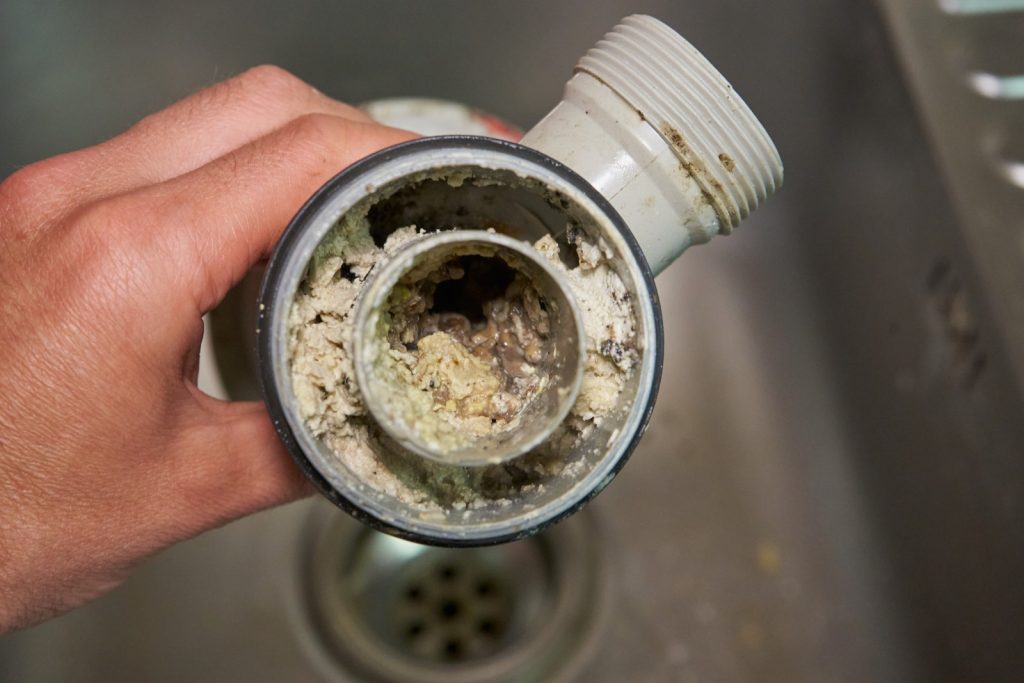
Industrial and commercial facilities deal with far heavier drainage demands than most people realise. Large volumes of water, waste, grease, and sediment move through underground systems every day. Over time, this pressure begins to affect pipe performance, especially across older sites or facilities operating around the clock.
This is where industrial drain cleaning becomes essential for keeping operations stable and reducing unexpected disruptions. Many sites across Western Victoria face drainage pressure during heavy rainfall periods, major construction activity, or peak production seasons.
Industrial facilities across Ballarat, Geelong, and regional Western Victoria often experience additional drainage pressure during heavy seasonal rainfall and large-scale construction activity.
Some of the most common drainage issues include:
- Sediment build-up from excavation and construction work
- Grease accumulation inside processing facilities
- Tree root intrusion is damaging underground pipes
- Overflowing stormwater systems during heavy rain
- Corrosion inside ageing drainage infrastructure
- Hardened waste residue is restricting water flow
These problems rarely stay small for long. A blocked drain near an active worksite can affect vehicle access, create safety hazards, or interrupt production schedules. Many businesses now schedule routine inspections because preventative maintenance is usually far less disruptive than emergency repairs.
Blocked Industrial Drains Warning Signs
Industrial drainage systems usually show small warning signs before a major failure occurs. The challenge is that these early signs are often ignored because operations still appear manageable at first. Over time, however, minor drainage issues can turn into expensive infrastructure problems.
Recognising the early symptoms of blocked industrial drains gives businesses the chance to respond before productivity suffers. Early industrial drain cleaning support can also help prevent long-term underground damage.
| Warning Sign | Possible Cause | Operational Risk |
| Slow drainage | Sediment or debris build-up | Water pooling near work zones |
| Strong odours | Organic waste accumulation | Unsafe working conditions |
| Gurgling pipe sounds | Restricted airflow in drains | Increased blockage pressure |
| Overflow near grates | Stormwater obstruction | Flooding during rainfall |
| Recurring backups | Damaged underground pipework | Expensive emergency repairs |
| Wet patches around site | Underground pipe leakage | Soil instability and hazards |
Facilities handling liquid waste or operating heavy machinery should monitor drainage performance closely. Even a small blockage can place extra pressure on underground pipes and eventually lead to cracking or system failure. Regular industrial drain cleaning helps businesses identify these issues early and maintain safer underground infrastructure.
Modern inspection technology now allows contractors to identify hidden drainage problems without large excavation work. This helps businesses respond earlier while keeping disruption to a minimum.
Industrial Drain Services That Matter
Drainage maintenance has changed a lot during recent years. Older methods often focused on temporary fixes, but today’s industrial sites require faster, cleaner, and more reliable solutions.
Professional industrial drain services now combine preventative maintenance with advanced diagnostic equipment and specialised cleaning methods.
Modern industrial drain cleaning involves much more than removing a blockage from one section of pipe. Many facilities across Western Victoria now rely on complete drainage management strategies to protect underground infrastructure and reduce operational downtime.
Effective drainage maintenance often includes:
- CCTV drain inspections for underground diagnostics
- Hydro excavation around sensitive underground assets
- Liquid waste removal and disposal management
- Pipeline flushing for heavy sediment build-up
- Preventative maintenance scheduling
- Emergency drainage response during flooding events
Industrial worksites also require contractors who understand environmental obligations and site safety procedures. This is especially important across civil construction projects and manufacturing facilities where underground systems operate under constant pressure.
Proper drainage and liquid waste management also help industrial sites maintain compliance with Victorian environmental and stormwater management requirements.
Western Victoria’s changing weather conditions can also place additional strain on drainage infrastructure. Scheduled servicing helps businesses avoid major disruptions while improving the lifespan of underground systems.
High Pressure Drain Cleaning Benefits
Industrial drains collect far more than wastewater. Over time, sludge, hardened grease, sediment, and construction debris begin sticking to internal pipe surfaces. Standard clearing methods often remove only part of the blockage, allowing the problem to return not long afterwards.
This is why high pressure drain cleaning has become one of the most effective solutions for industrial facilities and civil worksites. Combined with professional industrial drain cleaning, high-pressure water jetting clears stubborn build-up while cleaning the inside of the pipe at the same time.
For busy industrial operators, this approach offers several practical advantages. Drainage systems return to proper flow faster, recurring blockages become less common, and maintenance work can often be completed with minimal disruption to daily operations.
The process is also widely used before CCTV inspections because cleaner pipelines provide clearer imaging results. This allows contractors to identify cracks, corrosion, or structural weaknesses before they become larger infrastructure problems.
Across Western Victoria, high-pressure cleaning has become increasingly important for sites managing liquid waste, stormwater systems, and heavy operational runoff.
Why Industrial Pipe Cleaning Matters
Many industrial businesses naturally focus on visible infrastructure such as machinery, loading equipment, and production systems. Underground drainage networks, however, are often overlooked until something stops working properly. Unfortunately, by that stage, repairs are usually more expensive and disruptive.
Professional industrial pipe cleaning improves water flow, reduces internal pressure, and helps underground systems operate more efficiently. Regular industrial drain cleaning also lowers the risk of long-term pipe damage across demanding industrial environments.
Different industries create different drainage challenges. Manufacturing facilities may deal with chemical residue, while civil construction projects often produce sediment-heavy runoff. Food processing sites commonly experience grease accumulation inside underground systems.
Preventative maintenance helps businesses manage these issues before operations are affected. Facilities investing in regular servicing often experience fewer emergency shutdowns, lower repair costs, and stronger compliance with environmental standards.
Many industrial sites across Western Victoria operate continuously for long periods, which means underground systems rarely get a break. Without routine cleaning, residue slowly hardens inside pipelines and becomes increasingly difficult to remove later.
Choosing Industrial Plumbing Services Carefully
Not every contractor is prepared for the demands of large industrial drainage environments. Industrial facilities require experienced teams capable of managing underground systems safely while working around active operations and strict project timelines.
Reliable industrial plumbing services should provide more than emergency repairs. Experienced providers understand how industrial drain cleaning supports long-term operational reliability and infrastructure protection.
Businesses should also consider whether a contractor has experience across civil projects, manufacturing facilities, and large commercial sites. Access to hydro excavation equipment, liquid waste management capability, and emergency response support can make a major difference during complex projects.
Western Victoria presents additional challenges because heavy rainfall, ageing infrastructure, and soil movement all place extra pressure on underground drainage systems. Contractors familiar with regional conditions often deliver more practical and efficient long-term solutions.
Many businesses now prefer integrated service providers because drainage issues often overlap with excavation, underground asset protection, and waste management requirements at the same time.
industrial drain cleaning During Civil Projects
Civil construction projects place enormous pressure on underground drainage systems. Excavation activity, heavy equipment movement, and changing ground conditions all affect how drainage infrastructure performs throughout a project.
This makes industrial drain cleaning especially important during active civil works. Sediment-heavy runoff can quickly overwhelm stormwater systems if drains are not maintained properly. When blockages occur, construction schedules, site access, and workplace safety can all be affected.
Project managers across Western Victoria now treat drainage maintenance as part of everyday operational planning rather than waiting for problems to appear. This proactive approach helps projects stay on schedule while reducing environmental risks during wet weather conditions.
Hydro excavation has also improved how contractors work around underground assets. The process allows soil to be removed safely around buried utilities without damaging surrounding infrastructure.
Combined with professional drain cleaning, this creates safer and more controlled working conditions across complex civil projects.
Conclusion
Industrial drainage systems support nearly every major commercial and civil operation across Western Victoria. When those systems stop performing properly, businesses can face operational delays, safety concerns, environmental risks, and expensive infrastructure repairs.
Preventative maintenance and professional drainage management help industrial sites stay safer, cleaner, and more efficient throughout the year.
For reliable industrial drain cleaning, hydro excavation, and liquid waste solutions across Western Victoria, contact WIM VIC Services today and speak with a team experienced in supporting complex industrial and civil projects.
Frequently Asked Questions
1. What causes industrial drains to block frequently?
Industrial drains often block slowly over time rather than all at once. Grease, sediment, waste residue, and debris gradually build up inside the system, especially across busy worksites. Regular industrial drain cleaning helps businesses stay ahead of these issues before they interrupt daily operations.
2. How often should commercial drain cleaning be completed?
Most industrial sites benefit from professional drain cleaning every six to twelve months, although high-traffic facilities may need servicing more often. Routine industrial drain cleaning helps prevent unexpected shutdowns, unpleasant odours, and expensive emergency repairs during busy operational periods.
3. Is high pressure drain cleaning safe for older pipes?
Yes, high pressure cleaning is usually safe when handled by experienced professionals using the correct equipment. Many contractors inspect the pipeline first to assess its condition. Proper industrial drain cleaning removes stubborn build-up while helping older drainage systems continue operating more efficiently.
4. Why are blocked industrial drains considered a safety risk?
Blocked industrial drains can create flooding, slippery surfaces, and contaminated runoff around active worksites. Regular industrial drain cleaning helps businesses reduce these risks before they disrupt operations.
5. What industries usually require industrial pipe cleaning?
Manufacturing, logistics, food processing, mining, and civil construction sites often require regular pipe maintenance. Routine industrial drain cleaning helps these industries keep drainage systems operating efficiently.
6. What should businesses look for in industrial plumbing services?
Businesses should choose experienced contractors with modern equipment, emergency support, and strong regional knowledge. Professional industrial drain cleaning services also help reduce unexpected infrastructure problems.