Ever wondered what happens to the trash you throw out? In Western Victoria from rustic farmsteads to regional towns like Horsham and Ballarat keeping our environment clean is a big deal. We Aussies pride ourselves on wide open spaces and fresh air, so we tend to notice it if rubbish piles up.
It’s a dirty job (literally), but someone’s got to do it and that someone is often an environmental waste service provider. In this guide, you’ll discover how waste management works in Western Vic, why it matters, and what choices we have to stay eco-friendly while getting rid of waste.
Environmental waste services cover everything from waste collection services and kerbside bin collection to industrial hazardous disposal, helping businesses and households manage waste responsibly. They follow strict rules to protect land and water. For example, EPA-licensed providers must handle hazardous materials like chemicals or asbestos safely. By law in Victoria, only a licensed company can transport and dispose of regulated waste.
That means, whether it’s a grease trap in a cafe or a big truckload of contaminated soil, you need experts with the right credentials. And thanks to national policies aiming for a circular economy, we all play a part. The Australian Government’s National Waste Policy (2018) stresses avoiding waste, boosting recycling, and managing materials for health and environment. In other words, it’s not just about chucking rubbish in a hole, it’s about closing the loop on resources.
What Are Environmental Waste Services?
Imagine you run a café in Horsham. Every day your business generates grease, food scraps, cardboard boxes and maybe a bit of general rubbish. Those items need a proper home. Environmental waste services are the companies and systems that collect, treat, recycle or dispose of those materials so they don’t harm the environment. It’s not just about wheelie bins it’s about managing everything from household garbage to industrial chemicals.This includes waste collection services such as bin pickups and transfer stations, along with waste management services like recycling facilities, resource recovery centres, and landfill operators.
In Western Victoria, environmental waste management involves handling waste from farms, factories, shops, and households across a large regional area while ensuring environmental compliance and sustainability. Rural shires and towns often run transfer stations or landfills. For instance, Horsham Rural City Council manages several drop-off points and the Dooen Landfill for the region. Councils set rules and fees so that common items (general waste, green waste, steel, glass, etc.) can be discarded responsibly.
They also handle recycling (yellow lid bins) and organic waste (green bins). But not everything goes to the council. Commercial waste services step in for businesses by providing skip bins, compactors, recycling solutions, and regular waste collection services for rubbish and recyclables.
On a personal level, your everyday waste (newsprint, food scraps, plastic bottles) is part of the municipal solid waste stream. Local councils give households bins, run recycling programs, and even offer special collections for e-waste or hazardous items. For example, many councils allow free drop-off of batteries or free recycling of sorted glass and steel.
On the flip side, items like used motor oil or treated timber must go to designated facilities, because they could leach toxins otherwise. Environmental waste services tie it all together from the big-picture regulations down to the bin in your kitchen.
Household and Commercial Collection Services
So how does your rubbish actually get collected in Western Vic? On the household side, local councils usually handle kerbside bins and drop-off facilities. In rural areas around Horsham, for example, the council provides weekly or fortnightly bin collection schedules and runs transfer stations for locals to bring bulk rubbish. They also recycle special items for free sorted paper, glass, e-waste and so on.
If you live in a smaller town, you might drive to a nearby tip to dump green waste or old furniture. Got a mattress or bulky item? There are set fees at places like Dooen Landfill ($40–$50 for mattresses), or even free community clean-ups a few times a year.
Commercial properties and businesses often rely on commercial waste services from private contractors to manage higher waste volumes and specialised waste streams. A cafe or factory might pay for a skip bin or a larger council-commercial service. These businesses generate more waste or special types (like cooking oil or construction debris), so they can’t rely on the standard small-wheelie-bin pickup. Companies like Westonvic Waste in Horsham specialise in this area. Westonvic, a 30-year-old local business, rents out skips and wheelie bins (1.5m³ to 15m³ sizes) for commercial, industrial and household waste.
They even have an EPA license to carry “prescribed industrial waste” (e.g. asbestos or contaminated soil). That highlights a comprehensive network of waste collection services, including residential pickups by councils and commercial waste services such as skip bin hire and compactor solutions provided by specialist companies.
Today’s waste services also include source-separated collections. You might have multiple bins: one for general waste (red lid), recycling (yellow), and food/garden organics (green lid, FOGO). Some councils let businesses opt into extra bins, like Merri-bek allows cafes to join their organics program if they do a lot of food prep.
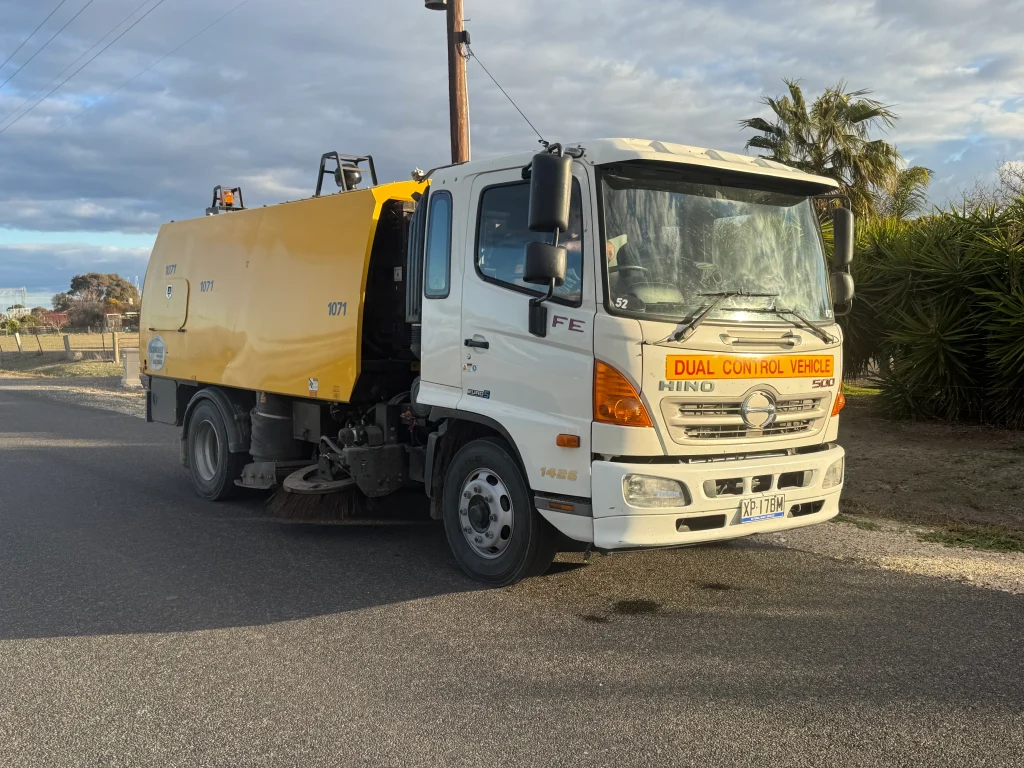
Meanwhile, commercial contractors pick up from restaurants and shops those bins, plus any extra bins they need. And importantly, a lot of the trucks you see on the road now are modern and environmentally-minded. For instance, fleet vehicles like WIMVIC’s STG vacuum truck (pictured below) use enclosed systems to prevent leaks and dust during waste transport, making collections cleaner and safer.
Western Vic’s waste services rely on modern fleets. WIMVIC’s EPA-licensed vacuum truck (above) hauls liquid waste and sludges safely to disposal facilities.
In short, whether it’s your kitchen bin, a shop’s dumpster, or a drilling site’s oily water, waste collection is handled systematically. You drop stuff in the right bin or bring it to a tip, and licensed companies cart it off. Households usually deal with their council. Businesses call in private operators. And everyone’s working under Victoria’s strict rules to make sure nothing toxic is dumped carelessly.
For example, sharps or medical waste from home dialysis patients in West Wimmera are even accommodated: the council offers an extra free bin and waives fees up to $400 a year for that waste. It’s a friendly, practical system and it shows how local councils and companies customize services for community needs.
Commercial and Industrial Waste Services
If your business or farm produces large volumes of waste, you’ll likely require specialised commercial waste services beyond standard council bin collections. That’s where commercial waste services come in. Think of restaurants needing grease trap cleaning, factories clearing out chemicals, or mines disposing of drilling mud. These operations often require specialised handling.
For example, grease trap or septic tank waste is liquid waste, so companies like WIMVIC or Cleanaway will send a vacuum truck. Liquid waste services are EPA-licensed to pump out and treat these fluids without polluting. In fact, WIMVIC highlights that they “provide end-to-end waste management” for industrial and commercial liquid waste. That means from the site pump-out, to transport in a sealed tanker, to final disposal or treatment at an approved plant it’s all managed.
Similarly, industrial waste disposal may involve contaminated soils, solvents, hazardous chemicals, or manufacturing by-products that require specialised handling and treatment. Handling these is no joke. Because of the risk, businesses must comply with prescribed industrial waste regulations. In practice, firms often engage specialised contractors.
WIMVIC, for example, says its services “handle all categories of liquid waste” including industrial chemicals. Competitors like Cleanway note that regulations in 2026 will demand strict classification and testing of such waste. They stress that companies must track and document everything who produced the waste, how it was tested, and where it goes.
When it comes to solid industrial waste (like metal cuttings, concrete rubble or contaminated building materials), there are skip bin services and approved landfills. Many local providers rent bins of various sizes. The waste is then taken to recycling facilities or fill sites. For instance, clean fill (like rocks or bricks) might go into rehabilitating old quarries, which is cheaper ($7.70 per tonne at Dooen Landfill).
But hazardous solids (like asbestos or chemically-tainted soil) must go to licensed landfills or treatment plants ($401 per tonne for Category C waste). Environmental waste companies coordinate this. They ensure such loads are transported in covered vehicles, with paperwork, to the right places.
Commercial waste also includes things like bulky retail refuse and organic scraps from food businesses. Firms often have tailored contracts. One business might have a standard recycling pickup, another might need daily garbage service. The local council sometimes helps with “commercial plus” plans that charge extra for big bins.
In short, if you run a business in Western Victoria, you’d typically arrange a waste plan with your council or an industry provider. They’ll combine the right waste management services like routine bin emptying, recycling pickups, grease trap pumping or even consulting on waste reduction. The goal of effective waste management services is to ensure waste is handled safely, recycled where possible, and managed in compliance with environmental regulations.
Choosing an EPA-Licensed Provider
With all these services around, how do you pick the right one? Whether you’re a homeowner with heaps of green waste or a company with chemical sludge, it pays to go licensed. Here are some key factors to consider:
EPA Licensing & Compliance: Only licensed providers handle regulated waste. They guarantee that your waste is classified and disposed of according to law. For example, a licensed company like WIMVIC operates under strict conditions so your liquid waste isn’t dumped improperly.
Range of Services: Check what types of waste they cover. Some companies only do bin hires; others (like WIMVIC or Cleanway) offer liquid waste, dry waste, and even hydro excavation. The broader their portfolio, the less you have to juggle multiple contractors.
Equipment & Technology: Modern fleets make a difference. Vacuum tankers, high-pressure cleaners, and well-maintained compactor trucks mean jobs get done faster and cleaner. Providers often highlight their tech: WIMVIC boasts a 6,000L global vacuum truck with advanced filtration, for instance.
Local Knowledge & Reach: A local Western Vic company knows the area’s needs. They’re familiar with regional landfills and have relationships with local councils. That translates to quicker response times (even emergency spill cleanup) across Western Victoria.
Insurance & Safety: Good operators carry full liability and environmental insurance. This protects you in case something goes wrong on site. WIMVIC, for example, specifically mentions its comprehensive environmental coverage.
After ensuring these bases are covered, compare quotes and customer reviews. You want clear, written documentation of what they’ll do and at what cost. A trustworthy service will outline how they’ll transport and dispose of your waste, and will keep records (called “waste dockets”) as proof. At WIMVIC, we’ve found that clients appreciate transparency and no hidden fees.
For example, we provide a detailed waste report after jobs so you can see exactly where your waste went and how it was processed.
Ultimately, a trusted environmental waste management partner should simplify waste handling while delivering reliable waste management services tailored to your needs. They should act like a professional ally. And yes good companies often add a personal touch. They might give tips on reducing waste at the source, or coordinate with recycling firms to divert more from landfill.
Always ask any provider how they handle recycling and recovery. The best ones don’t just bury your trash in a hole; they aim to recycle or convert it when possible. That kind of service is a hallmark of industry leaders, and it’s something a young professional like you should look for not just price but responsible, compliant service.
Sustainable Practices and Local Innovations
Sustainability is the focus of the future of Western Victoria’s waste system. This translates to real world practice as reducing waste in the first place and making value out of what remains. In the big game, Recycling Victoria, the state’s waste agency, is advocating new initiatives, including a drink bottle and can container deposit scheme, increased resource recovery centres and even waste-to-energy initiatives. So, you are connecting with a broader circular economy when you select your provider and disposal.
Consider this local innovation: Sustainable Plastics Solutions near Hamilton. They tackle one of agriculture’s big trash items: silage wrap and bale twine. Each year this company recycles about 8,000 tonnes of farm plastics, turning old wraps into new plastic resin. It’s a brilliant regional solution: instead of burning or burying those toxic plastics, they’re remade into products again. And this is just one example of “closing the loop” here in Western Victoria. Other enterprises are composting food scraps from wineries, or turning wasted cooking oil into biofuel.
You, as a consumer or business, can also be part of this. Ask if your waste service sends recyclables to certified processors and organics for composting. Many providers now offer FOGO services (food and garden waste) and even plastic sorting. If you’re tech-savvy, note that most landfill operators must now report data publicly. For instance, you can find how much waste is diverted or the waste composition by council. This transparency is new and forces everyone to improve recycling rates.
Lastly, remember that prevention is the best practice. Choose reusable packaging, reduce junk mail, and donate items before tossing them. Western Victorian communities often have swap meets and charity drives. Some councils even run repair cafés or have tool libraries to cut down on waste. When waste does happen, call the experts.
If it’s commercial or hazardous, dial up a licensed contractor. If it’s household bulk, check with the local transfer station schedule. By combining smart consumer choices with professional environmental waste services, waste collection services, and sustainable waste management services, we can keep Western Victoria clean and environmentally responsible for future generations.
Conclusion
In a nutshell, environmental waste services are the unsung heroes of Western Victoria’s clean-up crew. From your kitchen scraps to industrial sludge, environmental waste services cover the entire waste lifecycle through waste collection services, environmental waste management, industrial waste disposal, recycling, and resource recovery. Western Vic benefits from a mix of council-run collections for households and specialized private providers for businesses.
New policies like the National Waste Policy and Victoria’s circular economy plans mean we all share responsibility for minimizing rubbish and treating it as a resource. Key takeaways? Always use a licensed, insured operator (they ensure compliance and safety), check what waste streams they handle, and look for companies that care about recycling. Local examples like WIMVIC and Sustainable Plastics Solutions show the innovation happening right here: vacuum trucks sucking up waste water, and recycled paddock plastics turning into new products. The ultimate goal is sustainability, keeping waste out of landfills whenever possible.
If you’re in Western Victoria and need professional Environmental Waste Services, don’t hesitate to reach out. Contact us at WIMVIC Services for expert advice, EPA-licensed waste removal, or any waste management solution you require. We can guide you through legal requirements and tailor a plan that suits your needs. Keeping Western Victoria clean and green is a team effort and we’re ready to pitch in with the right equipment and know-how. Call us today for a quote or just a friendly chat about how to manage your waste smarter. Let’s work together to make our region one of Australia’s cleanest and most sustainable, bin by bin.
FAQs
What exactly do environmental waste services include?
Environmental waste services involve the safe collection, transport, recycling, and disposal of waste. They also cover specialised services for hazardous and industrial waste to ensure environmental compliance and protection.
Why should I use an EPA-licensed provider for my waste?
EPA-licensed providers follow strict regulations for handling and disposing of waste safely. This helps protect the environment, ensures legal compliance, and gives you confidence that waste is managed responsibly.
What services does WIMVIC offer in Western Victoria?
WIMVIC provides comprehensive liquid waste management, septic tank cleaning, grease trap servicing, hydrovac excavation, chemical waste removal, and civil works throughout Western Victoria.
How do I dispose of industrial waste like contaminated soil or solvents?
Industrial waste must be collected and transported by a licensed contractor to an approved treatment or disposal facility. Proper classification and documentation ensure compliance with Victorian regulations.