WIMVIC

Author name: WIMVIC

Hydrovac Excavation
Blog

What Is Hydrovac Excavation and Why Is It Essential in Western Victoria?

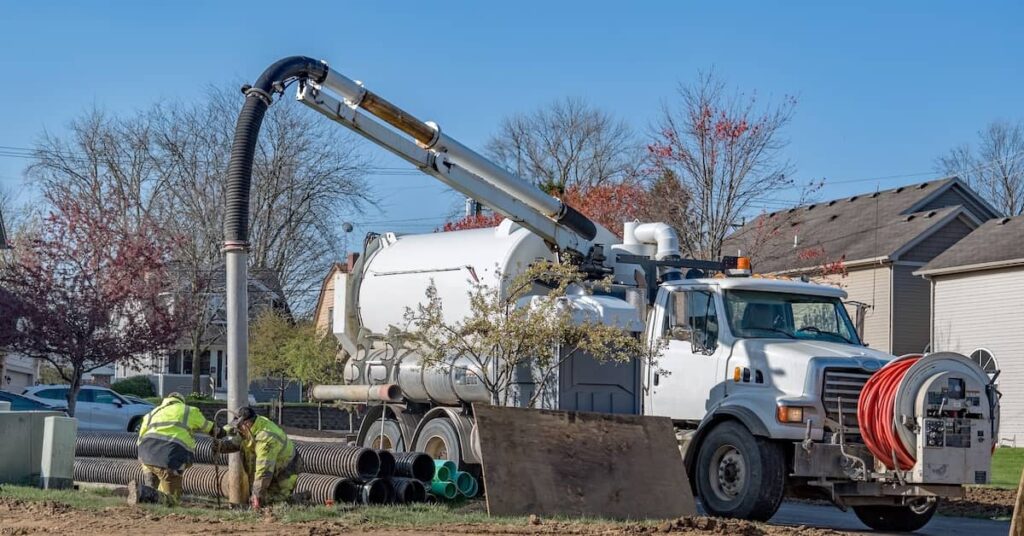
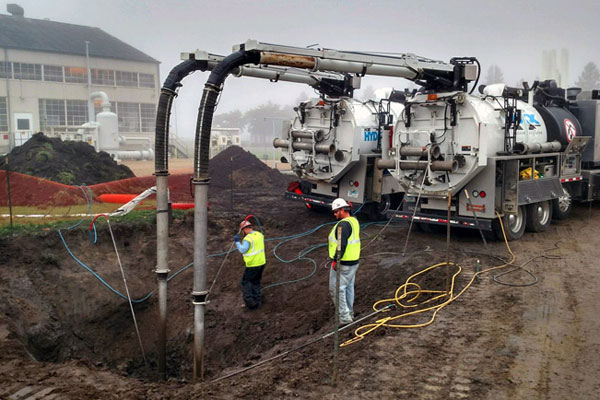
Hydrovac excavation in Western Victoria is nothing short of a game-changer. It’s faster, more precise and often safer than traditional digging – in fact, it’s described as a careful nudge to Mother Nature instead of a bulldozer’s shove. Imagine having to repair a buried water main or lay new fibre-optic cable in the countryside without ripping up the entire road. That’s where hydrovac (hydro excavation) comes in.  Think of it like a high-powered vacuum cleaner hooked to a water hose: it blasts away earth with pressurised water and immediately sucks up the mud into its tank, leaving the ground almost as neat as before. For perspective, it’s as if you were digging with a coffee straw instead of a backhoe – gentle, precise and surprisingly tidy. This high-tech method is catching on across Western Victoria (from Ballarat to Horsham) because it saves time, money and headaches. What Is Hydrovac Excavation? Put simply, hydrovac excavation (also called hydro excavation or vacuum excavation) is a non-destructive digging technique. A specialised hydrovac truck sprays high-pressure water into the ground to loosen soil while a powerful vacuum immediately removes the slurry into the truck’s debris tank. Because the soil is washed away rather than cut with sharp blades, crews can safely expose and uncover underground utilities – water pipes, gas lines, power cables, telecom fibres, sewer lines, and even tree roots – with surgical precision.  The process is surprisingly straightforward: the team first marks out the dig site and does a “Dial Before You Dig” check to locate utilities. Then one operator directs the water lance to break up the soil and another controls the vacuum hose to pull the slurry up. A savvy analogy often used is “hydrovac is like a juice-sucking straw for dirt” – it only takes what you target without disturbing the rest. This non-destructive approach means no surprise utility strikes and no need for guesswork: as the mud lifts away, you can literally see the buried cables or pipes come into view. How Does Hydrovac Excavation Work? In practice, a hydrovac truck on site is as simple as a plumber’s vacuum. It has a high-power water pump and a big holding tank. When the crew hits start, the hydro excavation process follows these steps: Because it uses water, hydrovac can dig right up to and around buried pipes and cables without damaging them. It literally gives crews a clear view of what’s underground – no blind digging. Often two people operate the truck together, controlling water and vacuum separately for maximum control. Even better, hydrovac trucks can often work from the street or yard’s edge, with booms and hoses reaching dozens of metres. This means if a dig site is fenced or a footpath is narrow, workers can still expose the utilities from outside the work area. Key Benefits of Hydrovac Excavation Hydrovac (hydro excavation) comes with a laundry list of advantages over shovels and backhoes. Here are the main perks: Feature Traditional Excavation Hydrovac Excavation Utility Risk High – digging blades can nick unseen cables/pipes Low – water pinpoints soil, avoiding cuts Worker Safety Moderate – crews near heavy machinery and spoil High – operators can stand back as water & vacuum do the work Precision Low – often digs large areas, imprecise High – targeted holes only where needed Environmental Impact Major – broad soil disturbance, erosion and waste Minimal – only local spoil, plants largely undisturbed Restoration Required Significant – roads/landscapes often need repair Minor – small hole to fill, surfaces quickly restored Hydrovac Excavation vs Traditional Digging Traditional excavation is often like using a bulldozer: it churns up large swathes of ground and risks hitting buried utilities. By contrast, hydrovac stays neat and tidy – “think of it as digging with a paintbrush instead of a bulldozer”. The table above highlights the key differences. In short, hydrovac is precision-based and much gentler on the site. It protects underground pipes and cables, keeps workers safer (no one needs to work under a swinging backhoe arm) and avoids the big mess a conventional digger makes. The payoff is a cleaner jobsite with fewer surprises and shorter cleanup. Applications in Western Victoria Across Western Victoria, hydrovac excavation has proven its worth on countless projects. Our region is crisscrossed by vital underground infrastructure – water mains to farms in Horsham, fibre-optic and power cables to towns like Ballarat and Hamilton, gas lines, and irrigation pipes under orchards. Hydrovac lets crews work on all of these without tearing up the neighbourhood. For example, a crew in Geelong (just outside our region) exposed a broken water valve using hydrovac “without shutting down the street for days”.  Even at local wind farms, technicians trenching power cables can dig with hydrovac and leave the countryside virtually unscarred. Council road crews and utility contractors in Ballarat, Warrnambool and beyond now often choose hydro excavation for roadworks, pipeline repairs and utility installs because it minimizes downtime and restoration. As one local specialist notes, whether you’re working in Ballarat or Warrnambool, using hydrovac “can save you time, money and a lot of hard work”.  In short, whether it’s exposing a fibre-optic cable under a main street or installing a new farm irrigation line, hydrovac is the go-to method across Western Victoria. Safety, Regulations and Best Practices Of course, any excavation – even hydrovac – starts with safety protocols. The most important rule in Australia is: always check before you dig. The national Before You Dig Australia (BYDA) referral service should be your first port of call for any excavation project. Submit your plan there, and they’ll notify utility owners and provide maps of buried assets.  This step is crucial to avoid accidental strikes. In Victoria, WorkSafe and Energy Safe also recommend establishing a “No Go Zone” – a safe buffer distance around any marked cables or pipes. Hydrovac fits this guideline perfectly, since you can operate the water lance from outside the danger zone. Additionally, local rules apply. In most Western Victorian councils, digging on

Road Sweeping
Blog

Why Road Sweeping Is Essential for Safe and Clean Roads in Western Victoria

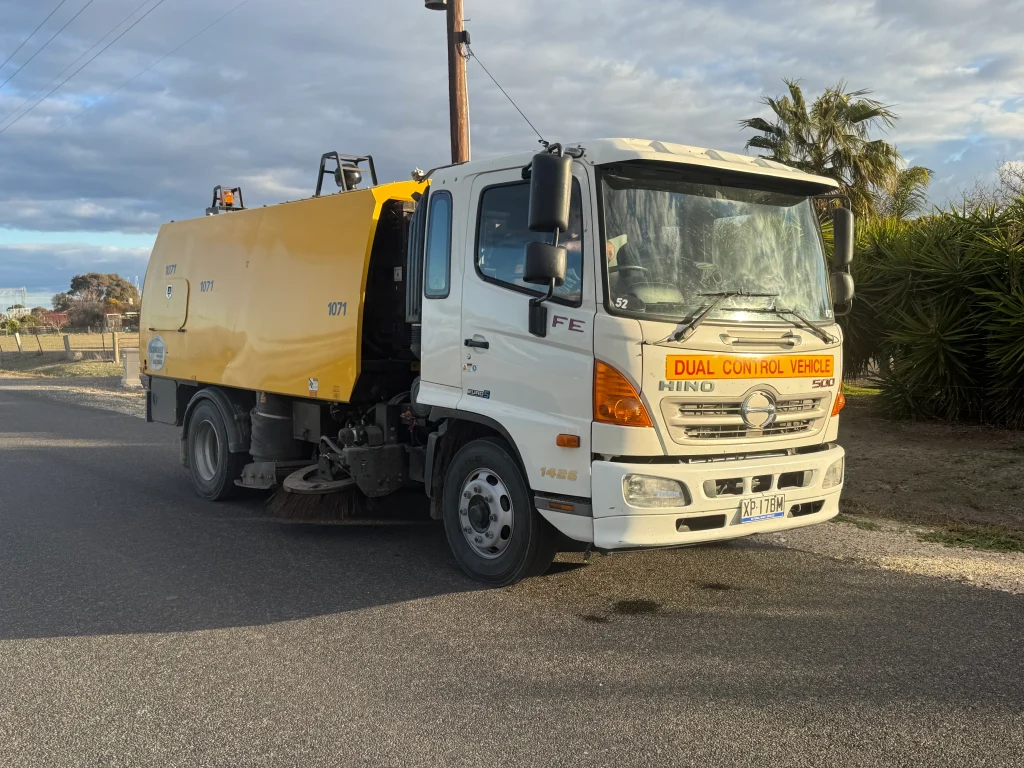
Picture yourself cruising down a country road at sunrise in Horsham or Ballarat – the air is crisp, but suddenly a cloud of dust billows up as a truck barrels by. In Western Victoria’s mix of dry plains and leafy streets, a layer of gravel, leaves or litter on the road can spell trouble. That’s where road sweeping steps in. It might sound mundane, but road sweeping is a vital part of keeping our local roads safe and clean. Clearing gutters, kerbs and pavements isn’t just about curb appeal; it prevents flooding after a rain, removes slippery hazards, and even keeps the air fresher. In fact, Victoria’s Department of Transport and Planning explicitly lists “cleaning gutters and removing litter” as routine road maintenance. In other words, sweepers are doing important safety work every time they roll through.   Western Victoria is vast – local councils here manage roughly 150,000 kilometres of roads. That’s most of our streets, from the little laneways in Ararat to the highways around Horsham. These roads collect mud, straw, and leaf litter from farms and streets alike. Without sweeping, drains clog, motorists skid on loose gravel, and dust fills the air. As one road-safety expert puts it, “Safe roads start with clean roads” – debris and dust on our streets can cause accidents and obscure road markings. By clearing debris before it piles up, sweepers help prevent punctures, skidding and even accidents for cyclists and cars. In short, a freshly swept road is one less hazard on your commute.    Street sweepers in action keep neighbourhood roads clear of dust, leaves and litter.   How Road Sweeping Improves Safety and Prevents Floods   Think of road sweeping as a frontline safety measure for our streets. Loose gravel, nails or broken glass on the road can puncture tires or send cars veering off course. Wet leaves and oil slicks can make surfaces as slippery as an ice rink. Regular sweeping removes these hazards before anyone gets hurt. It also helps paint stay visible: a clean road means lines and arrows remain clear for drivers and riders.   Another biggie is water. In Western Victoria, a summer downpour can suddenly turn a clogged gutter into a mini-flood. By whisking away leaves, twigs and litter, sweepers stop drains from backing up. In fact, every swept gutter is like an open valve for stormwater. When trash builds up, even a modest shower can flood roads and footpaths. So sweeping is essentially front-line stormwater management: clear drains mean water goes where it should, not on our windshields.   Sweeping also fights dust. In dry, windy seasons (common here), dust can spiral off dirt roads or paddocks and reduce visibility. Water trucks and vacuum-sweepers knock down dust at the source, keeping air cleaner. As one sweeping industry veteran notes, removing fine dust “keeps communities cleaner and more liveable”. Cleaner air means better health for everyone breathing in the Wimmera breeze.   Environmental and Community Benefits   Road sweeping isn’t just about preventing accidents – it’s about the whole environment. Debris on our streets doesn’t stay there. Every time it rains, mud and litter can wash into creeks, creeks into rivers, and rivers all the way to the bay. A swept street, by contrast, means fewer pollutants entering waterways. Many councils even schedule sweeps right before big rain seasons for this reason.   Keeping roads free from debris also helps reduce pollution entering local waterways and supports healthier urban environments. The Australian Government – Department of Climate Change, Energy, the Environment and Water provides information on protecting water quality, managing waste, and improving environmental outcomes through responsible land and infrastructure management. Regular road sweeping plays an important role in supporting these goals by preventing litter and sediment from being washed into drains and natural waterways.  Clean streets also improve public health. Piled-up organic waste – think leaf litter after autumn – can become a breeding ground for mosquitoes or fungi. By clearing it away, sweepers help curb pests and mold. Even roadside algae and weeds get less chance to trip up a cyclist or toddler. And on a lighter note: let’s be honest, nobody likes chomping dust on a summer picnic. Sweeping helps keep dust levels down, so that our little ones and pets can play safely at the park without a sandstorm.   Finally, there’s pride in appearance. Tidy, well-maintained roads make Western Victorian towns look cared-for. A nice-looking street even feels safer. But beyond looks, removing grit and sand prolongs the life of the pavement. Abrasive dust can literally grind down asphalt and tyres. By sweeping it away, councils save on potholes and repaving costs later on. Every dollar spent on sweeping is an investment in preventing bigger road repairs (and headaches) down the line.   Street Sweeping Services: What They Include   Most Western Victorian councils and contractors offer comprehensive street sweeping services. These usually cover: kerb and gutter cleaning, debris vacuuming, and even flushing to knock dirt free. Some key offerings are:   Residential Street Sweeping: Regular passes through neighbourhoods keep suburban streets clear of leaf litter and grit.   CBD and Commercial Sweeping: Busy shopping strips often need daily sweepers and litter pickers to maintain a clean, welcoming vibe.  Seasonal Leaf Removal: In autumn, extra crews might focus on sweeping gum leaves before they turn into slip hazards.   Stormwater Pit Cleaning: This goes hand-in-hand with sweeping. Specialized trucks can vacuum out drains and pits to keep water flowing.   Rapid Response Sweeps: After big storms, festivals or sporting events, extra sweepers can be called in to tackle the mess.   Many companies (like ours at WIMVIC Services) provide road cleaning services that scale to the client’s needs. For example, after roadworks or a parade, a contractor might send in a sweeper with water jets and vacuum nozzles to handle the extra muck. These modern machines can even recycle their wash water and use filtered air blasts to deep-clean surfaces. In practice, you’ll see street sweepers rolling through in the wee hours – the rhythm of a short course on one side, then the

Environmental Waste Services
Blog

The Complete Guide to Environmental Waste Services in Western Victoria

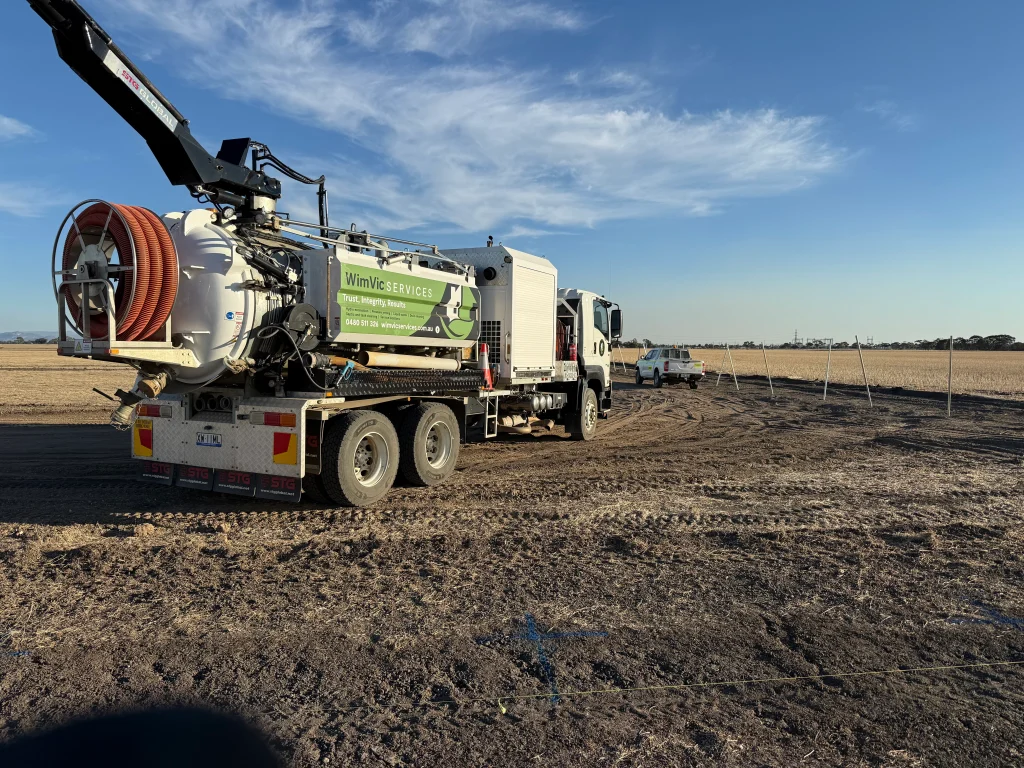
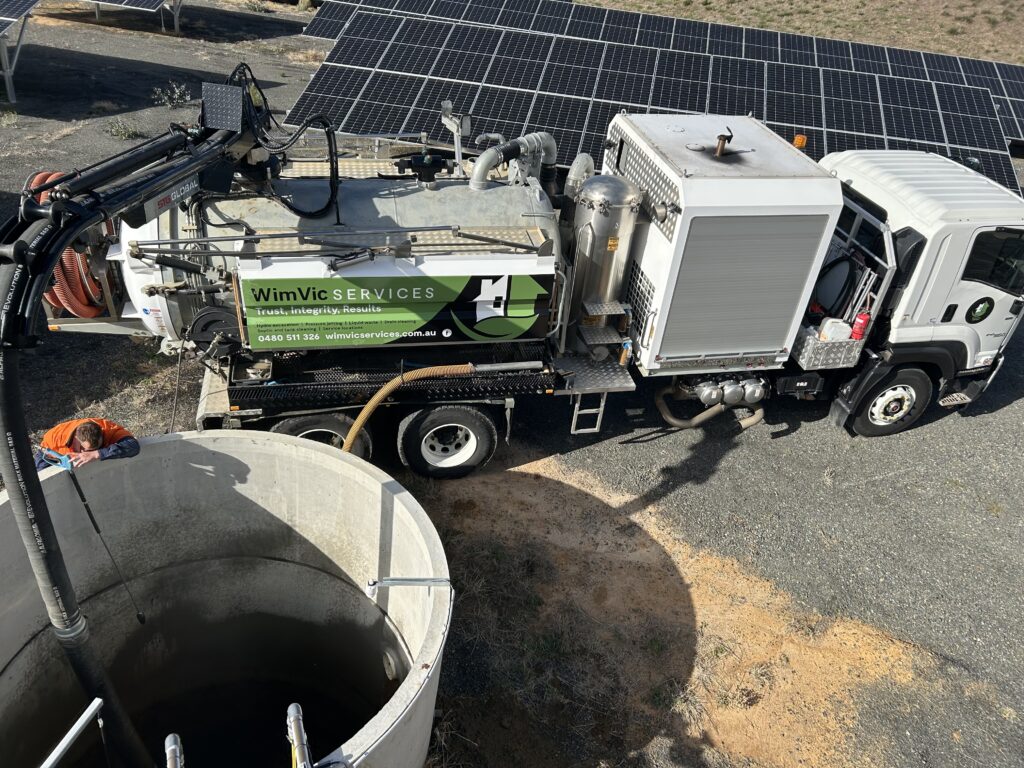
Ever wondered what happens to the trash you throw out? In Western Victoria – from rustic farmsteads to regional towns like Horsham and Ballarat – keeping our environment clean is a big deal. We Aussies pride ourselves on wide open spaces and fresh air, so we tend to notice it if rubbish piles up.  It’s a dirty job (literally), but someone’s got to do it – and that someone is often an environmental waste service provider. In this guide, you’ll discover how waste management works in Western Vic, why it matters, and what choices we have to stay eco-friendly while getting rid of waste. Environmental waste services cover everything from waste collection services and kerbside bin collection to industrial hazardous disposal, helping businesses and households manage waste responsibly. They follow strict rules to protect land and water. For example, EPA-licensed providers must handle hazardous materials like chemicals or asbestos safely. By law in Victoria, only a licensed company can transport and dispose of regulated waste.  That means, whether it’s a grease trap in a cafe or a big truckload of contaminated soil, you need experts with the right credentials. And thanks to national policies aiming for a circular economy, we all play a part. The Australian Government’s National Waste Policy (2018) stresses avoiding waste, boosting recycling, and managing materials for health and environment. In other words, it’s not just about chucking rubbish in a hole – it’s about closing the loop on resources. What Are Environmental Waste Services? Imagine you run a café in Horsham. Every day your business generates grease, food scraps, cardboard boxes and maybe a bit of general rubbish. Those items need a proper home. Environmental waste services are the companies and systems that collect, treat, recycle or dispose of those materials so they don’t harm the environment. It’s not just about wheelie bins – it’s about managing everything from household garbage to industrial chemicals.This includes waste collection services such as bin pickups and transfer stations, along with waste management services like recycling facilities, resource recovery centres, and landfill operators. In Western Victoria, environmental waste management involves handling waste from farms, factories, shops, and households across a large regional area while ensuring environmental compliance and sustainability. Rural shires and towns often run transfer stations or landfills. For instance, Horsham Rural City Council manages several drop-off points and the Dooen Landfill for the region. Councils set rules and fees so that common items (general waste, green waste, steel, glass, etc.) can be discarded responsibly.  They also handle recycling (yellow lid bins) and organic waste (green bins). But not everything goes to the council. Commercial waste services step in for businesses by providing skip bins, compactors, recycling solutions, and regular waste collection services for rubbish and recyclables. On a personal level, your everyday waste (newsprint, food scraps, plastic bottles) is part of the municipal solid waste stream. Local councils give households bins, run recycling programs, and even offer special collections for e-waste or hazardous items. For example, many councils allow free drop-off of batteries or free recycling of sorted glass and steel.  On the flip side, items like used motor oil or treated timber must go to designated facilities, because they could leach toxins otherwise. Environmental waste services tie it all together – from the big-picture regulations down to the bin in your kitchen. Household and Commercial Collection Services So how does your rubbish actually get collected in Western Vic? On the household side, local councils usually handle kerbside bins and drop-off facilities. In rural areas around Horsham, for example, the council provides weekly or fortnightly bin collection schedules and runs transfer stations for locals to bring bulk rubbish. They also recycle special items for free – sorted paper, glass, e-waste and so on.  If you live in a smaller town, you might drive to a nearby tip to dump green waste or old furniture. Got a mattress or bulky item? There are set fees at places like Dooen Landfill ($40–$50 for mattresses), or even free community clean-ups a few times a year. Commercial properties and businesses often rely on commercial waste services from private contractors to manage higher waste volumes and specialised waste streams. A cafe or factory might pay for a skip bin or a larger council-commercial service. These businesses generate more waste or special types (like cooking oil or construction debris), so they can’t rely on the standard small-wheelie-bin pickup. Companies like Westonvic Waste in Horsham specialise in this area. Westonvic, a 30-year-old local business, rents out skips and wheelie bins (1.5m³ to 15m³ sizes) for commercial, industrial and household waste.  They even have an EPA license to carry “prescribed industrial waste” (e.g. asbestos or contaminated soil). That highlights a comprehensive network of waste collection services, including residential pickups by councils and commercial waste services such as skip bin hire and compactor solutions provided by specialist companies. Today’s waste services also include source-separated collections. You might have multiple bins: one for general waste (red lid), recycling (yellow), and food/garden organics (green lid, FOGO). Some councils let businesses opt into extra bins, like Merri-bek allows cafes to join their organics program if they do a lot of food prep.  Meanwhile, commercial contractors pick up from restaurants and shops those bins, plus any extra bins they need. And importantly, a lot of the trucks you see on the road now are modern and environmentally-minded. For instance, fleet vehicles like WIMVIC’s STG vacuum truck (pictured below) use enclosed systems to prevent leaks and dust during waste transport, making collections cleaner and safer. Western Vic’s waste services rely on modern fleets. WIMVIC’s EPA-licensed vacuum truck (above) hauls liquid waste and sludges safely to disposal facilities. In short, whether it’s your kitchen bin, a shop’s dumpster, or a drilling site’s oily water, waste collection is handled systematically. You drop stuff in the right bin or bring it to a tip, and licensed companies cart it off. Households usually deal with their council. Businesses call in private operators. And everyone’s working

Scroll to Top