
Hydrovac excavation in Western Victoria is nothing short of a game-changer. It’s faster, more precise and often safer than traditional digging in fact, it’s described as a careful nudge to Mother Nature instead of a bulldozer’s shove. Imagine having to repair a buried water main or lay new fibre-optic cable in the countryside without ripping up the entire road. That’s where hydrovac (hydro excavation) comes in.
Think of it like a high-powered vacuum cleaner hooked to a water hose: it blasts away earth with pressurised water and immediately sucks up the mud into its tank, leaving the ground almost as neat as before. For perspective, it’s as if you were digging with a coffee straw instead of a backhoe, gentle, precise and surprisingly tidy. This high-tech method is catching on across Western Victoria (from Ballarat to Horsham) because it saves time, money and headaches.
What Is Hydrovac Excavation?
Put simply, hydrovac excavation (also called hydro excavation or vacuum excavation) is a non-destructive digging technique. A specialised hydrovac truck sprays high-pressure water into the ground to loosen soil while a powerful vacuum immediately removes the slurry into the truck’s debris tank. Because the soil is washed away rather than cut with sharp blades, crews can safely expose and uncover underground utilities, water pipes, gas lines, power cables, telecom fibres, sewer lines, and even tree roots with surgical precision.
The process is surprisingly straightforward: the team first marks out the dig site and does a “Dial Before You Dig” check to locate utilities. Then one operator directs the water lance to break up the soil and another controls the vacuum hose to pull the slurry up. A savvy analogy often used is “hydrovac is like a juice-sucking straw for dirt” it only takes what you target without disturbing the rest. This non-destructive approach means no surprise utility strikes and no need for guesswork: as the mud lifts away, you can literally see the buried cables or pipes come into view.
How Does Hydrovac Excavation Work?
In practice, a hydrovac truck on site is as simple as a plumber’s vacuum. It has a high-power water pump and a big holding tank. When the crew hits start, the hydro excavation process follows these steps:
- High-pressure water loosens and breaks apart the soil.
- A large vacuum hose immediately removes the soil-water mixture.
- The slurry is stored in the truck’s sealed debris tank (solids settle and water can be recycled).
- The crew continues until the target utility or trench is fully exposed.
Because it uses water, hydrovac can dig right up to and around buried pipes and cables without damaging them. It literally gives crews a clear view of what’s underground no blind digging. Often two people operate the truck together, controlling water and vacuum separately for maximum control. Even better, hydrovac trucks can often work from the street or yard’s edge, with booms and hoses reaching dozens of metres. This means if a dig site is fenced or a footpath is narrow, workers can still expose the utilities from outside the work area.
Key Benefits of Hydrovac Excavation
Hydrovac (hydro excavation) comes with a laundry list of advantages over shovels and backhoes. Here are the main perks:
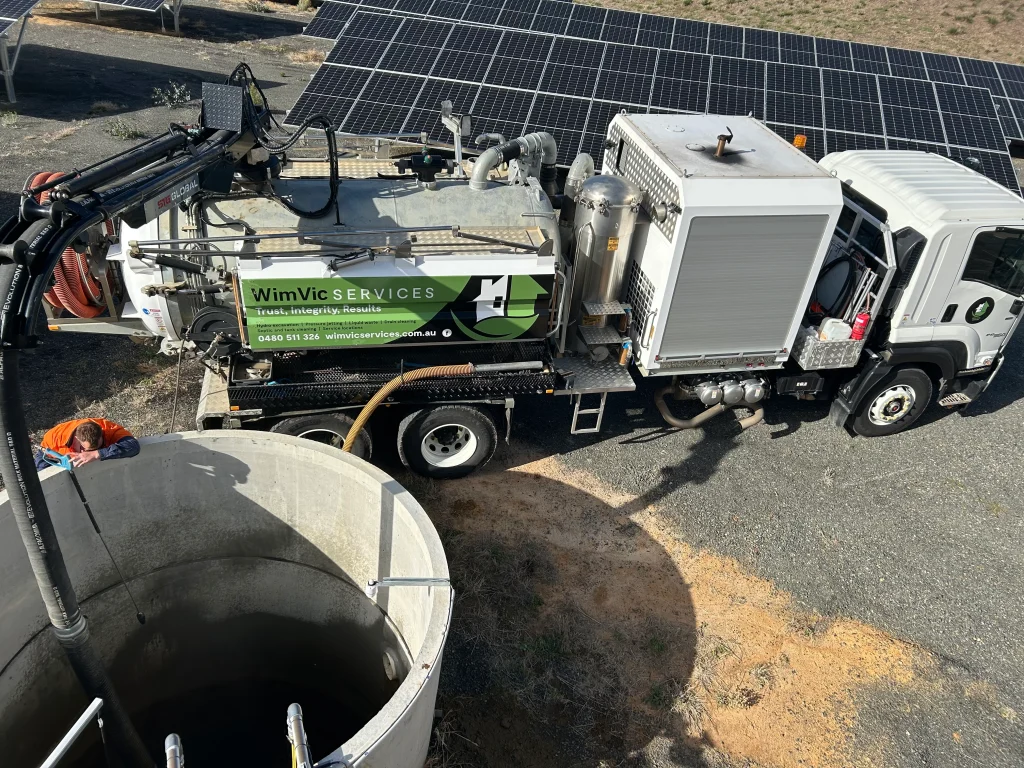
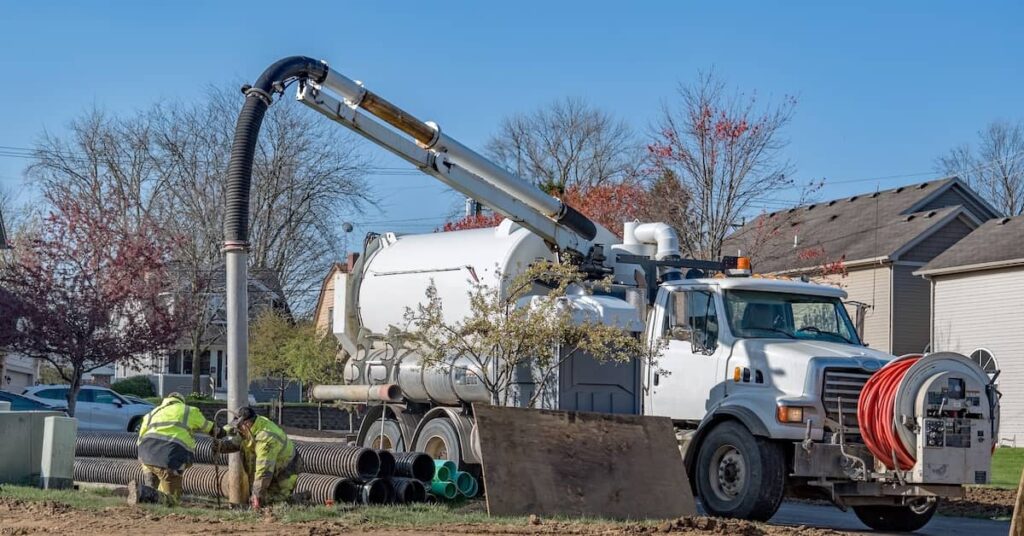
Greater Safety: Since the process uses a water jet instead of mechanical teeth, it “dramatically reduces the risk of utility strikes”. In plain English, that means far fewer accidents where a shovel or bucket accidentally nicks a gas line or fibre cable. Hydrovac exposes pipes and wires gently and accurately, keeping workers out of harm’s way. A recent report highlights that crews can uncover underground assets “gently and accurately” using hydrovac, so gas leaks, power outages or spills become much less likely.
Exceptional Precision: Hydrovac digs exactly where you need it and nowhere else. You don’t carve out a large hole and hope to find the pipe. Instead, the water jet pinpoints the excavation area, allowing crews to remove soil cupful by cupful until the utility is revealed. It’s the difference between trying to cut out a coffee-cup-sized hole with a bulldozer versus using a fine paintbrush. In fact, contractors say hydrovac often “stays neat and tidy, think of it as digging with a paintbrush instead of a bulldozer”. The result is exact exposure of the target lines with virtually no collateral damage.
Eco-Friendly Excavation: Water + air = green. Hydrovac only disturbs soil in the immediate dig zone and leaves the surrounding ground structure intact. This minimizes erosion, sediment runoff and damage to nearby plants or grass. No harsh chemical solvents are used, just water and vacuum. The leftover sludge is contained in the truck, so it can be disposed of responsibly (often under EPA waste rules) without harming the environment. Agencies note that by removing soil only where needed, hydrovac “protects the surrounding ground structure,” reducing impact on vegetation and groundwater. In short, it’s one of the greenest digging methods out there, which really matters in Western Victoria’s sensitive landscapes.
Speed and Efficiency: Time is money on a job site. Because hydrovac crews don’t have to dig wide trenches or spend ages cleaning up, many tasks finish much faster. Hydrovac trucks roll in ready to work (often skipping the need for heavy permits), so potholing or trenching that might take days with a backhoe can sometimes be done in hours. Cleanup is nearly instant too the machine vacuums the spoil as it goes. All this means projects stay on schedule. In fact, studies show projects using hydro excavation “experience improved efficiency” and face fewer delays than those using traditional digging. With fewer utility strikes to repair and less surface restoration needed, the overall job often wraps up sooner.
Cost Savings: It may sound surprising, but hydro excavation can save money. The big costs on digging projects usually come from accidents and repairs. If you hit a live cable or pipe with a mechanical digger, you could face thousands in emergency repairs, fines and downtime. Hydrovac cuts that risk dramatically. By preventing those strikes, it avoids unexpected costs. The efficiency and speed mentioned above also reduce labor time. In many cases, the reduced risk and quicker completion translate into lower total project cost. As one analysis notes, hydrovac jobs tend to finish within budget “compared to traditional methods”, making this “non-destructive” digging surprisingly budget-friendly.
Minimal Disruption: Because hydrovac creates only small, precise holes and immediately vacuums the spoil, there’s far less to restore afterward. Urban roads, footpaths or even home lawns can often be restored within hours. For example, exposing a suburban sewer line with hydrovac might only require a small patch-up instead of repaving the whole street. This means far less traffic disruption, fewer safety barricades and quicker reopening of sites. In Western Victoria’s towns and farms alike, that’s a huge bonus life goes on with minimal fuss once the hydrovac truck leaves.
| Feature | Traditional Excavation | Hydrovac Excavation |
| Utility Risk | High – digging blades can nick unseen cables/pipes | Low – water pinpoints soil, avoiding cuts |
| Worker Safety | Moderate – crews near heavy machinery and spoil | High – operators can stand back as water & vacuum do the work |
| Precision | Low – often digs large areas, imprecise | High – targeted holes only where needed |
| Environmental Impact | Major – broad soil disturbance, erosion and waste | Minimal – only local spoil, plants largely undisturbed |
| Restoration Required | Significant – roads/landscapes often need repair | Minor – small hole to fill, surfaces quickly restored |
Hydrovac Excavation vs Traditional Digging
Traditional excavation is often like using a bulldozer: it churns up large swathes of ground and risks hitting buried utilities. By contrast, hydrovac stays neat and tidy “think of it as digging with a paintbrush instead of a bulldozer”. The table above highlights the key differences. In short, hydrovac is precision-based and much gentler on the site. It protects underground pipes and cables, keeps workers safer (no one needs to work under a swinging backhoe arm) and avoids the big mess a conventional digger makes. The payoff is a cleaner jobsite with fewer surprises and shorter cleanup.
Applications in Western Victoria
Across Western Victoria, hydrovac excavation has proven its worth on countless projects. Our region is crisscrossed by vital underground infrastructure water mains to farms in Horsham, fibre-optic and power cables to towns like Ballarat and Hamilton, gas lines, and irrigation pipes under orchards. Hydrovac lets crews work on all of these without tearing up the neighbourhood. For example, a crew in Geelong (just outside our region) exposed a broken water valve using hydrovac “without shutting down the street for days”.
Even at local wind farms, technicians trenching power cables can dig with hydrovac and leave the countryside virtually unscarred. Council road crews and utility contractors in Ballarat, Warrnambool and beyond now often choose hydro excavation for roadworks, pipeline repairs and utility installs because it minimizes downtime and restoration. As one local specialist notes, whether you’re working in Ballarat or Warrnambool, using hydrovac “can save you time, money and a lot of hard work”.
In short, whether it’s exposing a fibre-optic cable under a main street or installing a new farm irrigation line, hydrovac is the go-to method across Western Victoria.
Safety, Regulations and Best Practices
Of course, any excavation, even hydrovac, starts with safety protocols. The most important rule in Australia is: always check before you dig. The national Before You Dig Australia (BYDA) referral service should be your first port of call for any excavation project. Submit your plan there, and they’ll notify utility owners and provide maps of buried assets.
This step is crucial to avoid accidental strikes. In Victoria, WorkSafe and Energy Safe also recommend establishing a “No Go Zone” , a safe buffer distance around any marked cables or pipes. Hydrovac fits this guideline perfectly, since you can operate the water lance from outside the danger zone.
Additionally, local rules apply. In most Western Victorian councils, digging on public land or near infrastructure requires approvals. For example, you’ll often need a permit (or at least notify the council) if your project involves roads or service easements. Always follow any EPA or council guidelines for disposing of the excavated slurry.
Fortunately, modern hydrovac trucks usually have settling tanks to filter out water, making waste disposal easier and compliant with environmental rules. When all these steps are followed BYDA checks, utility marking, WorkSafe distance rules and local permits, hydrovac excavation is a very safe, standards-compliant solution.
In summary, hydrovac excavation is more than a neat gadget, it’s an essential, safe and efficient digging method for Western Victoria. Its precision and low impact make it ideal for protecting our underground networks and green landscapes. Imagine needing a small hole to expose a pipe: with hydrovac you do it in minutes with almost no trace left behind, rather than tearing up the ground.
It’s practically a “juice-sucking straw” for soil, only it avoids the mess. And by using water and suction instead of shovels, hydrovac dramatically lowers the risk of utility strikes and avoids extensive restoration work. For anyone working on infrastructure projects here from local councils to private developers hydrovac offers faster projects and fewer headaches underground.
Ready to see hydrovac in action? Our team at WIMVIC Services offers specialized hydro excavation services and vacuum excavation solutions across Western Victoria. Whether you need precise underground utility locating, safe utility exposure services, or any other non-destructive digging project, we have the right gear and expertise. Let us help you save time, avoid surprises and get the job done right.
Contact WIMVIC Services today for a no-obligation consultation and discover the advantages of professional hydrovac excavation on your next project.
FAQs
What exactly is hydrovac excavation?
Hydrovac excavation is a non-destructive digging method that uses pressurized water to break up soil and a powerful vacuum to remove it. This process allows for precise excavation while minimizing damage to underground utilities and surrounding areas.
Why is hydrovac excavation considered safer than traditional digging?
Hydrovac excavation reduces the risk of damaging underground pipes, cables, and other utilities because it uses water instead of mechanical digging equipment. This safer approach helps prevent accidents, service disruptions, and costly repairs.
What are the main benefits of using hydrovac excavation?
Hydrovac excavation offers accurate digging, reduced site disruption, improved safety, and faster cleanup. It is also cost-effective because it minimizes the risk of utility strikes and project delays.
Is hydrovac excavation environmentally friendly?
Yes, hydrovac excavation is an environmentally friendly excavation method that uses only water and air. It minimizes soil disturbance, protects vegetation and tree roots, and helps reduce environmental impact on the worksite.
Do I need permission or special planning for hydrovac digging in Western Victoria?
Yes, excavation projects in Western Victoria typically require proper planning and utility checks before work begins. Contacting Before You Dig Australia (BYDA) and following local council and safety regulations can help ensure a safe and compliant excavation process.