Western Victoria’s beauty from Ballarat’s rolling plains to Geelong’s bustling suburbs depends on keeping our waterways clean and safe. Liquid waste management might not be glamorous, but think of it like a diligent local trade: often unnoticed until things go wrong.
Whether it’s after a flash flood, in the murky backflow from an industrial plant, or the simple rinse water from your kitchen sink, someone’s got to handle it. In this guide, I’ll walk you through what liquid waste management really means for our region, how it protects the environment, and why you (yes, you!) should care.
Liquid waste management covers everything from septic tank pumping and liquid waste collection to liquid waste treatment of factory effluent, ensuring safe handling for homes, businesses, and industries across Western Victoria. In Western Victoria, with its mix of farms, factories and households, managing this wastewater is crucial.
Proper disposal and recycling keep our rivers clean, prevent nasty health hazards, and even help us meet strict regulations. (Remember, the EPA emphasizes that septic systems treat and dispose of waste safely and misuse can “harm the environment and make people sick”.) Let’s dive into the basics, local rules, and practical steps to keep the region fresh and green.
What Is Liquid Waste Management?
Liquid waste management is all about how we collect, transport, treat, recycle, and dispose of contaminated water and wastewater. This includes dirty water from toilets, wash tanks, factory washdowns, chemical spills, and more. Unlike solid waste (rubbish), liquid waste flows and can spread contaminants widely if handled poorly. Think of it as the plumbing and cleaning side of waste management.
In everyday terms, “liquid waste” might mean anything from the greywater after a shower to acidic fluids from a car workshop. The key thing is it contains pollutants. Sewage is a type of liquid waste, but so is the sludge from a dairy farm pond or the run-off from a chemical plant. In Western Vic, common liquid waste sources include:
Domestic wastewater: Sewage and greywater from septic tanks and small-town sewerage systems.
Commercial liquids: Restaurant grease trap sludge, car wash oils, or brewery effluent.
Industrial wastewater: Chemicals, coolants and process water from factories or service stations.
Agricultural effluent: Dairy farm waste, piggery runoff, and irrigation drainage.
Hazardous liquids: Solvents, acids, fuels, or PFAS-laden fire-fighting foam.
Each type requires different handling, but the goal is the same: provide safe liquid waste disposal, promote liquid waste recycling where possible, and protect the environment through responsible treatment. Water authorities or licensed contractors use vacuum trucks, holding tanks, and treatment plants to deal with it all. Effective wastewater treatment and wastewater management ensure contaminated water is treated to environmental standards before it is safely released, reused, or recycled.
Why Liquid Waste Management Matters
Imagine you’re on a weekend farm stay outside Hamilton. The kids run outside and after a thunderstorm the usually pristine creek smells foul. Yuck, right? Chances are someone nearby let contaminated runoff reach the watercourse. Proper liquid waste management and professional liquid waste removal services prevent contamination, protect waterways, and ensure compliance with environmental regulations. It’s a public health and environmental shield:
Health and Safety: Untreated sewage or chemical spills can spread nasty pathogens and toxins. The EPA’s rules exist because letting raw waste seep into rivers or groundwater can make people and livestock sick. With correct treatment (even on-site systems), we stop germs and chemicals from riding our water cycle.
Environmental Protection: Western Victoria’s farms and wineries rely on clean water. Sediment, fertilisers or pollutants can devastate aquatic life and soil health. By treating wastewater using filtration, biological digestion or pond storage we prevent pollution. Recycling treated water on farms, for example, returns nutrients safely to the soil.
Regulatory Compliance: Legislation like the Environment Protection Act means “If you produce waste, you handle it properly.” Victorian guidelines explicitly say dairy farmers and others must contain and reuse effluent, and not let any of it leak into waterways. Businesses involved in industrial liquid waste management or commercial liquid waste management that fail to comply with disposal regulations can face significant penalties and environmental risks. Staying compliant means staying out of trouble.
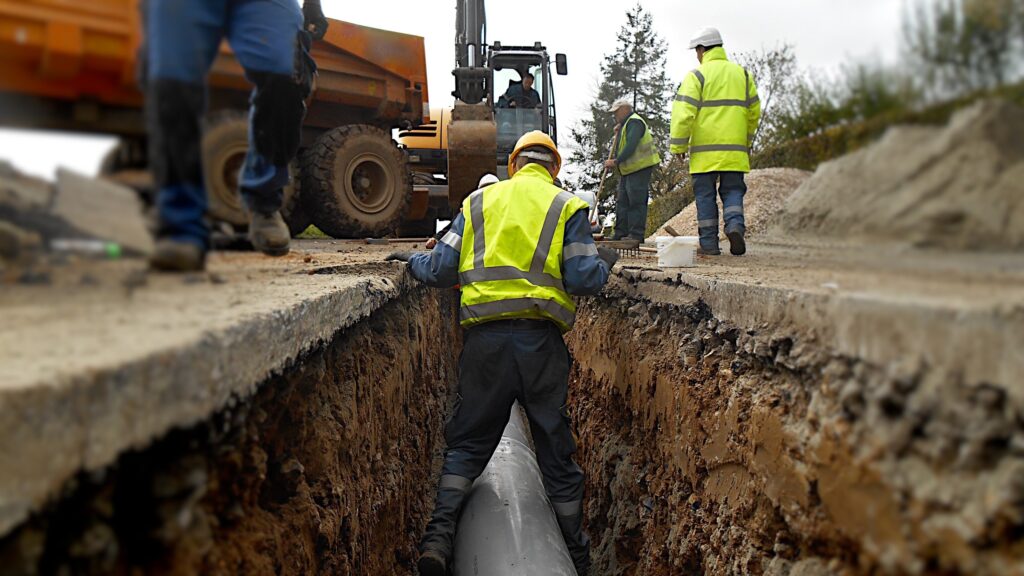
As a resident or business owner, you play a part. Ensuring septic tanks are pumped regularly (often every 3-5 years), grease traps are serviced, and hazardous spills are handled by experts is crucial. Professional liquid waste removal services support businesses, councils, and industrial facilities by providing compliant liquid waste collection, transport, and liquid waste disposal to licensed treatment facilities.
Regulatory Framework and Guidelines
Both federal and state bodies keep an eye on liquid waste. The Victorian EPA (Environment Protection Authority) sets the rules for classification and transport of industrial and other wastes. At the national level, the Department of Climate Change, Energy, the Environment and Water notes that each state’s governments manage waste through strict legislation and permits.
In our case, local councils, licensed contractors and treatment plants must all follow the “polluter pays” principle and the waste hierarchy (avoid, reuse, recycle, dispose).
Key regulations in Victoria include:
Environment Protection Act 2017: Establishes duties on businesses and individuals (General Environmental Duty) to prevent pollution, including from liquid wastes.
EPA Regulations (2021): Require waste carriers to hold permits for transporting liquid waste. Any driver or company transporting wastewater in VIC must have an EPA license. (No license? Big fines.)
SEPP (Waters of Victoria, Groundwaters of Victoria, Contaminated Land): Specific policies that forbid releasing effluent to creeks or overloading soils. For example, dairy waste must not leave farm boundaries or enter waterways.
On-Site Wastewater Guidelines: EPA’s Guidelines for Onsite Wastewater Management explain how septic and small-scale treatment systems should be designed and operated. These emphasize proper disposal because even backyard systems can pollute if built or used wrong.
The takeaway: any facility or household dealing with liquid waste has obligations. That’s why professional waste removal companies (like WIMVIC Services) are fully EPA-accredited, ensuring every drum and drop is documented and treated properly. In short, follow the guidelines, and your project or property will meet regulations without hefty penalties.
Common Types of Liquid Waste and Treatment
Liquid waste comes in many flavours, each with its own path to treatment. Here are the major categories found in Western Victoria:
Domestic (Septic/Sewage): Wastewater from homes toilets, sinks, laundry. Most rural homes use septic tanks, which need regular pumping and land irrigation of effluent. Towns feed into sewage plants (STPs) like Ballarat’s North plant. There, [18†embed_image] microorganisms break down organic matter in aerated tanks, cleaning the water before it’s released or recycled.
Commercial (Grease/Service Station): Grease traps capture cooking oil and fat; interceptors handle car wash runoff. Technicians vacuum out these sludges (usually monthly) and deliver them to grease-processing facilities. For example, restaurants flush their liquid fat trap waste offsite, while mechanical workshops have interceptors for oils and washwater.
Industrial Process Water: Factories that use coolants or wash chemicals generate wastewater containing metals or pollutants. Effective industrial liquid waste management includes on-site liquid waste treatment, safe storage, and compliant disposal practices. Pretreatment (pH adjustment, oil skimming) often happens on-site, then the discharge goes to a municipal STP or specialist plant. In Western Vic, industries range from timber mills to food processors; each must segregate hazardous liquids. EPA-permitted liquid waste transporters collect these in tanker trucks.
Agricultural Effluent: Dairy and meat farms produce nutrient-rich wastewater. Best practice (and law) is to store this in sealed ponds and spray it on paddocks as fertilizer. This reuses water and keeps nutrients local. Engineers design pipes and pumps to avoid clogging (after all, cow dung is part of the mix). If farm systems fail or overflow, licensed waste services pump them out and haul to processing facilities or safe land applications.
Hazardous Liquid Wastes: Think fuels, solvents, chemical sludges, and PFAS foam from airports. Hazardous liquid waste disposal must always be carried out by licensed professionals using approved treatment and transport methods. These require maximum care: separate collection by licensed firms and delivery to incinerators or secure landfills. For example, laboratory or medical facilities generate chemicals that only EPA-accredited agents (like Corio Waste) handle, tracking every liter for compliance.
Each waste type goes down a particular treatment path settling tanks, biological reactors, filtration, evaporation, or land irrigation. The common aim is the waste hierarchy: avoid generating pollution, then reuse/recycle what we can, and only dispose of the rest safely. Modern plants even reclaim byproducts: for instance, Ballarat’s upgraded plant turned 10.6 ML/day of sewage into high-quality water for lakes and farmland, and produced biosolids for compost.
Liquid Waste Removal Services in Western Victoria
If you run a business or manage a project in Western Victoria, choosing a provider with expertise in commercial liquid waste management, industrial liquid waste management, and liquid waste removal services is essential for compliance and operational efficiency. Companies like WIMVIC Services (that’s us!) and Corio Waste Management handle everything from routine pump-outs to emergency spills. Here’s what these liquid waste removal services do:
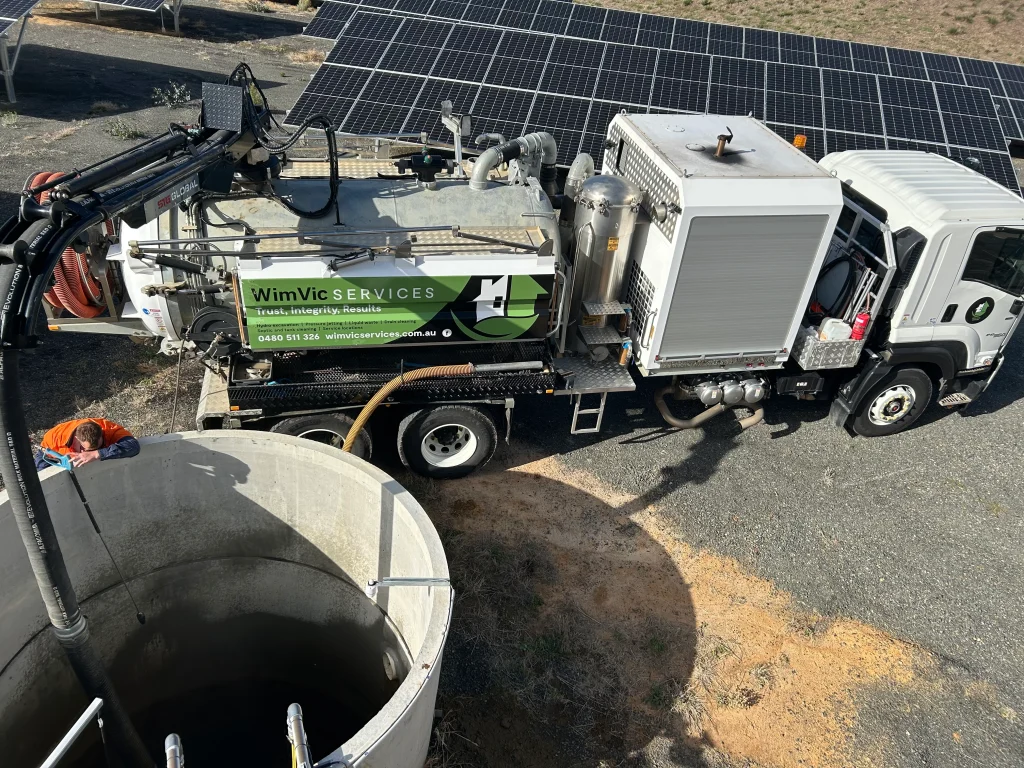
EPA-Licensed Fleet: We operate vacuum trucks and pumps (e.g., 6000L high-capacity vac-truck) designed for quick, safe recovery. These vehicles have filters and gauges to meet stringent standards.
24/7 Emergency Response: Accidents happen oil spills on farms or grease line blockages. On-call teams can dispatch a rapid-response unit anywhere in Western Victoria to contain the mess immediately.
Diverse Equipment: From massive vacuum trucks for large industrial tanks, to smaller pumps for tight underground pits. We also offer confined-space entry for tank cleaning, plus CCTV drain inspection to diagnose faults before they become disasters.
Licensed Disposal Network: Once we collect your waste, we don’t dump it anywhere. It’s taken to EPA-approved treatment facilities (oil recyclers, sewage plants, chemical treatment works) with full tracking paperwork. Every load gets a manifest, keeping you compliant.
Routine and Scheduled Services: Many businesses need regular servicing. Grease traps often need cleaning every 1–3 months; septic tanks every few years. We can set up a schedule so you never forget, which helps you “set and forget” from your side.
These services cover all liquid waste collection needs: septics, pits, tanks, stormwater, you name it. For example, Corio’s FAQs note they collect “septic waste, grease traps, interceptor pits, hydrocarbon waste, stormwater, industrial wastewater, leachate, and more”. As a client, just call or book online, and licensed experts handle the rest.
We even advise on compliance: a reliable transporter will check licensing, use lab analysis on any suspicious waste, and ensure you get receipts. In fact, EPA has fined companies thousands for not properly tracking liquid waste so having an accredited partner is a must.
Treatment and Disposal Methods
Once collected, liquid waste goes through various treatments. Here’s an overview:
Primary/Physical Treatment: Wastewater is first screened for large debris. Tanks let heavy solids settle (sludge) and oils float off. For example, [18†embed_image] shows the settling basins at a wastewater facility. The settled solids get dewatered (biosolids) and the clarified water moves on.
Biological Treatment: Microbes do the heavy lifting. Activated sludge systems or trickling filters consume organic pollutants. Aerobic bacteria in giant basins eat the waste, turning sewage into cleaner water. (This is what Ballarat’s plant upgraded with, enabling them to reuse treated water.)
Chemical Treatment: Industrial wastes might need chemicals to neutralize acidity or precipitate heavy metals. Common coagulants or chlorine can disinfect and remove tough contaminants before discharge.
Disinfection: Often the final step is UV light or chlorination to kill pathogens, especially if water is reused (e.g. farm irrigation or discharge to streams).
Waste-to-Energy (optional): Some systems capture biogas (methane) from sludge digestion, turning waste into electricity or heat, a great example of resource recovery.
Land Application: Suitable treated wastewater (Class A+) can be sprayed on farmland or injected into aquifers. For hazardous liquids, disposal often means high-security landfill or incineration (never straight into stormwater!).
In Victoria, you can’t just dump untreated liquid waste on the ground. The EPA requires every dump to meet standards. As one guideline points out, onsite systems must ensure effluent does not pollute waterways. So treatment stages have monitoring. For instance, disinfected effluent’s E. coli count must be extremely low before being reused on parks or crops.
Table: Liquid Waste by Origin and Treatment
| Waste Source | Examples | Treatment/Disposal |
| Domestic | Septic tank sewage, greywater from homes | Pump-outs to STPs; on-site leach/drip irrigation; domestic sewage plant treatment |
| Commercial | Restaurant grease, car wash oils, wash pits | Grease trap cleaning; oil-water separators; commercial sewage plant inflow |
| Industrial | Factory coolant, brewery effluent, chemical wash | On-site pretreatment; municipal WWTP or licensed industrial plant; neutralization |
| Agricultural | Dairy effluent, piggery waste, irrigation runoff | Stored in ponds; irrigation disposal on fields (nutrient reuse); occasional off-farm removal if overloaded |
| Hazardous | Solvents, fuels, heavy metal sludge | EPA-licensed collection; transport to specialist hazardous waste facility; incineration or secure landfill |
Each column above reflects how different liquid wastes are typically managed. Notice the emphasis on containment, followed by proper processing in other words, the waste hierarchy in action.
Liquid Waste Recycling and Sustainability
Liquid waste isn’t always “waste” through modern liquid waste recycling and advanced wastewater treatment processes, valuable water, nutrients, and energy can often be recovered for beneficial reuse. Here’s how our region makes the most of it:
Water Reuse: Treated effluent (aka recycled water) is now common. Central Highlands Water, serving Ballarat, expanded its Ballarat North plant to produce 5 ML/day of Class A recycled water, which is used on local farms, parks, and even to top up Lake Wendouree. This cuts demand on drinking water.
Nutrient Recycling: Biosolids (from sewage sludge) often meet strict EPA standards to be used as fertilizer or compost. The Ballarat plant’s thermal dryers turned sludge into >90% dry granules suitable for blending with green waste. Farmers can use this safely, returning organic matter to the soil.
Energy Recovery: Many modern plants capture methane from anaerobic digestion to power the facility or export electricity. In Western Victoria, some farm anaerobic digesters turn manure and effluent into biogas, cutting greenhouse emissions.
Greywater Reuse: Homes and businesses are installing greywater systems (treating shower/sink water). Under regulations, treated greywater can irrigate gardens, reducing mains water use and cutting waste.
Commercial Oil Recycling: Waste oils (from kitchens or workshops) are collected and refined. For instance, waste cooking oil can become biodiesel. Vehicle oils are re-refined.
By embracing recycling, Western Vic communities reduce pollution and water stress. Farmers benefit too: using their own effluent on pastures cuts fertiliser bills. As the EPA notes, moving towards a circular economy is the goal turning our waste challenges into green opportunities.
Choosing the Right Liquid Waste Partner
Not all waste handlers are equal. When you need liquid waste removal services in Western Victoria, look for:
EPA Accreditation: Always choose EPA-licensed contractors. This ensures legal compliance. At WIMVIC, for instance, our license covers a full range of waste categories (industrial chemicals, septic waste, etc.).
Experience: Seasoned companies understand local needs. We’ve been at this for 15+ years, knowing every kind of Vic liquid waste stream.
Modern Fleet and Equipment: Make sure they have proper vac-trucks and safety gear. Advanced filtration and pump systems mean faster, cleaner jobs.
24/7 Support: Emergencies can happen anytime. We deploy crews around the clock for spills and blockages.
Clear Pricing (No Fixed Pricing): You shouldn’t get “sticker shock” out of nowhere. We quote based on what’s hauled and treated, with no hidden fees.
Service Range: Ideally, your partner should cover your area (WIMVIC serves up to 300 km from Horsham, spanning the Grampians to the SA border). They should also be able to advise on proper disposal points (like which EPA-approved facility takes your type of waste).
A tip from the field: check for written manifests and reports after collection. A professional outfit will give you paperwork detailing volumes and disposal sites (e.g., which licensed tip or treatment plant was used). That way, you can prove compliance if ever audited. Better safe than sorry it’s a legal requirement, not a suggestion.
Here’s a quick list of common waste services to watch for:
- Septic tank and holding tank pump-outs
- Grease trap & interceptor cleaning (restaurants, car washes)
- Chemical and hazardous liquids collection (fuels, solvents)
- Drain and pipeline cleaning (hydro-excavation, CCTV inspection)
- Emergency spill response (oil, contaminant leaks)
Having these in your toolkit means tackling most liquid waste challenges. And remember, every operation from a local cafe to a large industrial plant benefits from a proactive waste management plan. It’s like preventative maintenance for the environment.
Summary and Key Takeaways
Liquid waste management is a big deal in Western Victoria. We’ve covered a lot, but here are the major points to remember:
Liquid waste = polluted water. It ranges from septic wastewater to industrial effluent. Treat it right to protect public health and the environment.
Strict regulations exist. The EPA and Victorian laws make clear that sewage and industrial liquids must be processed or disposed of safely. Non-compliance carries fines.
Multiple treatment paths. Depending on the waste, processes include screening, biological breakdown, chemical neutralization, disinfection, and beneficial reuse (like irrigation or recycled water).
Local infrastructure matters. Ballarat’s modern plant, for example, treats millions of liters a day and even recycles water back to the community.
Professional help is available. Companies like WIMVIC Services provide 24/7 licensed waste removal using vacuum trucks, pumps and expert crews to ensure compliance and safety.
Recycling is a goal. Effluent and sludge aren’t trash, they’re resources. Using treated water on farms, and converting sludge to compost or energy, are winning practices for sustainability.
In short, by understanding liquid waste disposal and treatment, businesses and landowners can run smoother, avoid fines, and help keep Western Vic green and thriving.
Looking ahead, Western Victoria is embracing innovation. From advanced onsite treatment systems to wastewater-to-energy projects, the trend is clear: treat waste not just as “yuck” but as “something to clean and reuse.” By following best practices and tapping expert services, we all make our communities safer and more environmentally friendly.
Conclusion
To wrap up, liquid waste management in Western Victoria is all about responsibility and smart solutions. We’ve learned that everything from your house septic tank to a factory’s outflow needs care. Following guidelines and using licensed waste removal keeps our water clean and communities healthy. Key takeaways: always use accredited services, stay on top of regular tank pump-outs, and think of waste as a resource to be recycled whenever possible.
In short, proper management works. It prevents nasty spills, saves water, and often even cuts costs (hello, fertiliser savings!). So remember, whether you’re a homeowner, a business owner, or a local council, attention to liquid waste is part of being a good environmental citizen in Western Victoria.
Feeling overwhelmed? Don’t be. WIMVIC Services is here to help every step of the way. We’re experts in liquid waste removal services, fully EPA-licensed, and ready to tackle your toughest waste problem. If you have a spill, a full septic tank, or any dirty liquid that needs handling, just give us a call. Together we can keep Western Victoria green, clean, and compliant.
Ready to get started? Contact us today and let’s make your liquid waste headache disappear!
FAQs
What is liquid waste management?
Liquid waste management involves collecting, transporting, treating, and disposing of wastewater and contaminated liquids safely. It helps protect public health, waterways, and the environment from pollution.
How is liquid waste treated and disposed of?
Liquid waste is treated using processes such as filtration, biological treatment, settling, and disinfection. Once treated to meet environmental standards, it can be safely discharged, recycled, or reused.
What services do liquid waste removal companies provide?
Liquid waste companies offer septic tank pump-outs, grease trap cleaning, wastewater collection, emergency spill response, and hazardous waste handling. They also transport waste to licensed treatment facilities.
What are the regulations for liquid waste in Victoria?
Victoria has strict environmental laws that prohibit the release of untreated liquid waste into land or waterways. Businesses and property owners must use EPA-approved disposal methods and licensed waste contractors.
Can liquid waste be recycled?
Yes, many forms of liquid waste can be recycled after treatment. Recycled water can be used for irrigation, while biosolids and waste oils can be repurposed for agriculture, composting, or renewable energy production.