
Imagine waking up after a wild Victorian storm to find your driveway turned into a shallow lake. That’s exactly why Stormwater Drain Cleaning is no “she’ll be right” task. In this blog we’ll dive into the ins and outs of stormwater drain cleaning from why Aussie homes and businesses need it, to how you can spot trouble early. You (and I) will get a grounded, no-nonsense look at why regular Stormwater drain maintenance of your Stormwater drainage system in Western Victoria is absolutely crucial to avoid floods, damage and fines.
Understanding Stormwater Drains
Think of stormwater drains as the unsung heroes of your property. They channel rainwater runoff from roofs, gutters, driveways and streets into underground pipes, and eventually into nearby creeks or the ocean. Unlike your sewer line (which takes toilet waste away), stormwater is never treated before it reaches waterways.
All the oils from car parks, soil from gardens and bits of litter get swept along with the rain. Poorly managed stormwater can lead to erosion, dirty local creeks or even toxic pulses in rivers. In other words, if your drain is blocked, all that muddy, polluted water has nowhere to go safely.
When heavy rains come, stormwater drains (like this concrete culvert) take a pounding. Regular Stormwater Drain Cleaning keeps them flowing.
In Western Victoria’s variable climate, hard rains aren’t just a Melbourne problem Ballarat, Geelong and coastal towns get big storms too. The steep hills and clay soils around Ballarat and Geelong can send fast runoff into streets. If drains are full of debris or tree roots, that water can’t escape. Melbourne Water sums it up: “when heavy rain exceeds the capacity of the drainage system, water can spill onto the streets”.
Why Regular Cleaning Matters
Investing in Stormwater Drain Cleaning is more than “just maintenance”, it’s insurance against headaches. When drains are left to clog up, several problems can snowball:
Flooding and damage: As noted, any big rain can overwhelm a blocked pipe, flooding yards and even streets. Houses at lower elevations may see basements or garages flood. Roads can wash out or potholes form. This isn’t just an inconvenience it costs councils and homeowners a packet in repairs. Melbourne Water estimated floods (in general) cost Victorians about $735 million per year. Regular Stormwater Drain Cleaning is the first line of defense.
Environmental harm: Every stormwater drain ties into creeks and eventually the sea. EPA Victoria has made it clear that “everyone must eliminate or reduce [the] risk of harm and prevent waste from entering stormwater drains”. If debris or oil gets into a drain, it can kill fish and weed waterways. For instance, sediment and lawn clippings running down a street drain end up clouding rivers downstream. So Stormwater drain maintenance is literally doing your bit for clean rivers and beaches.
Health and safety: Stagnant water from blocked drains can breed mosquitoes or emit nasty odours. Walking on flooded footpaths after rain is slippery and unsafe. Even gutters backing up can cause mold in walls. Regular cleaning means you avoid those smelly, slippery dangers.
Property value and compliance: Survey for buyers: a dry home sells better than a damp one. Also, councils like Ballarat Council remind us that property owners are legally responsible for on-site drains. Each home’s stormwater pipe must discharge to the legal point (often the nature strip). If a home’s drain is blocked or leaking, owners must fix it, it’s not on the council. So prevent surprises (and fines) by staying on top of it.
Warrnambool Council’s 2025 drainage report highlights just how vital this is. They found about 21% of their pipes were rated ‘Very Poor’ largely because of blockages from sediment and roots. These clogged pipes were already causing local floods. The fix? The council recommends scheduling clear-outs of sediment, root intrusion and other gunk to restore flow. In short: WIMVIC’s in-the-know regular cleaning increases your drain’s life and shrinks flood risk.
Regular Stormwater Drain Cleaning not only helps prevent blockages and flooding but also protects local waterways and supports environmental compliance. The Victorian Environment Protection Authority (EPA Victoria) encourages property owners and businesses to prevent pollutants from entering stormwater drains, as these systems flow directly into rivers, wetlands, and coastal environments without treatment. Following these best practices helps reduce environmental impacts and keeps your drainage system working efficiently.
Common Causes of Blockages
Regular cleaning first means knowing what clogs up drains in the first place. In Western Vic, the usual suspects are:
Leaves and garden debris: With so many gum trees and deciduous trees around Ballarat and the Western District, autumn sees gutters and pits brim with leaves. The next rain washes these down, creating a mulch that blocks pipes.
Sediment and dirt: Roads and construction sites throw loads of sand and dust onto drives. Heavy storms wash all that silt into the street drains, filling pipes like a slot machine.
Tree roots: Roots love finding cracks in pipes, especially old clay or concrete drains. Once inside, they grow and choke off flow. Ballarat Council notes “Tree roots are the most common cause of blockages” in public drains. It’s just as true in backyards.
Trash and litter: Even small rubbish toy parts, plastic bags, mop strings can form nets in the grate, catching debris behind them. One blocked grate quickly floods a whole street.
Oil, grease and organic matter: In industrial areas or busy streets, motor oils and grease can coat pipes. In residential areas, decomposing grass or food waste sent down drains can gum up pipes over time.
Can you smell trouble? A blocked stormwater drain often gives clues before a flood hits. Sluggish drainage (water pooling in pits), gurgling sounds from downpipes, or a funky rotten-egg smell near the drain all suggest trouble. Sometimes you might hear water trickling backwards in the downpipe during rain that means the exit is partially blocked. Spotting these warning signs early and calling WIMVIC for Emergency stormwater drain cleaning can save a lot of headache (and avoid those surprise puddles).
Signs of a blocked stormwater drain:
- Water pooling on your lawn, driveway or gutter system
- Slow drainage during or after rain (downpipes overflow)
- Unpleasant odours from street pits or yard drains
- Erosion or soggy patches around drainage pits or in the garden
- Strange gurgling noises in the pipes when it rains
If you see any of these, it’s time for Stormwater drain repair if needed. A bit of preventative maintenance now beats a flooded afternoon later.
DIY Maintenance vs Professional Services
So, what can you do yourself? And when do you call in the pros (like WIMVIC)?
For homeowners, some simple chores help: keep gutters clean (kids kicking leaves into them won’t help), fit gutter guards if possible, and hose out any visible debris in surface drains. In smaller cases, a plumber’s hand snake (hand auger) can dislodge silt near the surface. Everyone can also compost clippings and sweep up grass clippings instead of washing them down the drain. Just remember EPA regs: “Everyone must prevent waste entering stormwater drains as far as practicable”.
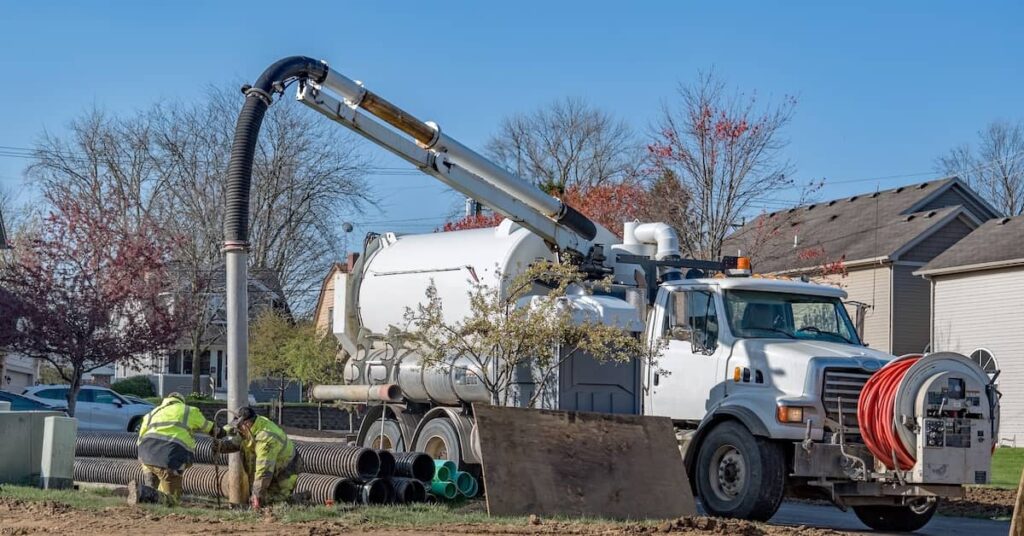
However, once roots or hardened sediment are in the picture, that’s when you need heavy-duty gear. Modern Drain cleaning services use high-pressure water jetting, Stormwater pipe cleaning, and CCTV cameras to fix issues far beyond a garden hose.
For example, hydro-jetting can blast away years of build-up and roots in one go, as many Western Victorian civil sites have learned. That’s why savvy commercial sites in Ballarat or Geelong schedule regular Commercial stormwater drain cleaning every 6–12 months to avoid shutdowns.
Upgraded street pit and grate after maintenance modern fixes like these keep stormwater flowing.
To compare methods:
| Method | What It Does | Best For |
| High-pressure jetting | Blasts water at up to 3000+ psi to scour pipes. | Tough clogs (roots, grease, sand) |
| CCTV drain inspection | Sends camera into pipes to spot cracks, roots, blockages. | Diagnosing unseen problems quickly |
| Hydro-excavation (soft dig) | Uses water and vacuum to safely expose buried drains. | Delicate digs around utilities or pipes |
| Manual rodding/hand tools | Kinks or augers to poke through blockages by hand. | Simple, localized obstructions |
| Chemical cleaning (bio) | Flushes enzymes or bio-cleaners through pipes to dissolve organic clogs. | Low-tech clogs, eco-friendly aid |
Regular DIY upkeep is great, but Residential stormwater drain cleaning involving underground pits and pipes is best left to professionals. Professionals also handle paperwork and compliance: for instance, new homes or large renovations in Victoria must connect to an approved point of discharge. Hiring experts ensures the job is done to code, avoiding fines.
Local Regulations and Responsibilities
Who looks after stormwater drains? In Western Victoria, councils and property owners share the work. Ballarat City Council explains it nicely: “While it is your responsibility to maintain drains on your property, we manage the extensive drainage system within roads and reserves”.
In short, if the blockage is on your side of the property line (e.g. under your driveway or yard), it’s on you. If it’s in the street gutter or kerb pit, the council handles it. Either way, reports to council are easy: in Ballarat you just file an eServices request for blocked road drains.
Notably, Victoria law steps in too. EPA Victoria’s stormwater page notes an Order for the Obligations of Managers of Land or Infrastructure (OMLI) which actually requires councils to have stormwater management plans. And the general environmental duty means everyone businesses and homeowners must “eliminate or reduce risk” of stormwater pollution. So yes, the government is on board: keeping drains clear is literally the law. That’s why WIMVIC keeps all their rainwater pit lids covered and deals with contaminated water carefully. It’s both practical and the right thing to do environmentally.
By maintaining your section of the drainage system (cleaning debris, fixing broken pipes), you help the whole street flow better. This aligns with Melbourne’s push for water-sensitive urban design features like rain gardens and permeable driveways supplement the pipes. But even the fanciest rain garden needs a clear drain to tie into eventually. Everyone wins if that pipe runs free.
Seasonal Tips and Long-Term Care
Western Victoria’s weather swings mean timing is everything. Autumn (falling leaves season) and winter (heavy rains) are peak times to double-check drains. Rake leaves from gutters in late autumn to prevent them washing into pits. After any big storm, do a quick check: is water still glugging out of your downpipe or backing up? If so, call for a service check that’s preventative maintenance at its best.
Over the long term, think beyond the pipe. Planting natives with deep roots can actually help absorb runoff, and directed downpipes into garden beds (instead of roads) can filter water first. VicRoads and councils often encourage permeable driveways and street tree plantings for this reason. But again, any overflow or intentional diversion should still lead to a clear drain or soakwell.
If infrastructure ages (say, an old concrete box culvert under your block of flats or a century-old pipe under a classic Geelong home), schedule Stormwater drain maintenance inspections every few years. A CCTV survey will show cracks or root intrusions you can’t see. Fixing a small cracked pipe or digging out roots early is much cheaper than emergencies later.
Finally, remember that Western Vic can have surprise storms (flash floods up the coast, or hailstorms in the ranges). Keep an emergency contact handy: services like WIMVIC offer Emergency stormwater drain cleaning 24/7. In short, prepare your drains like you prepare your gutters for winter. A little investment in time and care keeps you dry when the heavens open.
Conclusion
Stormwater Drain Cleaning might not be glamorous, but it’s vital insurance for your Western Victoria home or business. Regular Stormwater drain maintenance prevents backyard flooding, avoids ugly damage bills, and keeps our waterways cleaner.
We’ve learned that clogged drains are often someone’s fault (like those clever gum tree roots or a packed gutter), and that simple signs of pooling water, slow flow, or gurgles shouldn’t be ignored. Local councils and Victoria’s EPA all say the same thing: it’s everyone’s job to keep stormwater flowing freely. By staying on top of your drains, you’re doing right by the environment and your property.
If you need help making sure your stormwater system is in top shape, don’t wait until the next big downpour. Call WIMVIC SERVICES today for professional Stormwater Drain Cleaning and inspection. Our team specialises in Stormwater drainage cleaning, Stormwater pipe cleaning, Stormwater drain repair, Residential stormwater drain cleaning, Commercial stormwater drain cleaning, and emergency response across Western Victoria. We’ll treat your stormwater pipes as carefully as our own, so when the rain falls, you’re dry and worry-free.
FAQs
How do I know if my stormwater drain is blocked?
If you notice water pooling around your property, overflowing drain pits, slow drainage, or water backing up after rain, your stormwater drain may be blocked. Gurgling sounds and unpleasant odours are also common warning signs.
What causes stormwater drains to block?
Stormwater drains are commonly blocked by leaves, dirt, mud, tree roots, grass clippings, and other outdoor debris. Heavy rainfall can wash this material into the drainage system, restricting water flow.
How often should I have my stormwater drains cleaned?
Most properties should have stormwater drains cleaned at least once a year, preferably before the wet season. Homes surrounded by trees or commercial sites may require more frequent maintenance.
Can I clean a stormwater drain myself?
You can remove surface debris from drain grates and pits, but deeper blockages often require professional equipment. For safe and effective results, it’s best to use a professional Stormwater Drain Cleaning service.
What should I look for in a stormwater drain cleaning service?
Choose a company with experience, modern equipment like CCTV drain cameras and high-pressure jetting, and knowledge of local drainage systems. Reliable emergency support and preventative maintenance services are also important.