WIMVIC

Blog

Your blog category

EPA Licensed Waste Transport
Blog

EPA Licensed Waste Transport Guide: Costs, Rules & Benefits

Imagine you’re cruising down a dusty Western Victorian road, hauling a load of industrial waste. You might catch yourself daydreaming—until you remember a key detail: without an EPA permit for waste transport, you’re breaking the law. Driving without a licence is a no-no; hauling waste without EPA approval can land you in much deeper trouble. EPA Licensed Waste Transport might not sound thrilling, but it matters. In this guide, we’ll break down the costs, rules, and even some perks of getting it right. For Western Victorian businesses – from wineries to factories – think of this as your crash course in waste compliance, saving you future headaches and fines. For anyone involved in EPA licensed waste transport, this information is crucial. What is EPA Licensed Waste Transport? EPA licensed waste transport means having EPA’s formal permission to haul regulated waste. Essentially, if you carry prescribed industrial waste, each truck needs its own EPA-issued permit. Think of it like a heavy-duty vehicle rego sticker for your rubbish. In Victoria, the law explicitly lists “transporting waste” as an activity requiring a permit. In practice, any company that transports controlled waste must be EPA-licensed to operate. (Insert image of an EPA-compliant waste transport truck driving on a Western Victorian highway.) EPA-licensed waste transport covers many waste types – from Liquid waste management (oils, sludges, sewage) to chemicals, asbestos or contaminated soil. These all fall under “prescribed industrial waste.” In other words, if it’s regulated waste, your vehicle probably needs a permit. (EPA allows a small exemption: loads under 50 kg carried for free don’t need a permit. But in most business cases, that’s not relevant.) Otherwise, assume that each waste-carrying truck needs EPA’s OK. Costs of EPA Licensed Waste Transport Permit fees fund EPA’s regulatory work. For example, in 2024–25, permit fees for EPA Licensed Waste Transport operations can be significant. In that year’s fee schedule, a new waste-transport vehicle permit costs about $405.47. After that, annual renewal is only about $46.44. (Think of the first year as a fixed cost of roughly $405, then ~$50 per year to keep it.) Transfers and amendments cost a bit more (around $139.95 and $209.07 respectively). Permit action Fee (2024–25) New vehicle permit (12 months) $405.47 Annual renewal of permit $46.44 Transfer of permit (to another truck) $139.95 Amendment of permit (minor change) $209.07 (Source: EPA Victoria fee schedule 2024–25). Keep in mind these are EPA’s base fees. If your waste is especially hazardous or your truck is very large, the fee could be higher. If you only haul a very tiny load and don’t get paid (e.g. giving away 20 L of farm waste), you might not need any permit at all. But that’s rare. For any commercial job, budget at least a few hundred dollars per truck per year for EPA permits and compliance. Rules & Regulations for EPA Licensed Waste Transport Having a permit means following EPA’s strict rules. The core idea is the general environmental duty: take all reasonable steps to minimise risk. In practical terms, this means: These rules come straight from EPA regulations. Breaking them can lead to heavy fines or losing your permit. In short, following the rules isn’t optional – it keeps you legal and everyone safer. Benefits of EPA Licensed Waste Transport Why go through all this hassle? There are real upsides. A permit isn’t just a cost – it’s an investment in safety and business stability: In a nutshell, getting EPA approval earns trust – from regulators, clients, and neighbours. It’s like a stamp of professionalism in the waste world. How to Obtain an EPA Licensed Waste Transport Permit For an EPA Licensed Waste Transport provider, here’s the quick rundown: EPA’s guidelines literally say to send the completed form and photos, after which “we will determine the relevant application fee”. The permit is valid for 12 months – EPA will even mail you a renewal invoice about 60 days before expiry. So once you’re set up, it’s mostly just annual upkeep. Conclusion EPA Licensed Waste Transport might feel like jumping through hoops, but it’s really about doing business responsibly. The cost (a few hundred dollars per truck) pays for an “insurance policy” against spills, fines and headaches. The rules (labeling, containment, proper disposal) ensure you’re not endangering anyone or getting shut down. And the benefits – safety, trust, and more business – are well worth it. So treat your waste permit like a vehicle registration: essential and non-negotiable. For EPA licensed waste transporters, paying a permit fee is far cheaper than facing a spill cleanup or fine. Stay on the right side of EPA, and you’ll keep trucking smoothly (and your conscience clean). Trust me, handling the paperwork now is way easier than explaining a screw-up to an EPA inspector later. Frequently Asked Questions

Pipe CCTV Inspection
Blog

7 Signs You Need a Pipe CCTV Inspection Immediately

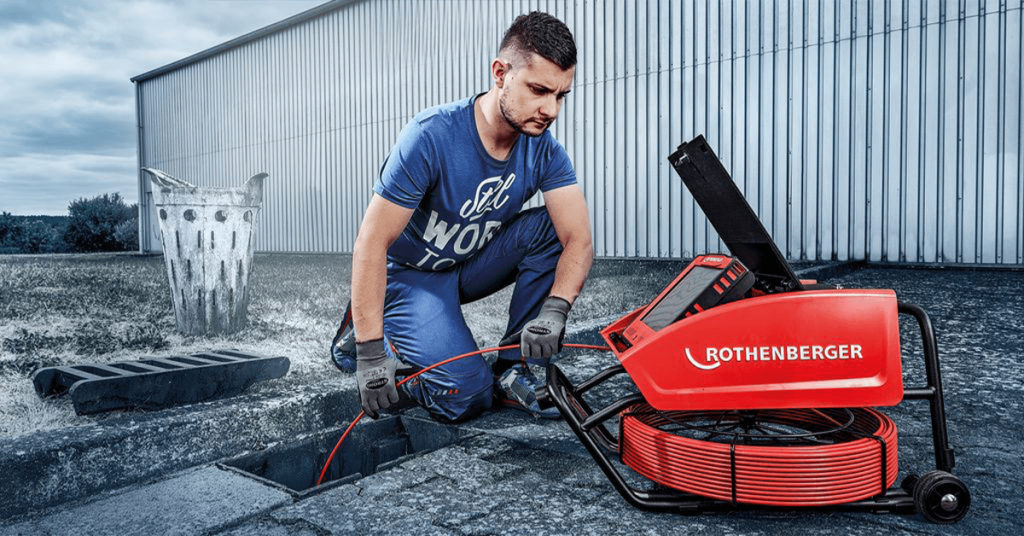
Imagine lowering a tiny explorer into your kitchen drain, streaming live video of its journey. That’s basically what a Pipe CCTV Inspection is – a high-tech camera on a cable crawling through your pipes to hunt for trouble. It’s a bit like Google Maps for your sewer line. You watch on screen as the camera lights up cracks, blockages, and sneaky tree roots hiding just below the surface. After years of dealing with quirky plumbing in Western Victoria, I know these inspections pay off. Skipping one could leave you with a lot more than a groaning drain – think flooded gardens or ruined concrete. Let’s dive into the seven big warning signs you shouldn’t ignore. If any of these sound familiar, it’s time to call in the camera. 7 Warning Signs You Need a Pipe CCTV Inspection: Persistent Clogs If your sinks or toilets keep backing up with ordinary waste, don’t brush it off. Persistent clogs often mean something lodged deep down, like hardened grease, hair, or even tree roots. In fact, Yarra Valley Water spends nearly $1 million each year clearing about 1,200 sewer blockages. You don’t want to join that list. A CCTV inspection will pinpoint exactly where the blockage is hiding so you can fix it at the source. These recurring clogs are critical warning signs of hidden pipe damage. Trust me, spending a few hundred bucks on a camera check beats thousands on emergency repairs. Slow Draining When water takes ages to disappear from your shower, tub or sink, pay attention. Slow drains mean something is narrowing your pipes. It might be a minor build-up you can clear, or it could be creeping damage or a misaligned joint. Either way, don’t shrug it off. Call in a Pipe CCTV Inspection Expert in Western Victoria to snake a camera through the line. You might think flushing more cleaner or using a plunger will fix it, but even a slight slowdown can signal a bigger issue brewing. Remember, standing water in slow drains can become a breeding ground for bacteria – not something you want lurking in your home. Foul Odours If your drain smells like something died down there, you’ve got plumbing trouble. A whiff of rotten egg or sewer gas means sewage isn’t flowing properly, often because of trapped waste or a crack letting air escape. You can try masking it with sprays, but that only treats the symptom. The stink is the system screaming for help. A CCTV camera lets a plumber pinpoint what’s wrong – whether it’s a dry trap, a hidden clog, or a hairline pipe fracture. Persistent drain smells “indicate a blockage or damaged pipes”, so don’t ignore the warning; let the camera find the culprit. Water or Sewage Backup Nothing spells urgency like actual water coming up where it shouldn’t. If sewage or just water starts backing out of a drain, toilet, or into your yard, act now. This usually means a serious block or a broken sewer line. That’s not just gross – it’s a health hazard. A few summers back, I helped a family whose backyard literally turned into a swamp from a cracked sewer pipe. The camera swiftly found the break so we could fix it before it got worse. Don’t let a little backflow turn into a major disaster – a CCTV inspection can save the day. Gurgling Sounds Ever flush the toilet and hear your shower gurgle? Or notice funny bubbling noises when the washing machine drains? Those strange noises are your pipes talking. They often mean trapped air behind a blockage or a venting issue. It’s like the pipes are trying to clear their throat. A CCTV inspection can show exactly where the blockage or defect is causing the noise, so you can stop the concert of gurgles before it becomes a full-blown plumbing opera. Soggy Patches in the Yard Sometimes your pipes leak right up to the surface. Notice a persistent puddle or an unusually green patch of grass? Or – yikes – ground that’s starting to sink? These clues scream “buried leak.” Instead of digging random holes, drop a camera down the drain: a CCTV scan will trace a hidden leak precisely and save your yard from needless digging. It’s far better than watching your lawn turn into a mini-swamp (and finding surprise sinkholes near your shower). Before Renovations or Buying/Selling Even if everything seems fine, it’s smart to get a camera check before you jump into renovations or big landscaping changes. Some councils in Western Victoria require CCTV footage before approving new sewer or stormwater connections, and the Australian Government’s Guidelines for Sewerage Systems make it clear why proper inspection is essential for protecting public health and preventing future drainage issues. Likewise, if you’re buying or selling a home in Western Victoria, a quick drain camera inspection can reveal hidden nightmares (like corroded pipes or illegal taps) before they become your problem. Think of it as an insurance policy for your pipes. Symptom Possible Cause How CCTV Helps Frequent clogs Grease, hair, debris, roots Pinpoints exact location of blockage Slow drains Build-up, misalignment Shows buildup or pipe sag Foul odour Trapped waste, cracks Reveals leaks or damage Gurgling noises Blockage or vent issue Identifies the air-lock or source of backing Water in yard Leaking or broken underground pipe Locates crack or rupture in sewer line Sinkhole or damp patch Collapsed or cracked pipe Pinpoints exactly where the pipe failed Pre-renovation/sale Hidden defects in old pipes Verifies pipe condition to prevent surprises The camera inspection works like a flashlight for your pipes. Instead of guessing where the trouble is, you get a clear map of grease balls, root intrusions, cracks or corrosion – and then you fix just those spots. Protect Your Home Today By now you should have a good feel for the red flags. So what should you do next? First, take it seriously – don’t ignore those signals. Contact a licensed plumber or drainage specialist and explain the issues. They’ll likely suggest a CCTV inspection. This is

Road Sweeping
Blog

Liquid Waste Transport: From Collection to Treatment

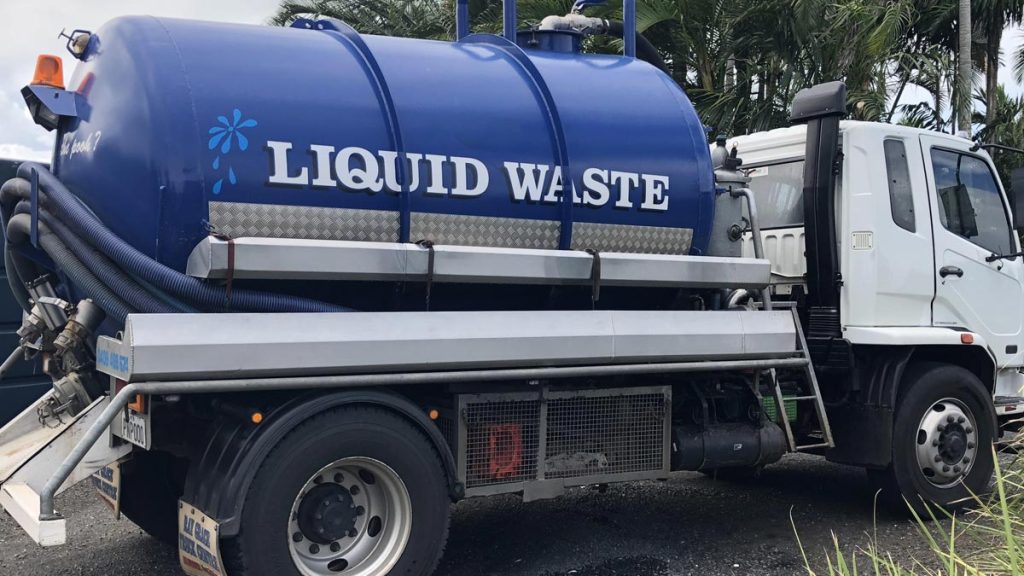
Imagine this: you’ve just enjoyed a seafood barbecue at a cozy coastal town in Western Victoria. Later, you flush the salt-shrimpy water down the drain without a second thought. But where does that smelly mix of water, oil and kitchen scraps really end up? That’s where liquid waste transport comes in – the unsung hero behind every flush, grease trap cleanout or septic pump-out. Whether it’s sludge from a country pub’s kitchen or blackwater from a farmhouse, trucks and specialists move this messy cargo so it can be treated safely. Liquid waste may sound gross, but it’s simply water mixed with stuff we don’t want in our rivers or land. It includes household wastewater (think showers, laundry, toilets), industrial effluent (wash-down water from factories), agricultural slurry, and even used motor oil or chemical cleaners. If it doesn’t flow to a normal sewer, it becomes the job of vacuum trucks and treatment plants. In fact, almost 2,000 gigalitres of sewage was generated in Australia in 2020–21 – imagine all that going down the pipes! In smaller towns or farms without big sewers, onsite systems (like septic tanks and grease traps) capture this liquid waste until someone comes along with a tanker to suck it up. A vacuum tanker quietly parks by a rural home, ready to whisk away the year’s worth of unwanted sludge and greywater. These specialized trucks are the backbone of liquid waste transport: they drill, suction, and haul away everything from toilet waste to vegetable-oil leftovers. It might surprise you that this stuff can harbor nasty germs or heavy metals – wastewater often contains pathogens and pollutants that could make people or wildlife sick if spilled. That’s why every step of collection is done with care (and a lot of soap and spill-kits!). With each home and business producing wastewater daily, reliable waste hauling is crucial. When your septic tank or grease trap fills up, you call in an expert – typically a licensed Liquid Waste Transport Contractor – to pump it out. In Western Victoria, these pros (often small local businesses) have EPA permits and vacuum trucks on standby. They’ll connect a giant hose to the tank or drain, then use powerful vacuum pumps to suck the gross mix of water, solids and sludge into the tanker. The waste is held in sealed tanks on the truck, often with secondary containment (bunded trays or sealed compartments) to catch any leaks. After the job, the truck drives to an approved facility and empties its load, ensuring nothing spills on the roadside. Managing this not-so-glamorous task is important. Untreated liquid waste can contaminate soil and waterways, causing algal blooms or health hazards. In Victoria, you’re legally required to handle wastewater safely. The EPA’s General Environmental Duty insists on eliminating or reducing any risk of harm from your wastewater. For example, if your business discharges water to land, it must meet strict rules. The bottom line? Proper collection and transport prevent nasty environmental accidents, and licensed transporters are key to that safety chain. What Counts as Liquid Waste? If it’s wet and unwanted, it’s probably liquid waste. Common types include: Each type needs its own treatment. For instance, restaurant fat might get rendered into biofuel, while sewage goes through a treatment plant. A handy guide is the waste hierarchy: try not to make waste in the first place, then reuse or recycle if possible, and dispose as a last resort. To give you a clear picture, here’s how some typical liquid wastes compare: Type of Liquid Waste Source Examples Common Treatment/Disposal Domestic sewage (greywater) Homes, apartments (kitchens, bathrooms) Municipal wastewater plants (treat and clean water) Restaurant grease/oil Cafes, pubs, catering kitchens Grease traps → Industrial rendering or biofuel conversion Industrial effluents Factories, workshops Specialized treatment facilities; sometimes neutralized Agricultural slurry Farms (pig, cattle, dairy) Land application (spread on fields) or biogas digesters Each row could be its own mini-article, but the key is: all this “liquid garbage” eventually needs to be hauled somewhere safe. From Tank to Plant: The Transport Process So how does that gunk get from your yard to a treatment plant? Preparation: first, the contractor arrives in a big tanker truck. You might just see a hose and then a greasy puddle vanish, but there’s protocol behind it. The driver will wear protective gear and confirm the waste type and quantity (it matters for pricing and for legal paperwork). They often carry paperwork called a waste manifest tracking exactly what’s being moved. Pumping: the magic happens next. A suction hose, attached to the truck’s pump, goes into the septic tank or tank bay. The powerful pump draws out the sludge, water, toilet waste, FOG (“fat, oil, grease”), even solid chunks if present. Most trucks have two tanks: one for the waste and one for fresh water to rinse hoses or the tank. The waste tank is designed to hold up to several thousand litres safely. In fact, EPA guidelines demand that these trucks have sealed, bunded floors and trays so that any spills are contained. There’s even fire extinguishers and spill kits on board – because if something does leak, it can be dangerous. A fleet of vacuum tankers waits at dawn to tackle our unwanted kitchen and toilet leftovers. The vacuum trucks you see aren’t ordinary water carriers – these mobile fishbowls of filth suck out the gunk from septic systems and grease traps. EPA guidance actually requires a secondary containment system on board, basically a built-in drip tray to catch any stray liquid. These trucks drive on highways carrying very smelly cargo, but they’re built to keep us safe. Transport: Once filled, the waste moves from point A to point B. In Victoria, the exact rules depend on what you’ve collected. Interestingly, liquid waste is treated a bit differently than solid hazardous waste. According to EPA Victoria, you don’t even need a special permit to take liquid waste out of the state (solid waste often needs one). However, trucks still must comply with the

Liquid Waste Management
Blog

What Is Liquid Waste Management and Why It’s Essential

Ever wonder where that dirty water goes after you flush or rinse out the paintbrush? (Spoiler: it doesn’t disappear on its own.) That’s where liquid waste management swoops in. In simple terms, liquid waste management means the systematic handling, transport, treatment and disposal of wastewater and other liquid byproducts so they don’t harm people or the environment. This includes everything from household sewage and stormwater runoff to industrial effluent from factories and farms. Liquid waste can be nasty stuff – think oils, chemicals, cleaning fluids, food processing waste and more. If left unchecked, these liquids can contaminate soil, pollute rivers and spread disease. For example, one industry guide notes that “liquid waste must be managed and disposed of in a safe and appropriate manner to prevent contamination of the environment and potential harm to human health.” In short, good liquid waste management protects our water and land. It’s the unsung hero that keeps our taps clean and ecosystems healthy. *Wastewater treatment facilities (like the one above) are critical hubs in the liquid waste management cycle. They treat sewage and industrial wastewater to remove pollutants before releasing clean water back into nature.* So why should you care about liquid waste management in Western Victoria? Imagine this: Nutrients and nasty chemicals from a farm or winery flowed untreated into the Wimmera River – it’d poison fish and cattle alike. Or picture a small town without proper septic handling: yikes, disease and foul odors! By managing liquid waste properly, we keep water clean for drinking and farming, comply with the law, and avoid smelly messes. In fact, experts point out that effective liquid waste management “protects the environment, conserves water resources, and reduces the risk of waterborne diseases.” In a dry region like Western Victoria, where every drop counts, that’s a big deal. What Does Liquid Waste Include? Let’s break it down. Liquid waste covers any used water or fluids that businesses, farms or homes discard. This could be: A handy way to think about it: if it’s water-based and not clean enough to pour down the drain, it’s likely liquid waste. The key point is that liquid waste is any water-based waste from industrial, domestic or agricultural processes. That means it can range from harmless (used coffee grounds in the sink) to hazardous (waste acids, heavy oils), but even seemingly “ordinary” wastewater needs processing. How Liquid Waste Management Works When a spill or flush happens, what next? A robust liquid waste management system follows a few basic steps: Here, physical, chemical and biological processes strip out pollutants. Solid bits are removed, oils are skimmed off, microbes break down organic matter, and harmful chemicals are neutralised. In some areas, advanced plants even recycle cleaned water for irrigation or processing. Disposal or Reuse: After treatment, the remaining water – now far cleaner – is either released back into a river, used on farmland (if allowed), or fed into a municipal water supply (for certain crops). Sludge and residual solids from treatment are dewatered and usually taken to landfill or used as fertilizer if safe. Think of it like a spa day for dirty water: collect it in tanks, give it a good cleanse at a plant, then send it back to nature ready to mingle. For instance, many Victorian rural towns use lagoon systems and filters, while city sewerage plants might add UV disinfection. No matter the tech, the goal is the same: turn dirty liquid back into something harmless. One industry site sums it up: “the most common methods of [liquid waste] disposal include … wastewater treatment”. Ongoing Monitoring: Throughout the process, labs constantly test the water. If a new contaminant shows up, operators tweak their process. The water that returns to the environment must meet regulatory standards every time. Specialised vacuum trucks and pumps (like this one) are used to collect and haul liquid waste away from homes and businesses. These vehicles are the workhorses of liquid waste management. If you’re in Western Victoria, imagine a waste crew vacuuming out a septic tank on a farm near Horsham, then driving to a licenced treatment plant. Sure — here’s a simpler, more natural version with a relaxed, everyday tone that still flows nicely and keeps your link natural: That’s what liquid waste management looks like in real life. Local teams handle everything from collecting waste to proper disposal without any fuss. If you need a hand, a trusted contractor for Liquid Waste Management in Western Victoria can take care of the whole process safely and by the book — so you don’t have to worry about a thing. Why Proper Liquid Waste Management is Essential Now let’s talk benefits and impacts, bullet-style: Legal Compliance and Reputation: Companies and councils have legal obligations to handle waste properly. Violating these can mean heavy fines (even jail time in extreme cases). By following best-practice liquid waste management, businesses “help comply with regulations and avoid penalties.” It’s also good PR – showing the community you care about the environment. Environmental Sustainability: Modern treatments can recover resources. For example, biogas from sewage treatment can generate electricity, and treated sludge can become fertilizer. These innovations mean waste becomes a resource. In Western Victoria’s circular-economy drive, smart waste management means lower carbon footprints and new farm inputs. In short: when liquid waste is handled the right way, everyone benefits – the rivers stay clear, farms stay productive, and you sleep easier knowing a flood or spill won’t poison the town water supply. Risks of Ignoring Liquid Waste Management Let’s be candid: skipping proper liquid waste management is a recipe for trouble. Imagine a bungled septic tank spill, or a factory dumping chemicals into a creek. The consequences can be messy and expensive. One environmental report noted that unchecked liquid waste can degrade aquatic habitats and even spread disease. On a smaller scale, you’d notice the stench – bad odors from sewage or grease buildup can make living or working nearby awful. On a larger scale, if rivers get fouled, tourism (like fishing and boating)

Drain and Pipe Cleaning
Blog

How Regular Drain and Pipe Cleaning Prevents Costly Repairs

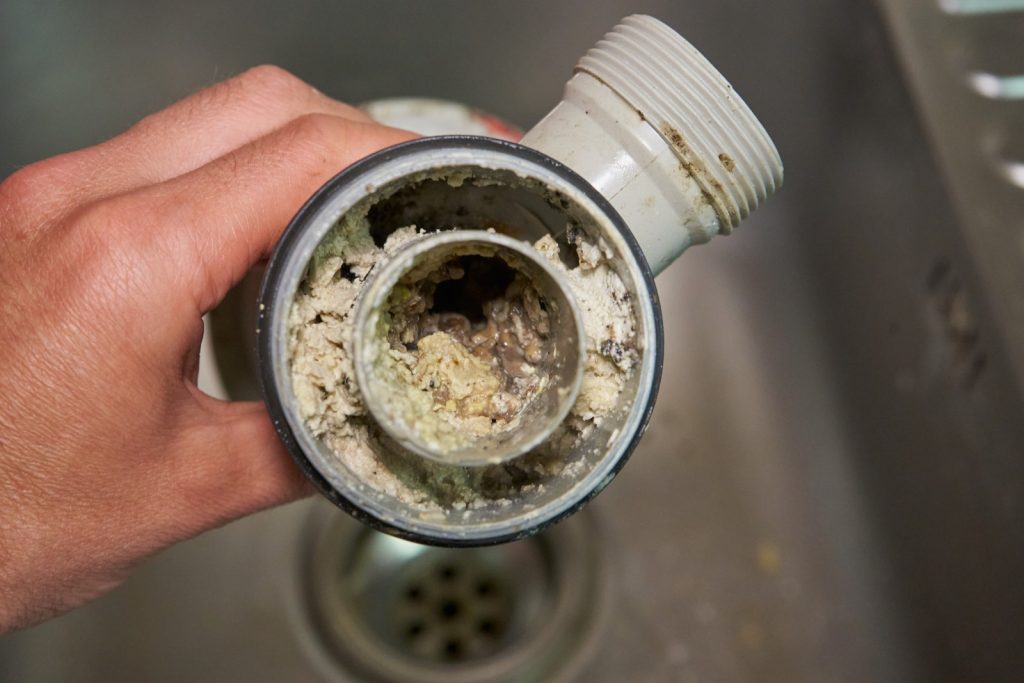
Let’s be honest—most homeowners in Western Victoria don’t give much thought to what’s happening inside their drains and pipes until something goes horribly wrong. A slow-draining sink, a gurgling toilet, or that faint, unpleasant smell coming from your bathroom are all tell-tale signs that your plumbing is crying out for attention. What many people don’t realise is that regular drain and pipe cleaning isn’t just about keeping things flowing smoothly—it’s about protecting your home from serious, costly damage down the line. Why Drain and Pipe Cleaning Is So Important Your plumbing system works hard every single day. From washing dishes to taking showers, every drop of water leaving your home depends on clean, clear pipes to get where it needs to go. Over time, however, debris like hair, grease, soap scum, food waste, and mineral build-up can start to cling to the inner walls of your pipes. This slow accumulation doesn’t just cause inconvenient blockages—it can put pressure on your entire drainage system. Neglecting routine cleaning leads to reduced flow, corrosion, leaks, and eventually, structural damage that can cost thousands to repair. In places like Western Victoria, where homes often deal with mixed soil types and older infrastructure, preventive maintenance is especially vital to keeping water lines healthy and efficient. When to Call in the Experts You don’t have to wait for a total blockage before acting. There are subtle signs that it’s time to get your plumbing checked—slow drains, recurring clogs, foul smells, or strange gurgling noises from the pipes. Regular cleaning not only restores smooth water flow but also helps spot hidden issues before they turn into full-blown disasters. If you’re unsure where to start, reach out to Drain and Pipe Cleaning experts in Western Victoria who can assess your system, clean your drains safely, and identify potential weak points before they become expensive emergencies. How Regular Cleaning Saves You Money When you think of plumbing maintenance, the cost might feel like an unnecessary expense. But compared to what you’ll spend on major repairs, it’s actually one of the smartest financial decisions you can make. In short, prevention costs far less than repair—and your plumbing system is no exception. The Common Causes of Drain and Pipe Blockages Understanding what causes blockages in the first place can help you prevent them. Some of the most common culprits in Western Victoria homes include: While some minor clogs can be cleared with a plunger or baking soda mix, recurring blockages usually mean something deeper is going on inside your drainage system—and that’s when you need professional help. The Professional Cleaning Process Explained When a trained plumber performs a drain and pipe cleaning, it’s far more advanced than what you can do with store-bought products. Professionals use equipment and techniques designed to thoroughly remove buildup and restore your pipes to optimal condition. This process not only clears existing clogs but also helps prevent future ones. For many homeowners in Western Victoria, scheduling a professional cleaning once a year is enough to keep their plumbing in top shape. The Hidden Dangers of Ignoring Drain Maintenance Ignoring your drains might seem harmless at first, but it can spiral into serious plumbing issues. Here’s what can happen when you delay cleaning: In the long run, what could have been a small cleaning bill often turns into a major renovation project involving walls, floors, and plumbing replacements. Eco-Friendly Benefits of Regular Cleaning Beyond saving money, routine drain and pipe cleaning also has environmental benefits. Clean, unobstructed pipes improve water efficiency and reduce the likelihood of chemical usage from harsh drain cleaners. Professional services often use water-based cleaning methods like hydro jetting, which are non-toxic and safe for your home and the environment. By investing in proper maintenance, you’re not only extending your plumbing’s life but also reducing your ecological footprint—a win-win for both your home and the planet. How Often Should You Clean Your Drains? As a general rule, professional plumbers recommend cleaning your drains once a year for standard households. However, if your home has multiple occupants, an older plumbing system, or frequent slow drains, you may need cleaning every six months. In rural parts of Western Victoria, where tree roots and shifting ground can interfere with underground pipes, bi-annual maintenance can help catch issues early before they become severe. DIY vs. Professional Cleaning You might be tempted to pour a chemical cleaner down the sink when your drain slows down, but those quick fixes often do more harm than good. Most chemical products corrode pipes over time and only clear the top layer of blockage. Professional cleaning, on the other hand, is thorough, safe, and long-lasting. Experts use inspection tools and precision cleaning methods to clear buildup without damaging the infrastructure. Plus, they can identify early warning signs that homeowners typically miss. If you want a long-term solution that keeps your plumbing performing efficiently, professional cleaning is the way to go. The Takeaway Regular drain and pipe cleaning isn’t just another household chore—it’s a critical form of preventative maintenance that protects your home, your health, and your wallet. In Western Victoria’s changing climate and soil conditions, keeping your plumbing in top condition can make all the difference between a simple service call and a full-scale pipe replacement. Whether you’re noticing slow drainage, unpleasant smells, or just want peace of mind, now is the perfect time to schedule a professional inspection and cleaning. Prevent problems before they happen, and your plumbing system will reward you with years of trouble-free performance. Frequently Asked Questions

Hydrovac Excavation
Blog

Hydro Excavation 101: Everything You Need to Know

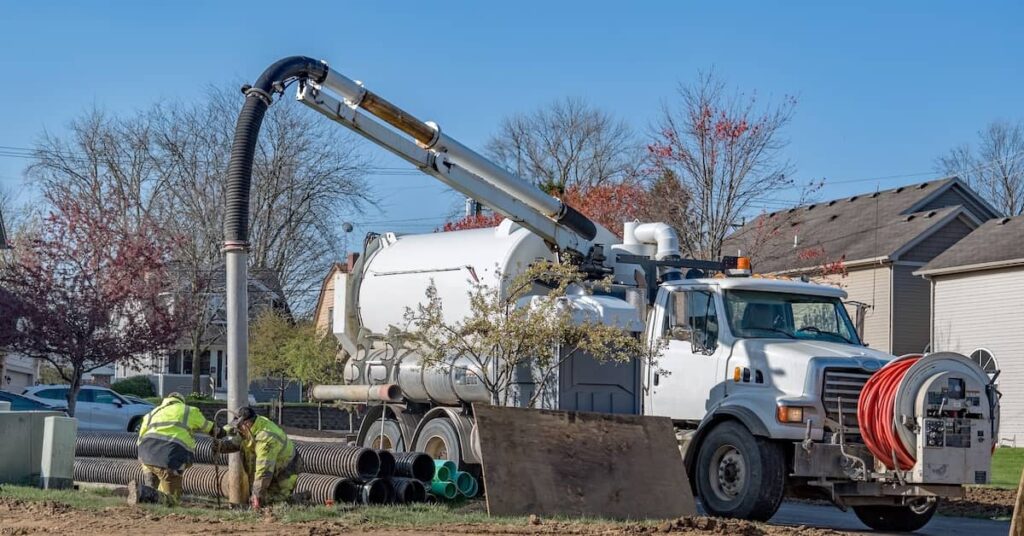
Ever imagined digging up the earth without a hitch? In Western Victoria, more people are discovering vacuum excavation – a clever, high-tech twist on traditional digging. Think of it like a giant vacuum cleaner with a water jet: it blasts away soil with pressurized water and sucks the muck into a truck. This cutting-edge technique, often called hydrovac or hydro-vac, is catching on for jobs from roadworks to farm irrigation in the region. Hydro excavation is exactly what it sounds like: using a jet of water to break up soil and a vacuum to clear it out. This non-destructive approach means you can expose buried pipes, cables and tree roots without busting up the whole block. How Hydro Excavation Works When you need to dig carefully, a hydro-vac truck is your best mate. It carries a large water tank and a powerful pump, shooting thousands of PSI of water onto the ground. This breaks up earth or clay and loosens buried material. A boom with a suction hose then vacuums the wet dirt (or slurry) straight up into the truck’s debris tank. Usually two operators work in tandem – one handles the pressurized water lance while another runs the vacuum system – to get the job done efficiently. Unlike a backhoe’s bucket, hydro excavation literally liquefies soil and slurps it out, revealing utilities gently and precisely. Uses and Applications Hydro vac trucks are putting traditional shovels to shame, especially for delicate jobs. Need to find a hidden cable under a busy street corner? Hydro excavation can “pothole” safely by washing away soil bit by bit. Installing a new water line or fibre-optic cable in a tight spot is a breeze because the technique is so controlled. Western Vic councils and utility crews love that hydro-vac works well on city footpaths, town centres, and even near historic buildings – anywhere it’s risky to blast a big hole. Construction sites, utility companies, telecom installers and environmental teams all use hydro excavation for trenching and exposing underground assets without wrecking the area. Key Benefits of Vacuum Excavation This method has a bunch of big pluses over a backhoe. For one thing, it is non-invasive and precise. The high-pressure water only loosens targeted soil so existing pipes, power lines and tree roots stay intact. This means fewer costly utility strikes or repairs – projects run smoother and safer. It’s also fast. Since hydro crews often avoid heavy digging permits, work can start sooner and wrap up quicker. It makes sense – you’re literally washing and collecting dirt at the same time, so cleanup is built into the process. Traditional vs. Vacuum Excavation When comparing digging methods, this technique often comes out on top. Traditional diggers disturb big areas and can wreak havoc on surrounding soil. By contrast, hydro vac stays neat and tidy – think of it as digging with a paintbrush instead of a bulldozer. Hydro excavation reduces the risk to buried utilities, boosts worker safety, and leaves the ground looking almost untouched. The table below captures the difference: Feature Traditional Digging Hydro (Vacuum) Excavation Utility Risk High (bucket could cut lines) Minimal (water pinpoints soil) Worker Safety Higher manual/equipment hazards Lower (remote operations) Environmental Impact Major soil disruption, runoff Low (localized digging) Precision Broad areas, less accurate Highly targeted (meter-wide holes) Restoration Large repairs needed to surfaces Minor fixes, minimal restoration Safety and Environmental Concerns That said, hydro excavation needs some prep. Crews always “dial before you dig” to mark underground services (you should too!). The water pressure must be controlled – too much PSI can even dent a cable’s insulation. It’s smart to plan each dig carefully to avoid mishaps. After the wash, there’s a slurry to dispose of: the mud, sand and bits of tree roots left over are classified as “drilling mud waste,” which often contains soil, organic matter and even clay-like additives called bentonite. Operators must follow local regulations for waste disposal – for example, in Queensland they manage drilling mud waste under environmental guidelines. (In Western Victoria you’d check Victorian EPA or council rules.) The good news is modern hydro vans usually have filters and settling systems to separate water so the sludge can be trucked away responsibly, keeping the site neat and legal. Real Examples In practice, hydro excavation just makes projects easier and cleaner. For example, in Geelong a crew used hydro vac to expose a broken water valve without shutting down the street for days. Or picture a wind farm in Western Victoria: technicians trench cable lines near towering turbines, and hydro excavation ensures no countryside is scarred. Even in your own backyard it’s handy – if you need to fix a sneaky drain leak or plant a tree without chopping through pipes, a small hydro vac can handle it. Contractors often share these success stories: a professor once likened hydro excavation to “a juice-sucking straw” for dirt, while environmental officers appreciate the low runoff and fine control on vegetated sites. Conclusion In summary, this technique is like giving Mother Nature a careful nudge instead of a shove. It’s faster, more precise and often safer than traditional digging. Industry pros and official guidelines back up these claims, so whether you’re in Ballarat, Warrnambool or anywhere in Western Victoria, knowing about hydro excavation can save you time, money and a lot of hard work. If you’re gearing up for an underground project – from installing a new fibre cable to investigating a mystery leak under your house – vacuum excavation might just be the answer. Give it a go on your next job or call in a local hydrovac specialist: you’ll wonder why you ever used anything else. Frequently Asked Questions

Environmental Waste Services
Blog

What Is Non-Destructive Digging? Everything You Need to Know

Ever stood in your backyard about to plant a tree and thought, “Hold on – what’s under here?” You’re not alone. Hitting a hidden cable or pipe with a shovel is every DIYer’s nightmare (ask my mate who once accidentally unplugged his whole street’s Wi-Fi!). That’s exactly why non-destructive digging (NDD) has become a game-changer in excavation. Instead of roaring excavators, NDD uses high-pressure water and vacuum trucks to “gently” remove dirt. It’s like using a garden hose and super-powered shop vac to carve out holes – fun to imagine, even more fun to use in real life. In Western Victoria’s farms, suburbs or city works, NDD means you can dig safely without ripping up essential services or tree roots. Let’s dive into how it works, why it matters, and why even homeowners should care. What Is Non-Destructive Digging? In plain terms, non-destructive digging (NDD) is digging that protects everything around it. Think of it as excavation with ninja-like precision. Instead of big bulldozers or backhoes tearing through the ground, NDD uses high-pressure water and a vacuum hose to break up and remove soil. One provider simply says it “combines high-pressure water and a vacuum to break apart earth in a controlled manner” – which means no random chunks flying everywhere. Another way to picture it: imagine carving out a hole using only gentle streams of water and a giant vacuum. The water loosens the dirt, and the vacuum sucks the loose soil up into a big tank. This combo is so precise that it won’t nick buried pipes, cables, or even nearby tree roots. In fact, vacuum excavation (another name for it) is widely viewed as the safest way to expose underground utilities. Sometimes folks call it hydro excavation, vacuum excavation, or simply potholing. No matter the name, the idea is the same: dig around sensitive stuff without touching it. It’s the difference between using a sledgehammer (regular digging) and a surgeon’s scalpel (NDD) in the soil. Alternate names: Hydro excavation, vacuum excavation, suction excavation, or potholing.Why “non-destructive”? Because it avoids damage to existing underground pipes, cables, tree roots and other infrastructure. Who uses it? From builders and councils to even homeowners, anyone who needs to dig near buried utilities or delicate features. How Non-Destructive Digging Works In practice, you’ll often spot a large vacuum truck on site. The truck carries a high-pressure water pump and a powerful suction system. When digging begins, an operator aims a lance of water at the ground to create a narrow trench or hole. The stream is strong enough to break up soil but gentle enough to leave cables and pipes untouched. Then, a huge vacuum hose quickly sucks up the wet slurry, depositing it into the truck’s tank. It sounds like a fancy carnival ride, but it’s very real. One expert describes it as using “high-pressure water and air hoses to remove material… without causing damage to roots or man-made infrastructure”. Often you’ll see crews carefully “potholing” – digging a small pilot hole to check for hidden lines. If they find utilities, they keep using this water-vacuum combo to expose and work around them. Some NDD setups even use dry suction (air only) instead of water. For example, specialty systems like Veolia’s “DRYset” ramp up airflow dramatically to break up soil. Either way, the goal is the same: loosen the soil, then vacuum it up safely. As Veolia puts it, this method “ensures minimal harm to the existing underground infrastructure such as water networks and gas lines”. In short, it’s like having a super-precise Dyson vacuum for digging — no guesswork, just daylighting utilities safely. Why Use Non-Destructive Digging? Non-destructive digging isn’t just clever – it comes with big advantages. Here’s why pros (and smart DIYers) love it: Safety First: The most obvious benefit is protection. With NDD, the chance of snagging a live power cable or burst pipe is almost zero. Traditional digging can be a gamble if utility plans are outdated or missing. A survey found that even experts can’t always predict exact cable locations, so vacuum excavation is a safety net to check before you wreck. In fact, Energy Safe Victoria explicitly advises that if you must dig near cables, you should “visually prove the cable location using non-destructive digging (i.e. hand digging or hydro-vac digging)”. In practice, this means your team or even you can dig with confidence that nothing critical will be yanked out. Friend to Nature: NDD is surprisingly eco-friendly. It disturbs far less ground than a big machine. You don’t jackhammer or shake the earth; you gently wash it away. That means no noisy diesel engines roaring, and minimal dust or mud flying around. Local pets (and neighbours) will thank you for the quiet! Plus, because you’re only removing targeted soil, most of the excavated dirt can be reused for filling later – less waste to move. One blog sums it up: NDD is “safer for operators, quieter for local communities, more cost-effective, and more precise”. In plain English: it keeps workers safe, the street calm, and actually saves money in the long run (by avoiding damage). Precision & Convenience: With a regular dig, you might over-excavate “just in case,” creating bigger holes and extra cleanup. NDD only takes what’s needed. That means smaller trenches, which are faster and cheaper to restore. For example, installers of underground cables or pipes often use vacuum excavation to open just one side of a trench (called “daylighting”) so they know exactly where everything is. Trees, gardens and lawns stay largely intact. Comparison Table Feature Traditional Excavation Non-Destructive Digging (NDD) Tools Used Bulldozers, backhoes, shovels High-pressure water lance, vacuum hose Impact on Utilities High risk of cuts & breaks Targets soil; leaves cables/pipes intact Impact on Environment Disturbs lots of soil, roots Minimal disturbance, preserves trees/landscape Noise & Dust Loud, dusty Quiet operation, mostly water/no dust Precision Lower – big scoops High – only digs where directed Common Use-Cases Bulk excavation (holes/footings) Exposing/working near underground utilities Regulatory Requirement

waste management
Blog

Why EPA Licensing Matters in Waste Transport Compliance

When it comes to waste management, compliance isn’t just a box to tick — it’s the foundation of keeping businesses, communities, and the environment safe. One of the most crucial elements of compliance in Australia is obtaining and maintaining proper EPA licensing, particularly in the field of waste transport. Whether you’re in construction, industrial operations, or managing municipal services, understanding why EPA licensing matters can help you avoid hefty penalties, reputational damage, and environmental harm. In this article, we’ll break down what EPA licensing is, why it’s so important, and how it directly affects businesses handling liquid and industrial waste across Western Victoria. What is EPA Licensing? EPA (Environment Protection Authority) licensing is a regulatory framework established to ensure that waste is managed, transported, and disposed of responsibly. In Victoria, the EPA sets strict rules to control how businesses handle waste streams such as: The licensing system ensures that companies transporting or treating these waste types meet strict environmental and safety standards. This means operators must use approved equipment, maintain detailed records, and follow guidelines that minimise risks to people and the environment. Why Does EPA Licensing Matter in Waste Transport? When waste is transported improperly, the risks are enormous. We’re talking about pollution of local waterways, soil contamination, health hazards, and even road safety risks. EPA licensing directly addresses these concerns. Here’s why it matters: 1. Environmental Protection Waste transport involves moving materials that could leak, spill, or contaminate ecosystems if not handled correctly. EPA-licensed operators are trained and equipped to minimise these risks. 2. Legal Compliance Transporting prescribed industrial waste without a valid EPA licence can result in severe penalties, including fines and possible shutdowns. Staying compliant protects businesses from costly legal trouble. 3. Reputation and Trust Clients and stakeholders want to know they’re working with a business that takes environmental responsibility seriously. Having an EPA licence demonstrates professionalism, credibility, and accountability. 4. Safety for Workers and Communities EPA licensing ensures that operators follow protocols that protect not only their workers but also the general public. From using spill-proof vehicles to maintaining transport logs, these measures are in place for everyone’s safety. Common Misconceptions About EPA Licensing Despite its importance, there are many misconceptions around EPA licensing in waste transport: The Role of Licensed Operators in Western Victoria For businesses and councils in Western Victoria, having access to EPA-licensed liquid waste transport services is a game-changer. Licensed operators bring: This is why many organisations rely on trusted providers like EPA-Licensed Liquid Waste Management Across Western Victoria to ensure compliance, protect the environment, and avoid costly mistakes. What Happens if You Ignore EPA Licensing? Cutting corners on waste transport might save a few dollars in the short term, but the consequences can be severe: In short, non-compliance is a risk no business can afford. How to Ensure You’re Working with the Right Operator Choosing the right waste transport partner is critical. Here are some things to look for: The Future of Waste Transport Compliance As environmental awareness grows and regulations become stricter, EPA licensing will only become more central to waste transport operations. Technologies such as real-time waste tracking, advanced spill prevention systems, and data-driven compliance reporting are already shaping the industry. Businesses that embrace compliance now — rather than treating it as an afterthought — will be better prepared to thrive in a more sustainable, regulation-driven future. Conclusion EPA licensing isn’t just a regulatory hoop to jump through. It’s a safeguard that ensures waste transport in Victoria is carried out responsibly, sustainably, and safely. From protecting the environment to keeping businesses compliant and communities safe, the benefits are clear. For organisations in Western Victoria, the smart move is to work only with trusted, licensed operators who bring expertise, equipment, and accountability to the table. Partnering with EPA-licensed providers not only ensures compliance but also builds trust and resilience for the future. FAQs

Scroll to Top