WIMVIC

Blog

Your blog category

Hydrovac Excavation
Blog

What Is Hydrovac Excavation and Why Is It Essential in Western Victoria?

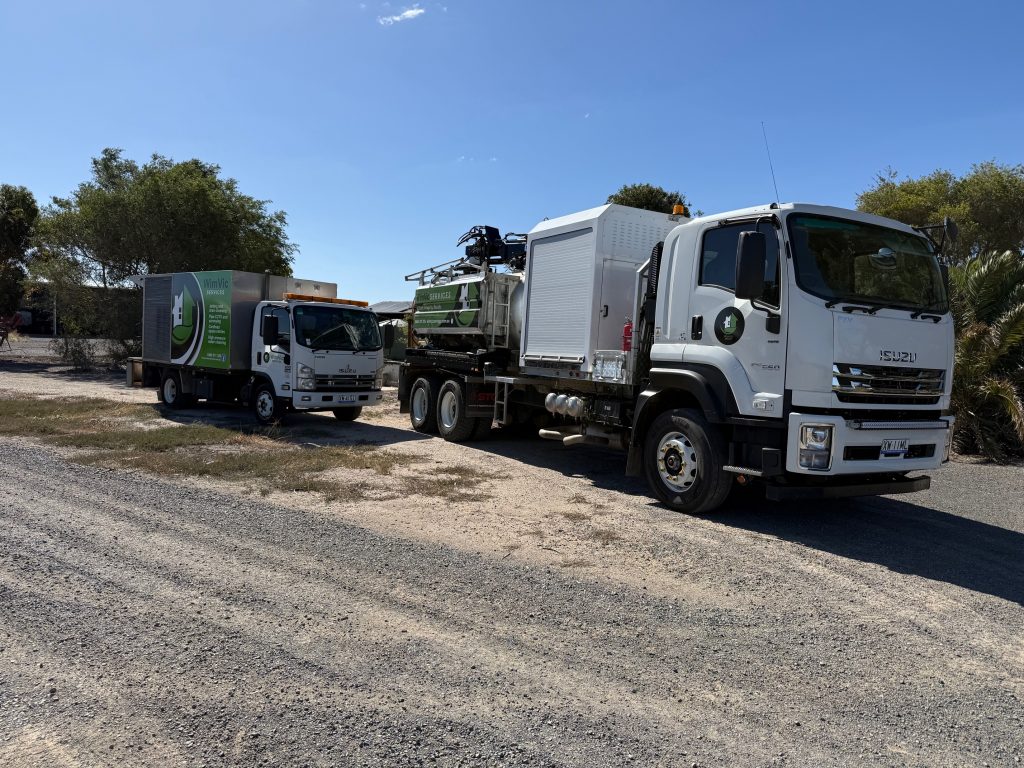
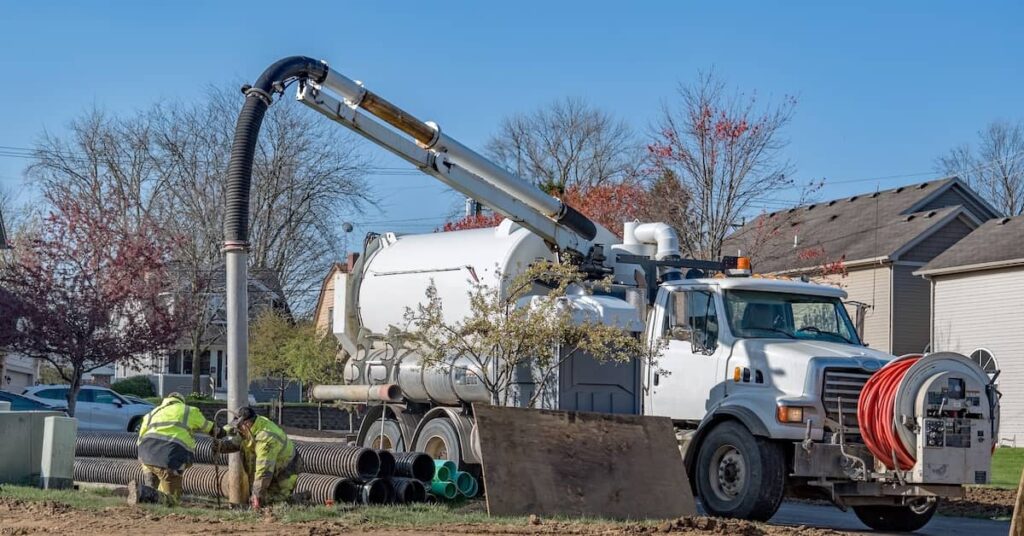
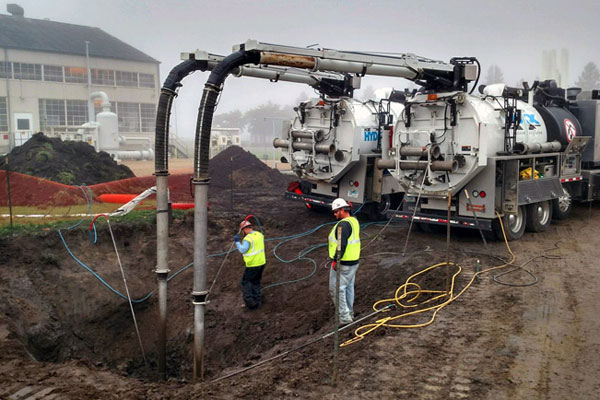
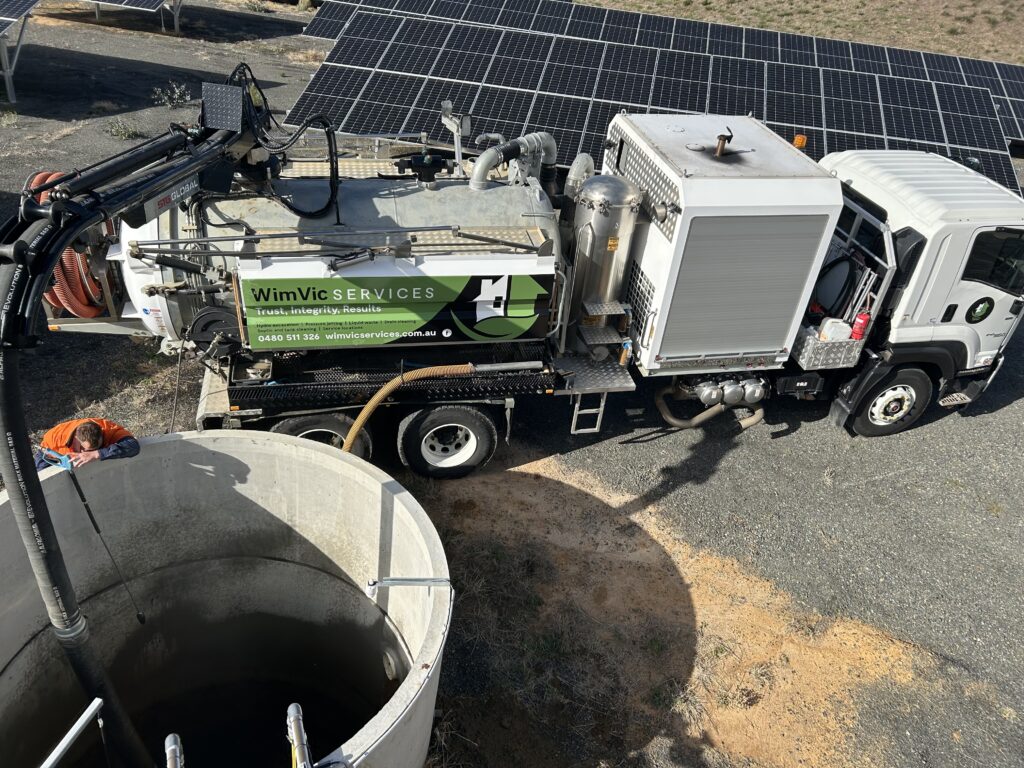
Hydrovac excavation in Western Victoria is nothing short of a game-changer. It’s faster, more precise and often safer than traditional digging – in fact, it’s described as a careful nudge to Mother Nature instead of a bulldozer’s shove. Imagine having to repair a buried water main or lay new fibre-optic cable in the countryside without ripping up the entire road. That’s where hydrovac (hydro excavation) comes in.  Think of it like a high-powered vacuum cleaner hooked to a water hose: it blasts away earth with pressurised water and immediately sucks up the mud into its tank, leaving the ground almost as neat as before. For perspective, it’s as if you were digging with a coffee straw instead of a backhoe – gentle, precise and surprisingly tidy. This high-tech method is catching on across Western Victoria (from Ballarat to Horsham) because it saves time, money and headaches. What Is Hydrovac Excavation? Put simply, hydrovac excavation (also called hydro excavation or vacuum excavation) is a non-destructive digging technique. A specialised hydrovac truck sprays high-pressure water into the ground to loosen soil while a powerful vacuum immediately removes the slurry into the truck’s debris tank. Because the soil is washed away rather than cut with sharp blades, crews can safely expose and uncover underground utilities – water pipes, gas lines, power cables, telecom fibres, sewer lines, and even tree roots – with surgical precision.  The process is surprisingly straightforward: the team first marks out the dig site and does a “Dial Before You Dig” check to locate utilities. Then one operator directs the water lance to break up the soil and another controls the vacuum hose to pull the slurry up. A savvy analogy often used is “hydrovac is like a juice-sucking straw for dirt” – it only takes what you target without disturbing the rest. This non-destructive approach means no surprise utility strikes and no need for guesswork: as the mud lifts away, you can literally see the buried cables or pipes come into view. How Does Hydrovac Excavation Work? In practice, a hydrovac truck on site is as simple as a plumber’s vacuum. It has a high-power water pump and a big holding tank. When the crew hits start, the hydro excavation process follows these steps: Because it uses water, hydrovac can dig right up to and around buried pipes and cables without damaging them. It literally gives crews a clear view of what’s underground – no blind digging. Often two people operate the truck together, controlling water and vacuum separately for maximum control. Even better, hydrovac trucks can often work from the street or yard’s edge, with booms and hoses reaching dozens of metres. This means if a dig site is fenced or a footpath is narrow, workers can still expose the utilities from outside the work area. Key Benefits of Hydrovac Excavation Hydrovac (hydro excavation) comes with a laundry list of advantages over shovels and backhoes. Here are the main perks: Feature Traditional Excavation Hydrovac Excavation Utility Risk High – digging blades can nick unseen cables/pipes Low – water pinpoints soil, avoiding cuts Worker Safety Moderate – crews near heavy machinery and spoil High – operators can stand back as water & vacuum do the work Precision Low – often digs large areas, imprecise High – targeted holes only where needed Environmental Impact Major – broad soil disturbance, erosion and waste Minimal – only local spoil, plants largely undisturbed Restoration Required Significant – roads/landscapes often need repair Minor – small hole to fill, surfaces quickly restored Hydrovac Excavation vs Traditional Digging Traditional excavation is often like using a bulldozer: it churns up large swathes of ground and risks hitting buried utilities. By contrast, hydrovac stays neat and tidy – “think of it as digging with a paintbrush instead of a bulldozer”. The table above highlights the key differences. In short, hydrovac is precision-based and much gentler on the site. It protects underground pipes and cables, keeps workers safer (no one needs to work under a swinging backhoe arm) and avoids the big mess a conventional digger makes. The payoff is a cleaner jobsite with fewer surprises and shorter cleanup. Applications in Western Victoria Across Western Victoria, hydrovac excavation has proven its worth on countless projects. Our region is crisscrossed by vital underground infrastructure – water mains to farms in Horsham, fibre-optic and power cables to towns like Ballarat and Hamilton, gas lines, and irrigation pipes under orchards. Hydrovac lets crews work on all of these without tearing up the neighbourhood. For example, a crew in Geelong (just outside our region) exposed a broken water valve using hydrovac “without shutting down the street for days”.  Even at local wind farms, technicians trenching power cables can dig with hydrovac and leave the countryside virtually unscarred. Council road crews and utility contractors in Ballarat, Warrnambool and beyond now often choose hydro excavation for roadworks, pipeline repairs and utility installs because it minimizes downtime and restoration. As one local specialist notes, whether you’re working in Ballarat or Warrnambool, using hydrovac “can save you time, money and a lot of hard work”.  In short, whether it’s exposing a fibre-optic cable under a main street or installing a new farm irrigation line, hydrovac is the go-to method across Western Victoria. Safety, Regulations and Best Practices Of course, any excavation – even hydrovac – starts with safety protocols. The most important rule in Australia is: always check before you dig. The national Before You Dig Australia (BYDA) referral service should be your first port of call for any excavation project. Submit your plan there, and they’ll notify utility owners and provide maps of buried assets.  This step is crucial to avoid accidental strikes. In Victoria, WorkSafe and Energy Safe also recommend establishing a “No Go Zone” – a safe buffer distance around any marked cables or pipes. Hydrovac fits this guideline perfectly, since you can operate the water lance from outside the danger zone. Additionally, local rules apply. In most Western Victorian councils, digging on

Road Sweeping
Blog

Why Road Sweeping Is Essential for Safe and Clean Roads in Western Victoria

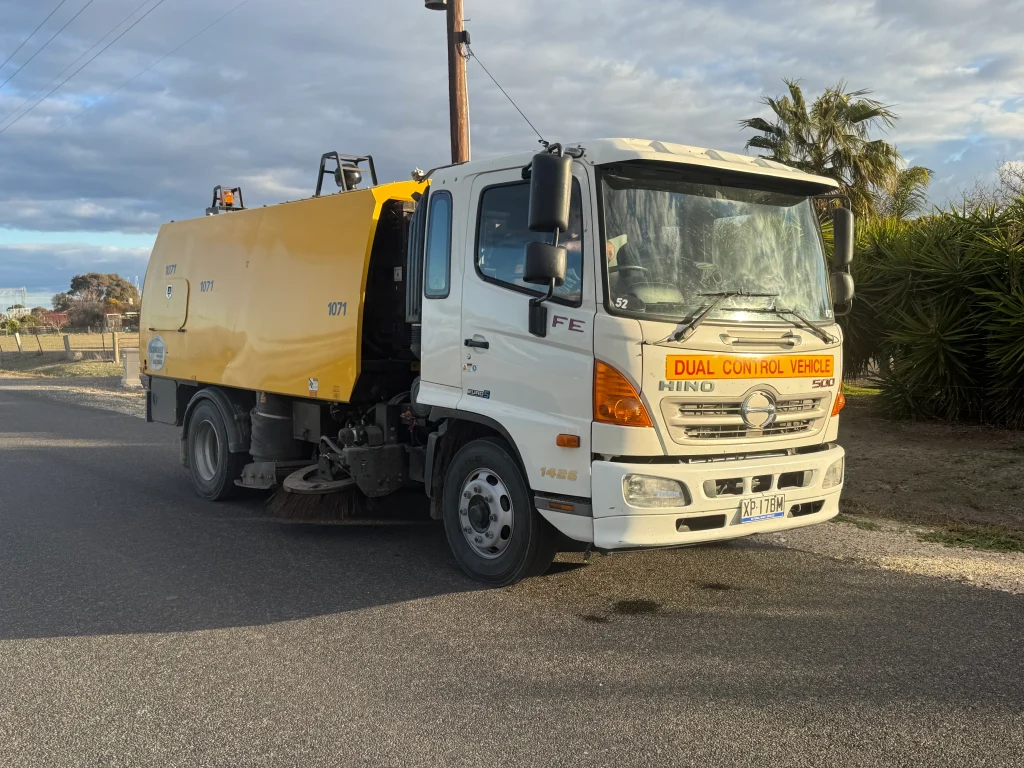
Picture yourself cruising down a country road at sunrise in Horsham or Ballarat – the air is crisp, but suddenly a cloud of dust billows up as a truck barrels by. In Western Victoria’s mix of dry plains and leafy streets, a layer of gravel, leaves or litter on the road can spell trouble. That’s where road sweeping steps in. It might sound mundane, but road sweeping is a vital part of keeping our local roads safe and clean. Clearing gutters, kerbs and pavements isn’t just about curb appeal; it prevents flooding after a rain, removes slippery hazards, and even keeps the air fresher. In fact, Victoria’s Department of Transport and Planning explicitly lists “cleaning gutters and removing litter” as routine road maintenance. In other words, sweepers are doing important safety work every time they roll through.   Western Victoria is vast – local councils here manage roughly 150,000 kilometres of roads. That’s most of our streets, from the little laneways in Ararat to the highways around Horsham. These roads collect mud, straw, and leaf litter from farms and streets alike. Without sweeping, drains clog, motorists skid on loose gravel, and dust fills the air. As one road-safety expert puts it, “Safe roads start with clean roads” – debris and dust on our streets can cause accidents and obscure road markings. By clearing debris before it piles up, sweepers help prevent punctures, skidding and even accidents for cyclists and cars. In short, a freshly swept road is one less hazard on your commute.    Street sweepers in action keep neighbourhood roads clear of dust, leaves and litter.   How Road Sweeping Improves Safety and Prevents Floods   Think of road sweeping as a frontline safety measure for our streets. Loose gravel, nails or broken glass on the road can puncture tires or send cars veering off course. Wet leaves and oil slicks can make surfaces as slippery as an ice rink. Regular sweeping removes these hazards before anyone gets hurt. It also helps paint stay visible: a clean road means lines and arrows remain clear for drivers and riders.   Another biggie is water. In Western Victoria, a summer downpour can suddenly turn a clogged gutter into a mini-flood. By whisking away leaves, twigs and litter, sweepers stop drains from backing up. In fact, every swept gutter is like an open valve for stormwater. When trash builds up, even a modest shower can flood roads and footpaths. So sweeping is essentially front-line stormwater management: clear drains mean water goes where it should, not on our windshields.   Sweeping also fights dust. In dry, windy seasons (common here), dust can spiral off dirt roads or paddocks and reduce visibility. Water trucks and vacuum-sweepers knock down dust at the source, keeping air cleaner. As one sweeping industry veteran notes, removing fine dust “keeps communities cleaner and more liveable”. Cleaner air means better health for everyone breathing in the Wimmera breeze.   Environmental and Community Benefits   Road sweeping isn’t just about preventing accidents – it’s about the whole environment. Debris on our streets doesn’t stay there. Every time it rains, mud and litter can wash into creeks, creeks into rivers, and rivers all the way to the bay. A swept street, by contrast, means fewer pollutants entering waterways. Many councils even schedule sweeps right before big rain seasons for this reason.   Keeping roads free from debris also helps reduce pollution entering local waterways and supports healthier urban environments. The Australian Government – Department of Climate Change, Energy, the Environment and Water provides information on protecting water quality, managing waste, and improving environmental outcomes through responsible land and infrastructure management. Regular road sweeping plays an important role in supporting these goals by preventing litter and sediment from being washed into drains and natural waterways.  Clean streets also improve public health. Piled-up organic waste – think leaf litter after autumn – can become a breeding ground for mosquitoes or fungi. By clearing it away, sweepers help curb pests and mold. Even roadside algae and weeds get less chance to trip up a cyclist or toddler. And on a lighter note: let’s be honest, nobody likes chomping dust on a summer picnic. Sweeping helps keep dust levels down, so that our little ones and pets can play safely at the park without a sandstorm.   Finally, there’s pride in appearance. Tidy, well-maintained roads make Western Victorian towns look cared-for. A nice-looking street even feels safer. But beyond looks, removing grit and sand prolongs the life of the pavement. Abrasive dust can literally grind down asphalt and tyres. By sweeping it away, councils save on potholes and repaving costs later on. Every dollar spent on sweeping is an investment in preventing bigger road repairs (and headaches) down the line.   Street Sweeping Services: What They Include   Most Western Victorian councils and contractors offer comprehensive street sweeping services. These usually cover: kerb and gutter cleaning, debris vacuuming, and even flushing to knock dirt free. Some key offerings are:   Residential Street Sweeping: Regular passes through neighbourhoods keep suburban streets clear of leaf litter and grit.   CBD and Commercial Sweeping: Busy shopping strips often need daily sweepers and litter pickers to maintain a clean, welcoming vibe.  Seasonal Leaf Removal: In autumn, extra crews might focus on sweeping gum leaves before they turn into slip hazards.   Stormwater Pit Cleaning: This goes hand-in-hand with sweeping. Specialized trucks can vacuum out drains and pits to keep water flowing.   Rapid Response Sweeps: After big storms, festivals or sporting events, extra sweepers can be called in to tackle the mess.   Many companies (like ours at WIMVIC Services) provide road cleaning services that scale to the client’s needs. For example, after roadworks or a parade, a contractor might send in a sweeper with water jets and vacuum nozzles to handle the extra muck. These modern machines can even recycle their wash water and use filtered air blasts to deep-clean surfaces. In practice, you’ll see street sweepers rolling through in the wee hours – the rhythm of a short course on one side, then the

Environmental Waste Services
Blog

The Complete Guide to Environmental Waste Services in Western Victoria

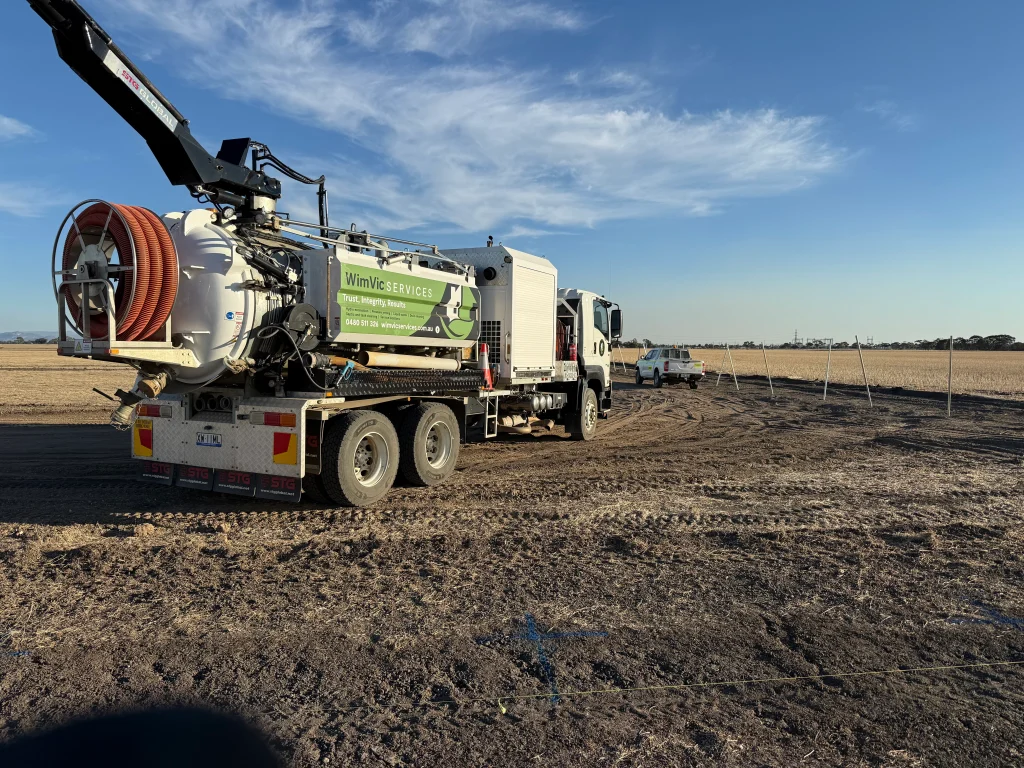
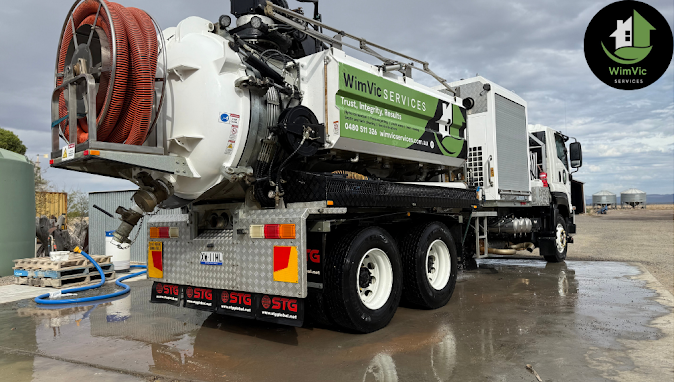
Ever wondered what happens to the trash you throw out? In Western Victoria – from rustic farmsteads to regional towns like Horsham and Ballarat – keeping our environment clean is a big deal. We Aussies pride ourselves on wide open spaces and fresh air, so we tend to notice it if rubbish piles up.  It’s a dirty job (literally), but someone’s got to do it – and that someone is often an environmental waste service provider. In this guide, you’ll discover how waste management works in Western Vic, why it matters, and what choices we have to stay eco-friendly while getting rid of waste. Environmental waste services cover everything from waste collection services and kerbside bin collection to industrial hazardous disposal, helping businesses and households manage waste responsibly. They follow strict rules to protect land and water. For example, EPA-licensed providers must handle hazardous materials like chemicals or asbestos safely. By law in Victoria, only a licensed company can transport and dispose of regulated waste.  That means, whether it’s a grease trap in a cafe or a big truckload of contaminated soil, you need experts with the right credentials. And thanks to national policies aiming for a circular economy, we all play a part. The Australian Government’s National Waste Policy (2018) stresses avoiding waste, boosting recycling, and managing materials for health and environment. In other words, it’s not just about chucking rubbish in a hole – it’s about closing the loop on resources. What Are Environmental Waste Services? Imagine you run a café in Horsham. Every day your business generates grease, food scraps, cardboard boxes and maybe a bit of general rubbish. Those items need a proper home. Environmental waste services are the companies and systems that collect, treat, recycle or dispose of those materials so they don’t harm the environment. It’s not just about wheelie bins – it’s about managing everything from household garbage to industrial chemicals.This includes waste collection services such as bin pickups and transfer stations, along with waste management services like recycling facilities, resource recovery centres, and landfill operators. In Western Victoria, environmental waste management involves handling waste from farms, factories, shops, and households across a large regional area while ensuring environmental compliance and sustainability. Rural shires and towns often run transfer stations or landfills. For instance, Horsham Rural City Council manages several drop-off points and the Dooen Landfill for the region. Councils set rules and fees so that common items (general waste, green waste, steel, glass, etc.) can be discarded responsibly.  They also handle recycling (yellow lid bins) and organic waste (green bins). But not everything goes to the council. Commercial waste services step in for businesses by providing skip bins, compactors, recycling solutions, and regular waste collection services for rubbish and recyclables. On a personal level, your everyday waste (newsprint, food scraps, plastic bottles) is part of the municipal solid waste stream. Local councils give households bins, run recycling programs, and even offer special collections for e-waste or hazardous items. For example, many councils allow free drop-off of batteries or free recycling of sorted glass and steel.  On the flip side, items like used motor oil or treated timber must go to designated facilities, because they could leach toxins otherwise. Environmental waste services tie it all together – from the big-picture regulations down to the bin in your kitchen. Household and Commercial Collection Services So how does your rubbish actually get collected in Western Vic? On the household side, local councils usually handle kerbside bins and drop-off facilities. In rural areas around Horsham, for example, the council provides weekly or fortnightly bin collection schedules and runs transfer stations for locals to bring bulk rubbish. They also recycle special items for free – sorted paper, glass, e-waste and so on.  If you live in a smaller town, you might drive to a nearby tip to dump green waste or old furniture. Got a mattress or bulky item? There are set fees at places like Dooen Landfill ($40–$50 for mattresses), or even free community clean-ups a few times a year. Commercial properties and businesses often rely on commercial waste services from private contractors to manage higher waste volumes and specialised waste streams. A cafe or factory might pay for a skip bin or a larger council-commercial service. These businesses generate more waste or special types (like cooking oil or construction debris), so they can’t rely on the standard small-wheelie-bin pickup. Companies like Westonvic Waste in Horsham specialise in this area. Westonvic, a 30-year-old local business, rents out skips and wheelie bins (1.5m³ to 15m³ sizes) for commercial, industrial and household waste.  They even have an EPA license to carry “prescribed industrial waste” (e.g. asbestos or contaminated soil). That highlights a comprehensive network of waste collection services, including residential pickups by councils and commercial waste services such as skip bin hire and compactor solutions provided by specialist companies. Today’s waste services also include source-separated collections. You might have multiple bins: one for general waste (red lid), recycling (yellow), and food/garden organics (green lid, FOGO). Some councils let businesses opt into extra bins, like Merri-bek allows cafes to join their organics program if they do a lot of food prep.  Meanwhile, commercial contractors pick up from restaurants and shops those bins, plus any extra bins they need. And importantly, a lot of the trucks you see on the road now are modern and environmentally-minded. For instance, fleet vehicles like WIMVIC’s STG vacuum truck (pictured below) use enclosed systems to prevent leaks and dust during waste transport, making collections cleaner and safer. Western Vic’s waste services rely on modern fleets. WIMVIC’s EPA-licensed vacuum truck (above) hauls liquid waste and sludges safely to disposal facilities. In short, whether it’s your kitchen bin, a shop’s dumpster, or a drilling site’s oily water, waste collection is handled systematically. You drop stuff in the right bin or bring it to a tip, and licensed companies cart it off. Households usually deal with their council. Businesses call in private operators. And everyone’s working

Why High-Pressure Jetting Is Popular for Drain and Pipe Cleaning in Western Victoria
Blog

Why High-Pressure Jetting Is Popular for Drain and Pipe Cleaning in Western Victoria

A blocked drain has a funny way of showing up at the worst possible time. One minute, everything seems fine. Next, water starts pooling, strange smells creep in, and a sink or toilet decides to stop cooperating. Across Western Victoria, this is not exactly rare. Homes, businesses, farms, and industrial properties all deal with drainage issues, and the solution has changed a lot over the years. Traditional methods once did the job, but they often worked like a temporary bandage. The blockage disappeared for a while, only to come back later. That’s one reason drain and pipe cleaning has moved toward smarter and more effective methods. One technique keeps standing out: high-pressure jetting. Let’s look at the practical side of why this gear is so popular. No property owner wants to deal with a destroyed yard or keep paying callout fees for the exact same stubborn blockage every three months. Opting for drain and pipe cleaning backed by advanced water jetting delivers a spotless line without digging up your driveway, making it the smartest choice for stubborn blockages.  The ground conditions out here don’t help either. Western Victoria’s mix of historic regional towns, old farmhouse plumbing, commercial sites, and harsh weather shifts creates a perfect storm for your drainage. Over the years, lines choke on heavy mud, aggressive roots, mineral scale, and grease. A basic plumbing snake might poke a temporary hole through the mess, but the whole line needs a proper scrub if you want it to last.  Why Regional Drain Systems Fail More Often Than Expected Regional plumbing systems often deal with a strange mix of problems that city property owners don’t always face in the same way. Older clay pipes, uneven gradients, root intrusion, sediment, and decades of internal build-up can create slow failures that only become obvious once the blockage becomes severe. That is why drain and pipe cleaning in Western Victoria often needs a more aggressive approach than simple clearing. A lot of homeowners assume a pipe is fine if water eventually drains away. That assumption causes repeat callouts because partial flow does not mean the line is clean. In practical plumbing work, drain and pipe cleaning is often delayed until the symptoms become disruptive, by which point sludge, grease, or root debris may already be restricting most of the internal pipe diameter. There is also the issue of hidden deterioration. Cracked joints, shifted sections, and years of internal residue can work together to create recurring failures. That is why proper drain and pipe cleaning, often involving high-pressure drain jetting, is less about clearing one blockage and more about restoring usable internal flow before the system starts failing more dramatically.  Traditional Drain Clearing vs High-Pressure Jetting  Feature Traditional Methods High-Pressure Jetting Clears blockage Yes Yes Cleans pipe walls Limited Yes Removes grease Partial Excellent Handles roots Limited Strong Eco-friendly No Yes Reduces recurring clogs Moderate High Suitable for emergency drain cleaning Sometimes Highly effective How drain and pipe cleaning Fixes Recurring Blockage Issues Recurring blockages usually have a pattern. A plumber clears the immediate obstruction, the sink starts draining again, and everyone assumes the problem is solved. A few months later, the same drain slows down, and another service call is booked. That cycle happens because drain and pipe cleaning is not the same as simply punching a hole through a clog. Mechanical tools can create temporary flow, but residue often stays attached to the pipe wall. Grease, soap scum, sludge, and food waste become a sticky foundation for the next blockage. In field conditions, and in accordance with local drainage standards and plumbing regulations, drain and pipe cleaning works best when the internal walls are actually flushed clean rather than partially opened.  A common mistake is chasing the cheapest quick fix instead of solving the underlying build-up issue. That often means paying for repeat plumbing visits. Proper drain and pipe cleaning can cost more upfront in some cases, but repeated temporary clearing usually becomes more expensive over time. Hydro Jetting Works Well for Many Pipe Types One reason hydro jetting is so widely used in Western Victoria is its versatility. It can assist with: When used correctly by professionals, high pressure drain cleaning can remove blockages while cleaning pipe interiors effectively. Tree Roots Keep Exploiting Weak Underground Pipe Joints Tree roots are one of the most persistent drainage problems in regional properties because they do not need a large opening to get inside a pipe. A small crack, a weak joint, or a shifted connection is often enough. Once roots enter, they trap waste and begin restricting flow. That is why drain and pipe cleaning often involves dealing with root debris as much as sludge. Many property owners underestimate how quickly roots return after basic cutting. A mechanical blade may clear a path through them, but if residue remains in the pipe, roots and debris can begin causing problems again surprisingly fast. Effective drain and pipe cleaning often works better because flushing removes loosened material instead of leaving it behind. There is a trade-off, though. If roots have badly damaged the pipe structure, cleaning alone is not a permanent answer. That is where unrealistic expectations become costly. Some owners keep paying for temporary clearing when structural repair would have been the smarter long-term choice. Grease Sludge And Scale Build Up Quietly Over Years Grease is deceptive because it builds slowly. A little residue sticks to the pipe wall, catches more waste, hardens, and gradually reduces flow. Kitchens see this often, but bathrooms and laundry drains collect their own forms of sludge, too. That hidden build-up is one reason drain and pipe cleaning has become more specialised. Silt and sediment do the exact same damage to your stormwater setups. Dirt, rotting leaves, and gravel washed off your driveways settle into the bends and pack down like concrete. Most people ignore their outdoor grates until the garage completely floods during a downpour, but regular drain and pipe cleaning is supposed to stop that crisis before

Industrial Drain Cleaning
Blog

Industrial Drain Cleaning in Western Victoria Guide

Industrial Drain Cleaning for Busy Sites Industrial sites across Western Victoria rarely slow down. Trucks move constantly through loading zones, machinery runs for long hours, and stormwater systems deal with changing weather conditions throughout the year. Behind all this activity, drainage infrastructure quietly keeps operations moving. When those systems begin struggling, however, the effects can spread across an entire site very quickly. That is why industrial drain cleaning has become such an important part of modern site maintenance. Unlike residential drainage issues, industrial problems usually build up over time under constant pressure. Grease, sediment, chemical residue, mud, and construction waste slowly collect inside underground systems until water flow becomes restricted. Many businesses only notice the problem once drains overflow, odours appear, or operations become disrupted during a busy period. Across Western Victoria, industrial growth continues pushing older drainage systems harder than before. Civil construction projects, transport depots, manufacturing facilities, and processing plants all depend on reliable underground infrastructure every single day. Instead of waiting for a major blockage, many operators now focus on preventative maintenance to avoid downtime, safety risks, and expensive repairs later. Commercial Drain Cleaning Challenges Industrial and commercial facilities deal with far heavier drainage demands than most people realise. Large volumes of water, waste, grease, and sediment move through underground systems every day. Over time, this pressure begins to affect pipe performance, especially across older sites or facilities operating around the clock. This is where industrial drain cleaning becomes essential for keeping operations stable and reducing unexpected disruptions. Many sites across Western Victoria face drainage pressure during heavy rainfall periods, major construction activity, or peak production seasons. Industrial facilities across Ballarat, Geelong, and regional Western Victoria often experience additional drainage pressure during heavy seasonal rainfall and large-scale construction activity. Some of the most common drainage issues include: These problems rarely stay small for long. A blocked drain near an active worksite can affect vehicle access, create safety hazards, or interrupt production schedules. Many businesses now schedule routine inspections because preventative maintenance is usually far less disruptive than emergency repairs. Blocked Industrial Drains Warning Signs Industrial drainage systems usually show small warning signs before a major failure occurs. The challenge is that these early signs are often ignored because operations still appear manageable at first. Over time, however, minor drainage issues can turn into expensive infrastructure problems. Recognising the early symptoms of blocked industrial drains gives businesses the chance to respond before productivity suffers. Early industrial drain cleaning support can also help prevent long-term underground damage. Warning Sign Possible Cause Operational Risk Slow drainage Sediment or debris build-up Water pooling near work zones Strong odours Organic waste accumulation Unsafe working conditions Gurgling pipe sounds Restricted airflow in drains Increased blockage pressure Overflow near grates Stormwater obstruction Flooding during rainfall Recurring backups Damaged underground pipework Expensive emergency repairs Wet patches around site Underground pipe leakage Soil instability and hazards Facilities handling liquid waste or operating heavy machinery should monitor drainage performance closely. Even a small blockage can place extra pressure on underground pipes and eventually lead to cracking or system failure. Regular industrial drain cleaning helps businesses identify these issues early and maintain safer underground infrastructure.  Modern inspection technology now allows contractors to identify hidden drainage problems without large excavation work. This helps businesses respond earlier while keeping disruption to a minimum. Industrial Drain Services That Matter Drainage maintenance has changed a lot during recent years. Older methods often focused on temporary fixes, but today’s industrial sites require faster, cleaner, and more reliable solutions. Professional industrial drain services now combine preventative maintenance with advanced diagnostic equipment and specialised cleaning methods. Modern industrial drain cleaning involves much more than removing a blockage from one section of pipe. Many facilities across Western Victoria now rely on complete drainage management strategies to protect underground infrastructure and reduce operational downtime. Effective drainage maintenance often includes: Industrial worksites also require contractors who understand environmental obligations and site safety procedures. This is especially important across civil construction projects and manufacturing facilities where underground systems operate under constant pressure. Proper drainage and liquid waste management also help industrial sites maintain compliance with Victorian environmental and stormwater management requirements. Western Victoria’s changing weather conditions can also place additional strain on drainage infrastructure. Scheduled servicing helps businesses avoid major disruptions while improving the lifespan of underground systems. High Pressure Drain Cleaning Benefits Industrial drains collect far more than wastewater. Over time, sludge, hardened grease, sediment, and construction debris begin sticking to internal pipe surfaces. Standard clearing methods often remove only part of the blockage, allowing the problem to return not long afterwards. This is why high pressure drain cleaning has become one of the most effective solutions for industrial facilities and civil worksites. Combined with professional industrial drain cleaning, high-pressure water jetting clears stubborn build-up while cleaning the inside of the pipe at the same time. For busy industrial operators, this approach offers several practical advantages. Drainage systems return to proper flow faster, recurring blockages become less common, and maintenance work can often be completed with minimal disruption to daily operations. The process is also widely used before CCTV inspections because cleaner pipelines provide clearer imaging results. This allows contractors to identify cracks, corrosion, or structural weaknesses before they become larger infrastructure problems. Across Western Victoria, high-pressure cleaning has become increasingly important for sites managing liquid waste, stormwater systems, and heavy operational runoff. Why Industrial Pipe Cleaning Matters Many industrial businesses naturally focus on visible infrastructure such as machinery, loading equipment, and production systems. Underground drainage networks, however, are often overlooked until something stops working properly. Unfortunately, by that stage, repairs are usually more expensive and disruptive. Professional industrial pipe cleaning improves water flow, reduces internal pressure, and helps underground systems operate more efficiently. Regular industrial drain cleaning also lowers the risk of long-term pipe damage across demanding industrial environments. Different industries create different drainage challenges. Manufacturing facilities may deal with chemical residue, while civil construction projects often produce sediment-heavy runoff. Food processing sites commonly experience grease

Complete Guide to Gutter Cleaning Services in Western Victoria
Blog

Complete Guide to Gutter Cleaning Services in Western Victoria

Western Victoria homes deal with changing weather patterns all year. One week brings dry winds across open landscapes, while the next delivers heavy rain, pushing debris into every roof channel. Because of this, gutter cleaning services are no longer treated as occasional property maintenance. They have become an important part of protecting homes, sheds, warehouses, and commercial sites across the region. Leaves, dirt, nesting materials, and mud quietly collect inside gutters over time. Most property owners only notice the problem after water begins spilling over the roof edges or staining the exterior walls. In older properties throughout Western Victoria, blocked drainage systems can even affect foundations and internal ceilings. Small issues grow quickly when gutters remain neglected for long periods. Modern property maintenance is shifting toward preventative care rather than reactive repairs, helping property owners and managers feel confident in safeguarding their assets through practical maintenance schedules that reduce unexpected costs and minimise property disruption. Well-maintained gutters support cleaner exteriors, better drainage, and improved long-term building protection, without requiring expensive structural repairs later. Why Roof Drainage Fails Fast Many properties in Western Victoria sit close to large trees, open farmland, or dusty roadside areas. This environment creates constant debris movement during windy seasons. Even newer homes experience drainage build-up faster than expected, especially after storms or dry summer periods. Several overlooked factors usually contribute to drainage failure: Commercial operators often underestimate how quickly these issues develop. Regular gutter cleaning services provide ongoing protection, preventing minor issues from becoming costly repairs. Scheduling seasonal maintenance ensures affordability and consistent property protection, reducing unexpected expenses. Professional Gutter Cleaning Services Benefits Professional gutter cleaning teams prioritise safety and thorough inspections, giving property managers peace of mind in protecting their assets and ensuring safe access during maintenance. Key advantages include: Professional gutter cleaning services also help commercial properties maintain presentation standards. Overflow stains, moss growth, and damaged gutters affect how industrial and business sites appear to customers, tenants, and visitors. Clean roof drainage improves both functionality and street appeal. Many Western Victoria property owners now schedule seasonal maintenance before winter arrives. Preventative servicing reduces emergency callouts during storms and the likelihood of internal water damage. Gutter Maintenance Services Seasonal Planning Weather conditions across Western Victoria change dramatically between seasons. Well-planned maintenance schedules that account for these environmental shifts help property owners stay proactive, reducing the risk of costly repairs and ensuring effective year-round drainage. Season Common Gutter Issue Recommended Action Summer Dust and dry leaf build-up Remove debris before storm season Autumn Heavy leaf accumulation Full gutter and downpipe cleaning Winter Overflow during rainfall Inspect drainage performance Spring Nesting materials and seeds Clear early growth and blockages Well-planned gutter maintenance services improve drainage efficiency year-round. They also reduce pressure on roofing systems during extreme weather conditions. Regular gutter cleaning services help prevent seasonal drainage pressure from building across large residential and commercial properties. Properties surrounded by eucalyptus trees often require more frequent cleaning because the oils and fine leaves create a dense buildup in gutters. Coastal winds across some Western Victoria areas can also carry sand and debris into roof drainage systems. Large rural properties, industrial facilities, and commercial warehouses especially benefit from planned seasonal maintenance, as their roof surfaces collect far more debris than those of standard suburban homes, making tailored maintenance essential. Ignoring seasonal maintenance usually leads to larger repair costs later. Water rarely stays contained once drainage pathways become blocked, particularly during heavy rainfall periods common across Western Victoria. Hidden Costs Behind Overflow Damage Many people delay maintenance because gutters appear minor compared with other building systems. However, overflowing water creates some of the most expensive hidden property problems over time. Water escaping from blocked gutters slowly damages surrounding materials. Timber fascia boards absorb moisture first, followed by external walls, insulation, and internal ceilings. In commercial properties, prolonged moisture exposure can also affect electrical systems and storage areas. According to Australian building maintenance guidelines, roof drainage systems should remain clear and functional to help prevent water overflow that may contribute to structural deterioration and property damage. Neglected drainage systems often require replacement of ceiling plaster, exterior repainting, timber restoration, mould treatment, and even foundation moisture management. These repairs often become far more expensive than regular maintenance appointments, especially when problems remain hidden for months. Emergency repairs usually cost significantly more because contractors must respond quickly during severe weather conditions. A relatively small blockage can eventually result in thousands of dollars in structural repairs if left unaddressed over multiple storm seasons. This is why many building managers now view gutter cleaning services as Preventative asset protection rather than simple cleaning. Blocked Gutter Cleaning During Storm Season Storm season changes how drainage systems behave. Gutters that appear functional during dry weather may completely fail once heavy rainfall begins. Sudden water overflow often catches homeowners off guard because blockages remain hidden until heavy rain exposes them. Professional gutter cleaning services become especially important before severe weather periods across Western Victoria. Fast-moving rainwater needs clear pathways to move safely away from roofing systems. When debris blocks those channels, water backs up quickly under the roof edges. During late autumn across Western Victoria, wet eucalyptus leaves often compact tightly inside commercial downpipes after overnight storms, creating dense blockages that restrict drainage during heavy rainfall. Many early warning signs indicate gutters may already be struggling. Water spilling over gutter corners, sagging sections, staining near roof edges, plant growth inside channels, damp walls after storms, and slow downpipe drainage all suggest developing blockages that require immediate attention. Modern cleaning equipment now allows professionals to remove compacted debris more efficiently without damaging roofing materials. Vacuum systems, pressure flushing, and detailed inspections help identify issues early before major weather events arrive. Property owners managing large sheds or commercial facilities should pay extra attention before winter storms. Wide roof surfaces collect significantly more debris and water than smaller residential structures, increasing the risk of overflow during heavy rainfall. Emergency Gutter Cleaning After Heavy Rain Extreme weather can overwhelm even well-maintained drainage

Gutter Cleaning Services in Western Victoria
Blog

Gutter Cleaning Services in Western Victoria: Costs, Benefits & Expert Tips

Leaves have a habit of piling up way faster than you’d think, especially when the wind picks up. Your roof edges just sit there collecting gunk until the damage starts to get serious. That slow buildup is exactly what leads to massive repair bills later on. On the flip side, keeping things clear protects your whole house and keeps the water flowing where it should. Down here in Western Victoria, the shifting weather means you really can’t skip out on upkeep. It’s a small task that most people forget about, but the impact is huge. Reliable Gutter Cleaning Services takes the risk out of the job and keeps your roof in much better shape. Plus, staying on top of it stops water from overflowing and wrecking your foundation. Most folks would rather have a pro handle it than risk a DIY fall. Safety is the big one, but getting the job done right matters just as much. If you take the right approach, your home stays a lot cleaner and safer all year round. This guide is a quick look at the costs, the perks, and the best ways to keep your gutters working perfectly. Understanding Gutter Cleaning Services in Western Victoria Gutter Cleaning Services are actually vital for keeping your whole building solid. When debris builds up, it chokes the water flow and puts a ton of pressure on the actual gutters. Eventually, that turns into leaks and structural rot. Because of the seasons in Western Victoria, you really need to be cleaning them out regularly. Professional gutter cleaning services can tackle those tricky spots with real precision. Skilled crews bring the right tools to give everything a deep clean and a proper look-over. Residential gutter cleaning is a top pick for homeowners who want to make sure their place is protected for the long haul. Most roof gutter cleaning services don’t just clear out the leaves; they handle small repairs, too. That extra help ensures everything is actually working right. The local gutter cleaners Western Victoria have on hand really know the local weather issues, so they provide the kind of specific solutions that get the best results. Cost Breakdown of Gutter Cleaning Services What you’ll pay depends on how big the house is, how messy the gutters are, and how hard they are to reach. But honestly, spending a bit on routine cleaning saves you a fortune in the long run. The price usually just comes down to how much work is involved and the safety gear needed. Property Type Average Cost Range Service Frequency Small Homes $100 – $180 Twice a year Medium Homes  $180 – $300 Twice yearly Large Properties  $300 – $600 Quarterly A few things go into the quote, things like how high the roof is, how much gunk is in there, and how complex the layout is. Plus, professional gutter cleaning services usually do a quick inspection while they’re up there. That adds a lot of value without making the price jump up much. You can definitely find affordable gutter cleaning Western Victoria options if you look around. Just remember that getting a quality job done should always come before finding the absolute lowest price. Benefits of Professional Gutter Cleaning Services Keeping your gutters clear has a massive impact on how safe and valuable your house is. Regular maintenance stops water from spilling over and soaking into your foundations. Because of that, you’re cutting down on structural risks by a huge margin. Professional gutter cleaning services make sure your drainage is actually working. That stops water from sitting still and causing mold to grow all over the place. Moreover, residential gutter cleaning extends the lifespan of roofs. Another advantage involves pest prevention. Gutters full of gunk are basically an open invitation for bugs and rats. Keeping the system clean is the best way to keep those pests away. The local gutter cleaners Western Victoria offers bring the right experience and specific gear to the job. It means you get a deep clean without accidentally wrecking your gutters. Plus, the safety factor is huge; climbing onto a roof without the right training is how accidents happen.  Following roof safety and working at heights guidelines can significantly reduce risks and ensure safer maintenance practices, especially during routine gutter inspections and cleaning tasks. Expert Tips for Maintaining Clean Gutters Looking after your gutters is all about being consistent and paying attention. A little bit of effort now stops those massive repair jobs later on. A smart maintenance plan makes the whole system last longer and work better. A lot of the time, roof gutter cleaning services will spot early signs of wear and tear. Being proactive like that saves you money and stops an emergency from happening in the middle of a storm. Choosing the Right Gutter Cleaning Services Provider You’ve got to be careful about who you hire. Reliability and experience are worth way more than just the lowest price tag. Any professional gutter cleaning services you use should be upfront about their prices and exactly what they’re going to do. Looking for certifications and safety rules is a good way to gauge quality. The local gutter cleaners Western Victoria provides can usually get to you much faster, which is a big deal if you’ve got an urgent problem. Good reviews and a solid guarantee are what build real trust. Plus, having a team that can work around your schedule makes things a lot easier. Residential gutter cleaning services really should be matched to what your specific house needs. Signs That Indicate Immediate Gutter Cleaning If you ignore the early hints that something is wrong, you’re looking at an expensive fix. Moving fast stops long-term damage and keeps your house solid. If you see water spilling over when it rains, you’ve got a blockage. If the gutters look like they’re sagging, they’re probably full of heavy wet debris. If you actually see plants growing up there, it’s definitely been too long. Cracks or

High Pressure Drain Cleaning vs Traditional Methods
Blog

High Pressure Drain Cleaning vs Traditional Methods: What Actually Works Better?

Drain trouble rarely starts with drama. It usually begins with a slow sink, a shower tray that holds water, or a strange smell near the grate. Left alone, those early signs can turn into overflow, property damage, and expensive repairs. That is why many owners across Western Victoria now look beyond quick fixes and choose high pressure drain cleaning when problems arise. Older methods still have their place, especially for simple, small clogs. However, many property owners and professionals want results that last longer than a few days or weeks, with cleaner pipes and fewer repeat callouts. With tree roots, grease build-up, ageing lines, and stormwater debris common in regional areas, choosing the right method can save time, money, and ongoing frustration, and support more reliable, long-term solutions. Why Deep Pipe Cleaning Wins Some older clearing tools create a small path through the blockage so water can move again. While that may seem successful at first, debris often remains stuck to the inner wall of the pipe. Grease, soap residue, and compacted waste can quickly catch fresh material, recreating the same problem. That is where high pressure drain cleaning delivers stronger results. Many property owners worry about pipe damage, but when handled by experienced technicians, the process is safe and controlled. Instead of punching a single hole through the obstruction, water jets scour the line, flushing loosened debris from the system. The process focuses on cleaning rather than simply reopening the flow, which often makes it a stronger long-term solution. Key benefits include: For homes and businesses with recurring issues, the deeper clean often provides better value than repeated temporary fixes. While high pressure drain cleaning may have a higher upfront cost, it reduces the need for frequent callouts, saving money and time in the long term. Traditional Drain Cleaning Methods Compared Conventional methods still work in the right circumstances. A nearby sink blockage or a minor bathroom line issue may not require advanced equipment. In those cases, older tools can restore function quickly at a lower immediate cost. Method How It Works Best For Limitation Manual Rodding Pushes or breaks blockage Simple local clogs Limited reach Electric Snake Rotating cable opens path Hair and minor obstructions Leaves residue Chemical Cleaners Dissolves some waste Light sink build-up May affect pipes Excavation Replaces damaged line Collapsed drains Expensive and disruptive Water Jet Cleaning Cleans pipe walls Grease, roots, sludge Needs operator skill Each option suits a different situation, but when heavy residue is involved, many owners eventually move toward traditional drain cleaning methods only as a short-term step. Why Experience Still Matters Equipment alone does not guarantee a good result. Different drainage systems need tailored handling. Skilled technicians can accurately assess the problem and deliver effective, safe solutions, giving property owners confidence in the service. They can identify whether roots, poor fall, pipe damage, or accumulated waste are causing the issue. In many cases, CCTV cameras are used to confirm the real cause before work begins. Across Australia, drainage maintenance and associated plumbing work should align with applicable licensing rules, local authority requirements, and recognised standards under the National Construction Code and relevant AS/NZS plumbing provisions where applicable. That experience becomes especially valuable when using high pressure drain cleaning, because pressure settings, nozzle choice, and pipe condition all influence the outcome. The right operator can clean effectively while protecting ageing infrastructure, including clay, PVC, and older pipe materials. Across Western Victoria, that often saves owners from repeat costs and unnecessary damage. Rural Properties Need Smarter Solutions Regional sites often face drainage challenges not seen on compact suburban blocks. Long pipe runs, leaf litter, mud, tree roots, and heavy rain can place serious strain on drains across farms, sheds, workshops, and acreage homes. When problems develop over long pipe runs in rural sites, spot treatments may only address one section, while build-up persists elsewhere. High pressure drain cleaning can thoroughly reset larger systems, preventing costly stormwater overflows and access issues. Water jetting can travel farther through the network and clear compacted debris from multiple areas in a single service. This makes it practical for stormwater lines, machinery wash-down zones, yard drains, and larger residential properties. Preventing a wet-season overflow or access issue can easily outweigh the cost of planned maintenance. Traditional Drain Cleaning Methods Still Useful Modern solutions are effective, but older approaches should not be set aside entirely. Some blockages are small, close to the fixture, and simple to clear. In those cases, basic tools may be the fastest and most sensible first step. A bathroom basin with hair build-up, or a laundry line with light lint build-up, may respond well to cables or manual tools. These methods can also provide temporary relief when owners need basic use while larger repairs remain on the schedule. Still, the limits should be clearly understood. Many traditional tools reopen flow without removing all residue. If the same drain blocks again soon after service, high pressure drain cleaning may be the better next move, as it addresses deeper build-up rather than just surface symptoms. What Actually Works Better Long Term Short-term prices can be misleading. A cheaper service repeated three times may cost more than one effective visit completed properly. That is why long-term performance matters more than a single invoice. Pipes that remain coated in grease, sludge, or scale usually block again sooner. By comparison, cleaner internal surfaces allow water and waste to move more freely. This reduces the chance of fresh material catching in the same trouble spots. For that reason, many owners find high pressure drain cleaning offers greater value over time. Homes experience fewer emergency callouts, businesses experience fewer interruptions, and larger sites improve reliability during wet weather. When judged over months rather than days, a deeper clean often becomes the smarter financial decision. Civil Projects Cannot Afford Delays Construction and civil works depend on drainage systems operating as expected. Blocked pits, stormwater lines, culverts, or temporary drains can slow progress, create hazards, and complicate site access after rain. Reactive

High Pressure Water Cleaning in Western Victoria
Blog

High Pressure Water Cleaning in Western Victoria: Costs, Benefits & Expert Tips

Introduction: Why Every Property in Western Victoria Needs a Proper Clean There’s something oddly satisfying about seeing years of grime disappear in seconds. If you’ve ever watched a driveway go from dull grey to fresh concrete in a single sweep, you know what I mean. In Western Victoria, where weather swings from dusty heat to wet winters, surfaces don’t stay clean for long. That’s where High Pressure Water Cleaning comes in. It’s not just about aesthetics—it’s about protecting your property, boosting value, and avoiding long-term damage. Whether you’re a homeowner in Melbourne’s outer suburbs or managing a commercial site, the right cleaning approach can make your space feel brand new again. Let’s break down what it really costs, why it matters, and how to get the best results in 2026. What Is High Pressure Water Cleaning At its core, High Pressure Water Cleaning is exactly what it sounds like—water blasted at high force to remove dirt, mould, grease, and stubborn stains. But the magic isn’t just in the pressure; it’s in the technique. Think of it like giving your property a deep detox. Standard cleaning methods skim the surface, while pressure washing digs deep into porous materials like concrete, brick, and timber. That’s why it’s so effective for Australian conditions, where dust, algae, and pollution build up fast. In Western Victoria, this method is especially useful because of: When done right, it’s fast, efficient, and surprisingly eco-friendly—because it often uses less water than traditional cleaning methods. Why High Pressure Water Cleaning is Essential in Western Victoria Living in Western Victoria has its perks—open spaces, coastal air, and that fresh, breezy feel. But your property? It deals with the flip side of that environment every single day. Dust settles faster than you expect, especially in drier inland areas. Then come the wetter months, and suddenly you’re dealing with mould, algae, and that slippery green layer creeping across surfaces. If you’re closer to the coast, salt in the air quietly eats away at exteriors. It’s a slow process—but it shows. This is exactly why high pressure water cleaning isn’t just a “nice-to-have” here—it’s part of regular property maintenance. I’ve seen it plenty of times. A driveway that looked permanently stained comes back to life in under an hour. Walls that felt dull and aged suddenly look fresh again. It’s not magic—it’s just the right method for the environment we’re in. At Wimvic Services, we’ve handled everything from residential driveways to large-scale commercial cleaning across Western Victoria, so we’ve seen firsthand how the right approach can completely transform a property.  Here’s what makes it essential in this region: That’s why the demand for pressure cleaning Western Victoria services has been steadily growing. People are starting to realise it’s not about occasional cleaning—it’s about protecting what you’ve invested in. And honestly, once you see the difference, it’s hard to go back to ignoring it. Key Benefits of High Pressure Water Cleaning Let’s be honest—most people first consider high pressure water cleaning for one reason: they want things to look better. And sure, the visual transformation is impressive. But once you dig a little deeper, the real value goes far beyond just aesthetics. I’ve seen properties go from tired and neglected to sharp and well-kept in a single session. It’s not just cleaning—it’s a full reset. Here’s what you actually gain: Instant Visual Upgrade There’s something incredibly satisfying about watching years of grime disappear in minutes. Driveways look brighter, walls regain their original colour, and outdoor spaces suddenly feel usable again. It’s one of the fastest ways to boost your property’s appearance without major renovations. Prevents Long-Term Damage Dirt isn’t just dirt. Over time, mould, algae, and built-up debris can slowly break down surfaces. Concrete weakens, paint deteriorates, and wood starts to age faster. Regular exterior cleaning Western Victoria helps prevent these issues before they turn into expensive repairs. Healthier Living Environment Mould and mildew don’t just stay outside—they affect air quality too. Especially around entryways, patios, and walls, buildup can become a health concern. Proper cleaning removes these harmful elements and creates a cleaner, safer environment. Saves Time and Effort You could spend an entire weekend scrubbing a driveway… or get it done in a fraction of the time with the right equipment. That’s why many people turn to professional pressure cleaners Western Victoria—they get better results without the hassle. Eco-Friendly Cleaning Option Surprisingly, high pressure water cleaning often uses less water than traditional methods. Plus, it reduces the need for harsh chemicals. It’s a cleaner approach in every sense—good for your property and better for the environment. Increases Property Value Whether you’re planning to sell or just want to maintain your investment, presentation matters. A clean exterior can significantly improve first impressions—and that can directly impact value. At the end of the day, it’s not just about making things look new again. It’s about maintaining, protecting, and getting the most out of your property—without overcomplicating the process. Common Surfaces That Need Pressure Cleaning Here’s the thing—high pressure water cleaning isn’t limited to one or two areas. Once you start noticing the difference, you realise just how many surfaces quietly collect dirt over time. In Western Victoria, with all the dust, moisture, and changing weather, certain areas take the hit more than others. These are the spots where regular cleaning makes the biggest impact: Driveways & Concrete Areas This is usually the first place people notice. Oil stains, tyre marks, dirt buildup—it all shows up clearly on concrete. A proper clean can take a driveway from dull and stained to almost new-looking in no time. It’s one of the most common uses of pressure washing Western Victoria services. House Exteriors & Walls Walls might not seem dirty at first glance, but look closer and you’ll often see dust layers, streaks, or even mould patches. Exterior walls, especially in shaded or damp areas, benefit hugely from regular exterior cleaning Western Victoria. Roofs & Gutters Roofs tend to collect everything—leaves, moss, algae, and general debris.

Road Sweeping
Blog

Road Sweeping Guide: Costs, Process & Key Benefits

Imagine cruising through a quiet Victorian town at sunrise and spotting a big orange sweeper truck humming along the kerb. Road sweeping might seem like a mundane chore, but it’s actually a vital part of keeping our streets safe, clean and flood‑free. In Victoria, major highways are handled by state agencies, but local councils manage roughly 150,000 km of smaller roads. That means towns like Ballarat, Bendigo or Horsham rely on regular sweeping to clear mud, leaves and debris. You may not always notice it, but a well-swept street can be the difference between a slick morning commute and a treacherous skid on wet leaves. Let’s be real: nobody loves trash clogging gutters or dust coating their summer picnic. Road sweeping uses industrial sweepers – think giant street vacuums with rotating brooms – to pick up leaves, gravel and litter that litter kerbs and gutters. Local councils are actually required to do this. In practice, sweeping focuses on the kerb and gutter where stormwater flows. When debris builds up, drains can block and flood the street; keeping them clear is literally a matter of safety. You’d be surprised how a few inches of leaves can clog a drain and turn a car park into a pond in minutes. Road Sweeping Costs It’s fair to wonder what such a service costs. Road sweepers are not cheap toys. New street‑sweeping vehicles can run from around $100,000 up to $500,000 depending on model and features. (Used older models might dip below $100k, but expect modern vacuum-regenerative combo sweepers toward the higher end.) Beyond the sticker price, running a sweeper adds fuel and upkeep bills – roughly $50–$100 of fuel per day and a few thousand dollars a year for maintenance. No wonder many councils hire contractors to do the work. If you’ve ever called a private sweeper, you might have seen billing by the hour or by the kilometre. For example, some councils charge about $320 for the first hour and $160 for each additional hour of road sweeping. These charges also often include disposal fees for the collected waste. In regional areas, prices vary: remote trucks burn more fuel on long trips, while urban crews might squeeze in two streets before refilling. All up, a routine sweep of a neighbourhood might cost anywhere from a few hundred to a couple thousand dollars, depending on size. Item Typical Cost (AUD) New sweeper vehicle $100,000 – $500,000 Fuel per day $50 – $100 Contractor hourly rate (example) $160 – $320 per hour Annual maintenance (per vehicle) Several thousand AUD It also helps to know that road sweepers aren’t lone wolves. After a storm or construction work, they often team up with other waste services. For example, crews will coordinate with liquid waste transport specialists to haul away muddy runoff or oily slurries left on the road. This ensures pollutants and extra debris don’t end up in drains or the bay. In short: the cost of sweeping is tied to equipment (the sweeper truck), the crew, and sometimes extra hauling. But for communities, it’s often budgeted as part of road maintenance — because every dollar spent now can save far more in flood damage and repaving later. The Road Sweeping Process When a street sweeper arrives, it’s like watching a small parade of efficiency. First, the machine usually sprays water to dampen dust (so fine dust doesn’t billow up into your face as you watch). Then large rotating brushes along the front and sides sweep grit, leaves and trash towards a powerful vacuum mouth. The debris is sucked up into an onboard hopper (like the sweeper’s belly) while blower fans keep dust down. Some sweepers even recycle the water in a closed loop to minimize waste – tech that feels almost jet-set cool compared to old broom and shovel methods. Experienced operators know how to get into tight spots. In fact, aside from big machines, smaller ride-on or trailer-mounted sweepers are used in narrow lanes and parking lots. Common sweeper types include mechanical broom sweepers (for heavy debris), vacuum/suction sweepers (great for fine dust) and regenerative air sweepers (which use blasts of air to loosen dirt). Top-of-the-line models are combinations of these, handling any mess from leaves to sand. Picking the right sweeper often depends on where you are: dry western plains might favor vacuum sweepers to tackle fine dust, while leafy Melbourne suburbs might use broom sweepers to knock leaves into the path of the vacuum. Sweeping crews follow a plan. In summer and autumn, fallen gum leaves and acorns can pile up overnight, so councils crank up the sweepers on weekend mornings. After big storms, special crews hit the roads ASAP. You’ve probably seen them working in the wee hours, when traffic is light. By contrast, during quieter months the schedule relaxes. In any case, operators often partner with on‑the-spot workers who do manual picking in gutters and footpaths, finishing the job in tricky corners that even the best robot can’t reach. The whole show is surprisingly choreographed. A single street might see sweepers pass twice in opposite directions – first one side, then the other – ensuring gutters are clean. For more complex sites like shopping precincts, sweeping can happen daily, with litter pickers tagging along to empty bins. In fact, some councils keep residential streets on a 28-day cycle and hit commercial strips every day. In regional Victoria, some suburbs are swept every month or two, while city busier zones see weekly cleaning. It’s all detailed in each council’s schedule, designed to balance clean streets against council budgets. Road Sweeping Schedule Who decides when to sweep? Primarily, local councils set the schedule for non-arterial roads. Some councils’ road management plans recommend sweeping local streets every seven weeks, though in practice they often sweep about every 4–5 weeks during most of the year, and even more often in summer or after heavy storms. Leaf litter and dust don’t wait for an office memo, so flexibility is key. Some councils publish timetables

Scroll to Top