What Is Non-Destructive Digging? Everything You Need to Know
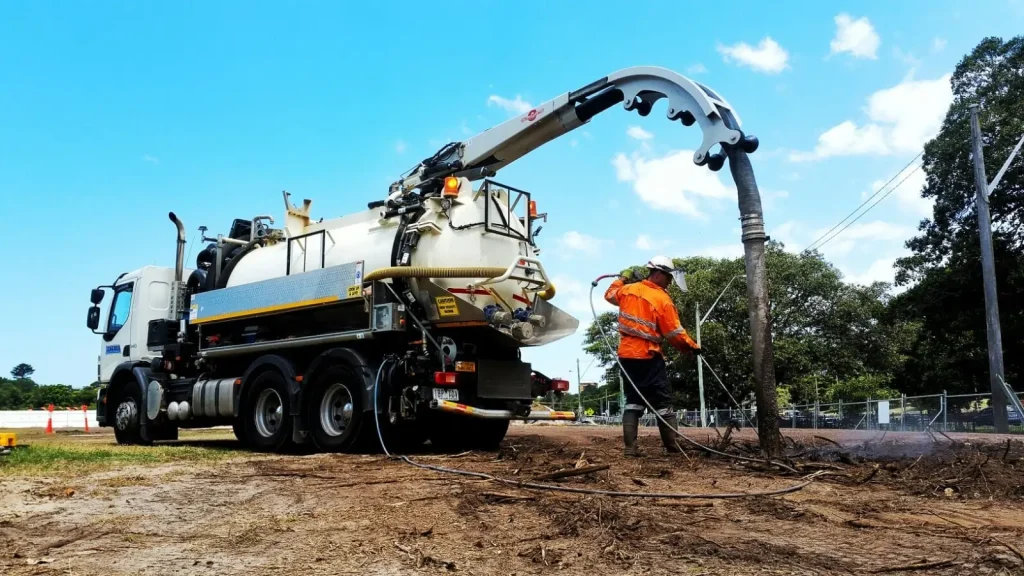
Ever stood in your backyard about to plant a tree and thought, “Hold on – what’s under here?” You’re not alone. Hitting a hidden cable or pipe with a shovel is every DIYer’s nightmare (ask my mate who once accidentally unplugged his whole street’s Wi-Fi!). That’s exactly why non-destructive digging (NDD) has become a game-changer in excavation. Instead of roaring excavators, NDD uses high-pressure water and vacuum trucks to “gently” remove dirt. It’s like using a garden hose and super-powered shop vac to carve out holes – fun to imagine, even more fun to use in real life. In Western Victoria’s farms, suburbs or city works, NDD means you can dig safely without ripping up essential services or tree roots. Let’s dive into how it works, why it matters, and why even homeowners should care. What Is Non-Destructive Digging? In plain terms, non-destructive digging (NDD) is digging that protects everything around it. Think of it as excavation with ninja-like precision. Instead of big bulldozers or backhoes tearing through the ground, NDD uses high-pressure water and a vacuum hose to break up and remove soil. One provider simply says it “combines high-pressure water and a vacuum to break apart earth in a controlled manner” – which means no random chunks flying everywhere. Another way to picture it: imagine carving out a hole using only gentle streams of water and a giant vacuum. The water loosens the dirt, and the vacuum sucks the loose soil up into a big tank. This combo is so precise that it won’t nick buried pipes, cables, or even nearby tree roots. In fact, vacuum excavation (another name for it) is widely viewed as the safest way to expose underground utilities. Sometimes folks call it hydro excavation, vacuum excavation, or simply potholing. No matter the name, the idea is the same: dig around sensitive stuff without touching it. It’s the difference between using a sledgehammer (regular digging) and a surgeon’s scalpel (NDD) in the soil. Alternate names: Hydro excavation, vacuum excavation, suction excavation, or potholing.Why “non-destructive”? Because it avoids damage to existing underground pipes, cables, tree roots and other infrastructure. Who uses it? From builders and councils to even homeowners, anyone who needs to dig near buried utilities or delicate features. How Non-Destructive Digging Works In practice, you’ll often spot a large vacuum truck on site. The truck carries a high-pressure water pump and a powerful suction system. When digging begins, an operator aims a lance of water at the ground to create a narrow trench or hole. The stream is strong enough to break up soil but gentle enough to leave cables and pipes untouched. Then, a huge vacuum hose quickly sucks up the wet slurry, depositing it into the truck’s tank. It sounds like a fancy carnival ride, but it’s very real. One expert describes it as using “high-pressure water and air hoses to remove material… without causing damage to roots or man-made infrastructure”. Often you’ll see crews carefully “potholing” – digging a small pilot hole to check for hidden lines. If they find utilities, they keep using this water-vacuum combo to expose and work around them. Some NDD setups even use dry suction (air only) instead of water. For example, specialty systems like Veolia’s “DRYset” ramp up airflow dramatically to break up soil. Either way, the goal is the same: loosen the soil, then vacuum it up safely. As Veolia puts it, this method “ensures minimal harm to the existing underground infrastructure such as water networks and gas lines”. In short, it’s like having a super-precise Dyson vacuum for digging — no guesswork, just daylighting utilities safely. Why Use Non-Destructive Digging? Non-destructive digging isn’t just clever – it comes with big advantages. Here’s why pros (and smart DIYers) love it: Safety First: The most obvious benefit is protection. With NDD, the chance of snagging a live power cable or burst pipe is almost zero. Traditional digging can be a gamble if utility plans are outdated or missing. A survey found that even experts can’t always predict exact cable locations, so vacuum excavation is a safety net to check before you wreck. In fact, Energy Safe Victoria explicitly advises that if you must dig near cables, you should “visually prove the cable location using non-destructive digging (i.e. hand digging or hydro-vac digging)”. In practice, this means your team or even you can dig with confidence that nothing critical will be yanked out. Friend to Nature: NDD is surprisingly eco-friendly. It disturbs far less ground than a big machine. You don’t jackhammer or shake the earth; you gently wash it away. That means no noisy diesel engines roaring, and minimal dust or mud flying around. Local pets (and neighbours) will thank you for the quiet! Plus, because you’re only removing targeted soil, most of the excavated dirt can be reused for filling later – less waste to move. One blog sums it up: NDD is “safer for operators, quieter for local communities, more cost-effective, and more precise”. In plain English: it keeps workers safe, the street calm, and actually saves money in the long run (by avoiding damage). Precision & Convenience: With a regular dig, you might over-excavate “just in case,” creating bigger holes and extra cleanup. NDD only takes what’s needed. That means smaller trenches, which are faster and cheaper to restore. For example, installers of underground cables or pipes often use vacuum excavation to open just one side of a trench (called “daylighting”) so they know exactly where everything is. Trees, gardens and lawns stay largely intact. Comparison Table Feature Traditional Excavation Non-Destructive Digging (NDD) Tools Used Bulldozers, backhoes, shovels High-pressure water lance, vacuum hose Impact on Utilities High risk of cuts & breaks Targets soil; leaves cables/pipes intact Impact on Environment Disturbs lots of soil, roots Minimal disturbance, preserves trees/landscape Noise & Dust Loud, dusty Quiet operation, mostly water/no dust Precision Lower – big scoops High – only digs where directed Common Use-Cases Bulk excavation (holes/footings) Exposing/working near underground utilities Regulatory Requirement